Radon in UK homes is not something you can smell, see or filter out with a normal air purifier. You only know whether it matters in your property by testing, and the useful test is measured over months, not one panicky afternoon. If your home is in a radon-affected area or has rooms in contact with the ground, a proper test is cheap compared with guessing.
In This Article
- What Radon Is and Why UK Homes Get It
- Which UK Homes Should Take Radon Seriously
- Radon UK Homes Testing: The Proper Method
- Short-Term Monitors vs Laboratory Test Kits
- How to Read Your Result
- What to Do If Your Radon Level Is High
- Mistakes That Make Radon Tests Less Useful
- Frequently Asked Questions
What Radon Is and Why UK Homes Get It
Radon is a naturally occurring radioactive gas that comes from uranium in rocks and soil. It rises from the ground, moves through cracks and gaps, and can build up indoors where ventilation and ground conditions allow it. The annoying bit is that a house can look dry, clean and well kept and still have a radon issue.
This is different from the pollutants covered in our guide to common indoor air pollutants. Radon does not come from candles, cooking, paint, pets or cleaning sprays. It comes from the ground below and around the building, which is why two similar homes on the same road can test differently.
Why it matters
Long-term radon exposure is linked to lung cancer risk, especially for smokers and ex-smokers. That does not mean every UK home is dangerous. It means you should avoid the two bad extremes: ignoring radon completely because you cannot smell it, or buying expensive kit after seeing a scary one-day reading online.
UK Health Security Agency guidance says the UK Action Level is 200 Bq/m3, based on the annual average concentration in a home. UKHSA explains the Action Level and Target Level on its UKradon level guidance, which is the source I would use before any forum post or gadget app.
Why normal air quality fixes are not enough
Opening windows may reduce radon temporarily, and good ventilation helps indoor air generally, but it is not the same as testing or remediation. A HEPA air purifier can help with particles such as dust and pollen; it will not remove radon gas. Activated carbon filters are not a practical fix either. If you are comparing wider air quality problems, our indoor air quality guide is useful, but radon needs its own route.
The practical point is simple: do not spend £150-£500 on purifiers, dehumidifiers or monitors before you know whether radon is the problem. Spend about £52.80 on a validated UKHSA test first.
Which UK Homes Should Take Radon Seriously
Radon risk is not evenly spread across the UK. Parts of Cornwall, Devon, Somerset, Derbyshire, Northamptonshire, Wales, the Peak District and some other areas have higher radon potential because of local geology. That said, postcode risk is not a result. It only tells you whether testing is sensible.
Property clues that raise the priority
Testing is worth taking seriously if you have:
- Rooms partly or fully below ground: basements, lower-ground bedrooms, converted cellars or hillside homes.
- Solid floors or floor cracks: gaps around pipes, service entries and old concrete can all become routes.
- Poor underfloor ventilation: blocked air bricks and sealed floors can reduce dilution.
- Older rural property: not automatically risky, but often harder to predict without a test.
- A radon-affected postcode: especially if neighbours or survey notes have mentioned radon.
If you are buying or selling, radon is also worth checking early. A test result is calmer than a last-minute negotiation after survey wording spooks everyone. Some conveyancers use postcode risk reports, but a measured result is more useful for the actual building.
Homes with children or vulnerable adults
You do not need a different radon test because children live in the house, but you may choose to test sooner. The room choice still matters: put detectors in occupied living and sleeping spaces, not a cupboard no one uses. If the concern is broader bedroom air quality, our guide to improving air quality in a child’s bedroom covers dust, humidity and ventilation; radon still needs a proper detector kit.
Rented homes
Tenants can order a test, but remediation is a landlord/property issue if the result is high. Keep records and share the lab report. For wider rental ventilation and mould problems, our rented-flat air quality guide is the better companion piece.
Radon UK Homes Testing: The Proper Method
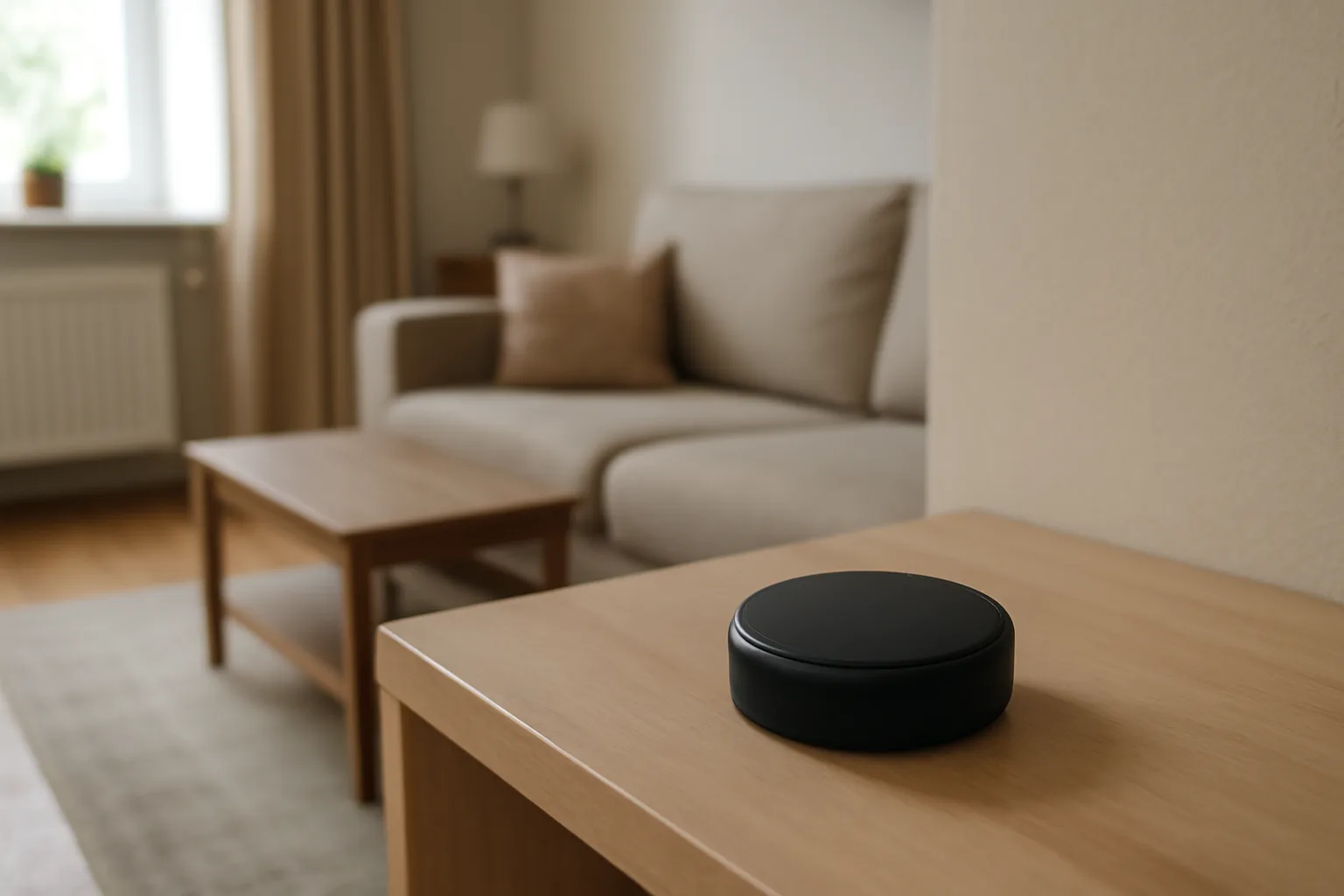
The proper method for radon UK homes testing is a long-term passive detector test analysed by a validated laboratory. UKHSA’s UKradon service sends two detectors: one for a living area and one for an occupied bedroom. You leave them in place for three months, send them back in the prepaid envelope, and receive a result.
UKradon currently lists the cost at £52.80 including VAT for its two-detector home test. Private providers may be a little cheaper or dearer; PropertECO, for example, advertises a three-month radon test kit at about £42 including VAT and delivery. The price difference is not big enough to justify using an unvalidated or unclear test route.
Where to place detectors
Follow the instructions from the testing provider, but the usual approach is:
- Living area: a room used for several hours a day, often the sitting room.
- Bedroom: an occupied bedroom, usually on the lowest regularly used sleeping floor.
- Height: normal breathing height, away from the floor and ceiling.
- Position: away from windows, doors, radiators, direct sun, extractor fans and damp patches.
- Duration: leave in place for the full test period, usually three months.
Do not hide the detector behind books because it looks untidy. Do not move it from room to room. Do not place it in a loft or garage unless the lab has specifically told you to test there. The result should represent where people spend time.
When to test
Radon varies by weather, season, ventilation and pressure differences between the house and ground. That is why a three-month test is more useful than a weekend snapshot. If you can, test during normal living conditions rather than during a renovation when rooms are open, dusty and unused.
This is also why a quick gadget reading should not trigger immediate building work. Use it as a prompt to order a validated test, not as a final answer.
Short-Term Monitors vs Laboratory Test Kits
Consumer radon monitors are useful, but they are easy to misunderstand. An Airthings Corentium Home or Wave Radon can be useful for trend tracking, and typical UK street prices often sit around £120-£200 depending on model and retailer. That is more than a lab test, and it does not replace one when you need a formal result.
When a monitor makes sense
A monitor is useful if you already know your area has radon potential, you have completed a lab test, or you want to track whether remediation is working. It can show day-to-day swings and help you see whether ventilation changes affect levels. I would not buy one before doing the £42-£52.80 passive test unless you enjoy data and understand its limits.
Why lab tests are calmer
A validated detector test smooths out short-term noise. UKHSA says radon measurements are carried out over three months to average out short-term fluctuations in a home, and its measuring radon guidance explains the two-detector approach and current price.
For most households, the best order is:
- Check whether your postcode is in a radon-affected area. If yes, test rather than worry.
- Order a validated three-month detector kit. Use UKradon or another clear laboratory route.
- Place detectors correctly and leave them alone. Bad placement creates bad decisions.
- Read the lab result against UK guidance. Do not overreact to one short-term spike.
- Only then decide on remediation or monitoring. Spend on fixes after evidence, not before.
That sequence is less exciting than buying a smart monitor. It is also cheaper and more defensible.
How to Read Your Result
Radon is reported in becquerels per cubic metre, written as Bq/m3. The higher the number, the more radon is present in the air. What matters is the average exposure in rooms people use, not a single peak on a stormy night.
UK levels in plain English
Use these broad bands as a practical reading aid:
- Below 100 Bq/m3: generally low enough that most households will not need action beyond normal ventilation habits.
- 100-199 Bq/m3: below the Action Level, but worth understanding if you are near the threshold or planning building work.
- 200 Bq/m3 or above: at or above the UK Action Level, so reduction measures should be considered.
- After remediation: retesting matters because the fix needs proof, not just a new fan on the wall.
UKHSA also refers to a Target Level of 100 Bq/m3. In practice, if your result is high, you are trying to reduce it as far as reasonably possible, not merely scrape under a number and forget it forever.
Do not compare rooms too casually
A bedroom result and sitting-room result can differ. A lower-ground room can differ from a first-floor bedroom. Keep the report and room notes together so you know what was measured. If you later change ventilation, seal floors or convert a basement, retesting is sensible.
If damp, mould or condensation is also present, do not assume radon is the cause. Those are separate building-moisture issues. Our guide to reducing damp and mould in UK homes is the better route for that problem, though ventilation improvements may help several issues at once.
What to Do If Your Radon Level Is High
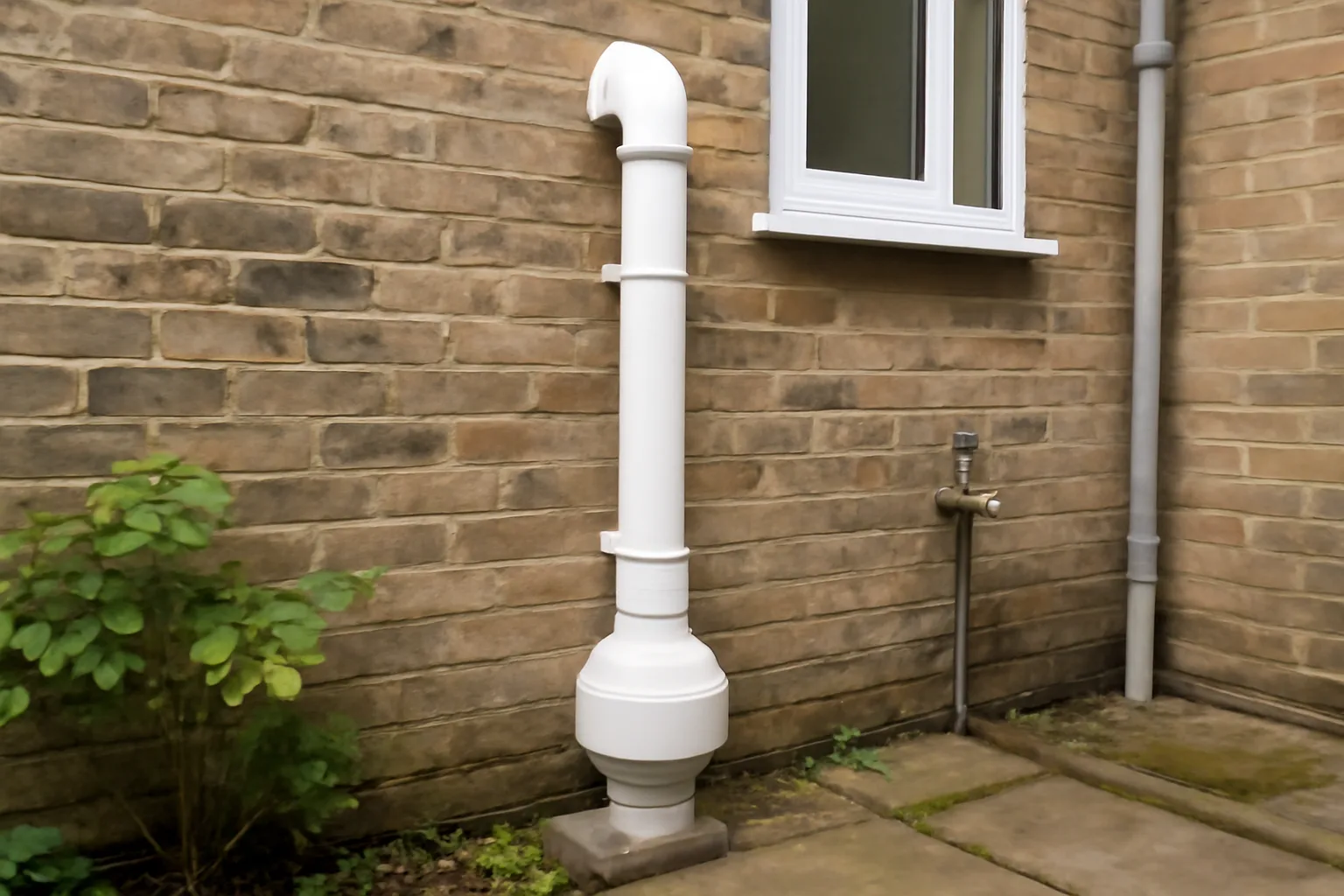
Do not panic and do not buy random gadgets. A high radon result means you need a measured reduction plan. The right fix depends on the property: floor type, subfloor voids, extensions, basements, ventilation paths and how high the result is.
Common remediation options and costs
UKradon lists typical remediation costs on its reduce radon levels guidance. Its figures include active sump systems at about £800, with a normal range up to £2,000, and positive ventilation around £550 with a normal range up to £1,000. It also lists natural underfloor ventilation at about £200-£600 and active underfloor ventilation at about £700-£1,500.
Prices vary by property and installer. A simple fan-assisted sump in an easy-access house may be very different from a complicated basement or solid-floor property with awkward pipe routes. Some specialist firms quote £1,000-£5,000 plus VAT for more involved remediation, so get more than one quote if the work is major.
What not to rely on
Do not rely on:
- Standard air purifiers: HEPA filters do not remove radon gas.
- Dehumidifiers: useful for moisture, not a radon fix.
- One open window: ventilation may reduce levels temporarily but is not proof of control.
- Sealing one visible crack: radon can enter through many routes.
- A contractor’s promise without retesting: the post-work result is the evidence.
Ventilation still matters. Our home ventilation guide covers everyday airing habits, but high radon needs a specific reduction strategy, not just better window discipline.
Retest after work
After remediation, retest. UKradon notes that free re-measurement may sometimes be available after reduction work, depending on the circumstances. Keep the before-and-after reports because they are useful for your own confidence and for future buyers.
Mistakes That Make Radon Tests Less Useful
Most bad radon decisions come from bad testing. The kit is simple; the discipline is the hard part.
Avoid these errors
- Testing for too short a period: a few days cannot represent a year’s average exposure.
- Putting detectors in unused rooms: test where people actually spend time.
- Moving detectors during the test: you lose the room-specific meaning.
- Testing during unusual conditions: major building work, long holidays or open-house renovation can distort the result.
- Buying an air purifier as the first response: it may help other pollutants, but it will not solve radon.
- Skipping retesting after remediation: a fan, vent or sump is only useful if levels come down.
My practical recommendation
If you are in a radon-affected area, order a validated two-detector test and place it properly. If the result is low, keep the report and move on. If it is high, speak to a radon specialist, price the right reduction option for your property, then retest after the work.
That is a more boring answer than buying a smart monitor today, but it is the one I would follow in my own house. Test first, spend second.
Frequently Asked Questions
How much does radon testing cost in the UK? UKradon currently lists a two-detector home test at £52.80 including VAT. Some private three-month test kits are around £42-£60, depending on provider and delivery.
Can an air purifier remove radon? No normal home air purifier should be treated as a radon fix. HEPA filters catch particles, while radon is a gas entering from the ground. Test first and use proper remediation if levels are high.
Where should I put radon detectors? Put them in occupied rooms, usually one living area and one bedroom, away from windows, doors, radiators and direct sunlight. Follow the kit instructions exactly.
How long does a radon test take? The standard UK approach is usually three months because radon levels fluctuate with weather, ventilation and season. Short tests can be useful for screening, but they are less reliable for decisions.
What radon level needs action in the UK? The UK Action Level is 200 Bq/m3 as an annual average. UKHSA also uses a Target Level of 100 Bq/m3 for reducing levels where practical.
Should I test for radon when buying a house? If the property is in a radon-affected area or has basement/lower-ground rooms, testing is sensible. A postcode report is useful, but a measured result tells you more about the actual home.