Building a terrarium is mostly a matching exercise: choose the right glass container, pick plants that like the same moisture level, then water far less than your instincts tell you to. This terrarium beginners guide is aimed at a first build that survives on a UK windowsill, not a perfect display piece for Instagram. Start with a closed tropical terrarium if you want the lowest-maintenance option; choose an open succulent terrarium only if you have a bright spot and can resist overwatering.
In This Article
- Quick Verdict: What Kind of Terrarium Should You Build?
- Terrarium Kit and Material Costs in the UK
- Best Plants for Closed and Open Terrariums
- How to Build a Terrarium Step by Step
- Where to Put It and How to Water It
- Common Beginner Mistakes
- Terrarium Tools and Upgrades Worth Buying
- Frequently Asked Questions
Quick Verdict: What Kind of Terrarium Should You Build?
For a first attempt, I would build a closed terrarium in a 2-5 litre glass jar with fittonia, small ferns and moss. It is more forgiving than an open succulent bowl because the moisture cycle does some of the work for you. The only catch is that closed terrariums punish heavy watering, so the restraint matters.
An open terrarium is better if you want succulents, cacti or air plants. It looks cleaner and drier, but it behaves more like a shallow planter with no drainage hole. That means you need brighter light, sharper compost and more regular judgement.
If you are still getting basic houseplant care under control, read the BreatheCleanUK guide to caring for indoor plants first. A terrarium is easier once you know how leaves, roots, light and water behave in a normal pot.
The simple decision is this:
- Closed jar with lid: best for fittonia, ferns, moss and people who forget houseplants.
- Open glass bowl: best for succulents, haworthia, echeveria and bright shelves.
- Tall bottle terrarium: looks smart, but it is fiddlier to plant and prune. Save it for build two.
- Reptile-style glass tank: useful for a larger plant display, but overkill for a first desk terrarium.
If you already struggle with normal houseplant watering, a closed jar is the safer bet. If your flat is warm, dry and south-facing, an open succulent setup will be happier than tropical plants sealed in hot glass.
Terrarium Kit and Material Costs in the UK
A first terrarium should cost about £25-£55 if you buy sensibly. The cheapest route is a repurposed lidded storage jar, loose materials and two or three small plants. The neatest route is a ready-made DIY kit, which costs more but removes the awkward “how much charcoal do I need?” bit.
Here is a realistic UK shopping list:
- Glass container: £8-£20 for a large storage jar from IKEA, Dunelm, John Lewis or Amazon UK; £23 for a small 12cm planted glass terrarium at John Lewis; about £35 for a 17cm version.
- Ready-made DIY kit: about £20 without plants on Amazon UK, or roughly £30-£45 with plants, moss and tools from Etsy-style UK sellers.
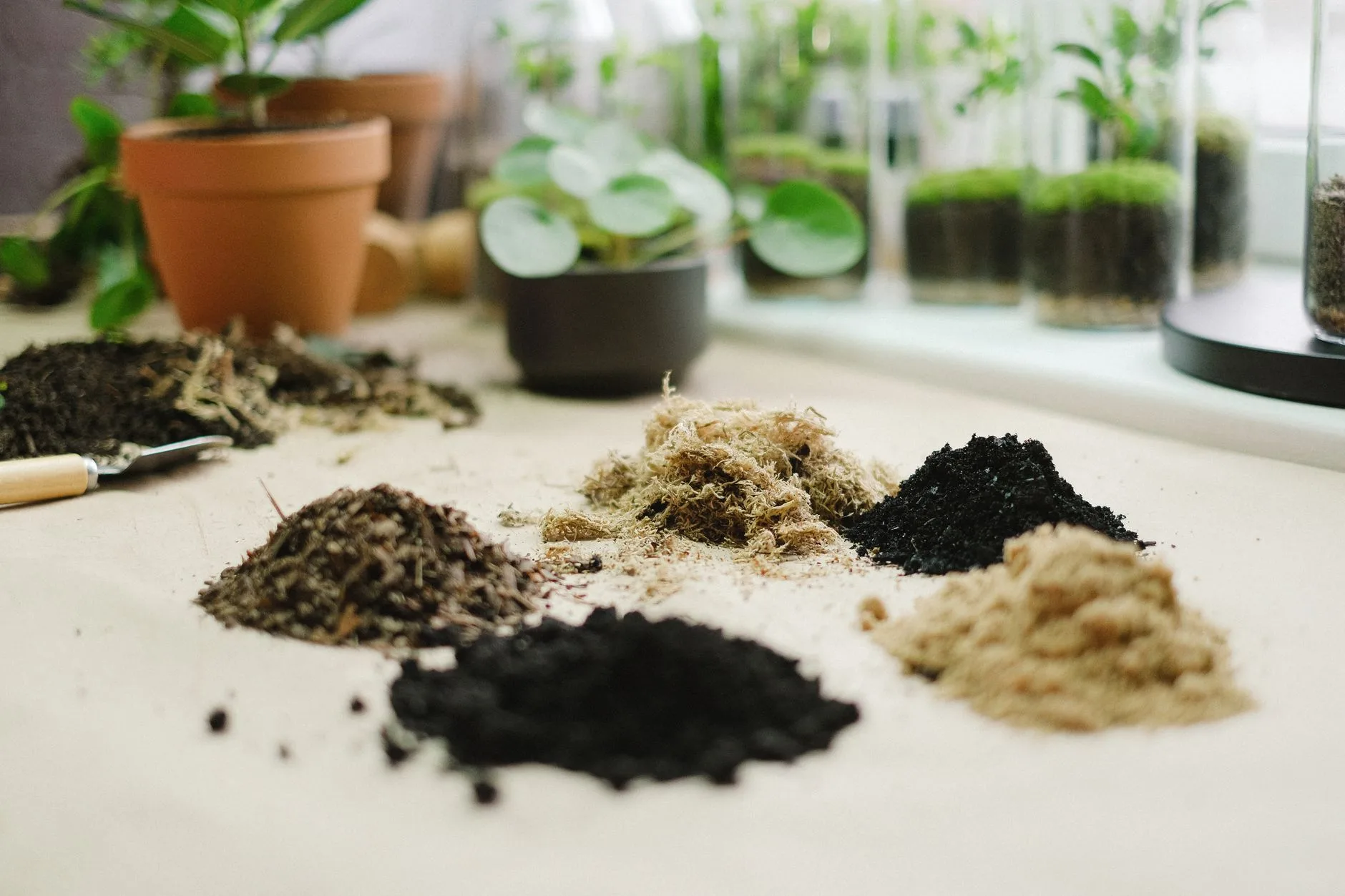
- Drainage layer: £4-£8 for aquarium gravel, LECA clay pebbles or decorative stones from B&Q, Pets at Home or Amazon UK.
- Activated horticultural charcoal: £5-£10 for a small bag. Useful in closed jars, but not magic; good airflow and careful watering still matter more.
- Peat-free houseplant compost: £4-£8 for a small bag from B&Q, Dobbies, Homebase or a local garden centre.
- Sphagnum moss or sheet moss: £4-£9, depending on pack size. Buy preserved moss for decoration only; live moss is better if you want growth.
- Small plants: £3-£7 each for baby fittonia, pilea, peperomia, fern plugs or mini succulents.
- Long tweezers and a spray bottle: £6-£12 together on Amazon UK, or skip the tweezers if your jar opening is wide enough for your hand.
My budget pick is a 2-litre lidded glass storage jar, one fittonia, one small fern, a small bag of peat-free houseplant compost, aquarium gravel and a little moss. That usually lands around £28-£35 if you already own a spoon and spray bottle.
I would avoid very cheap sealed kits with mystery seeds. Terrariums are much easier with living, already-rooted plants. Seeds in a sealed jar can work, but they often turn into a mould experiment before they become a display.
If you would rather keep plants in normal pots, the buying guide to indoor plant pots is the better starting point. A no-drainage glass jar is a different little ecosystem.
Best Plants for Closed and Open Terrariums
The plant choice is where most beginner terrariums go wrong. The jar is not the problem. Mixing a cactus with a fern is the problem.
This terrarium beginners guide deliberately keeps the plant list tight. For broader shelf and corner choices, use the separate guide to low-light houseplants, then come back and pick only the small, slow growers.
Best plants for closed terrariums
Closed terrariums suit small plants that enjoy warm, humid air. The RHS bottle garden and terrarium advice notes that closed containers need only light watering once established, which is exactly why humidity-loving plants work there.
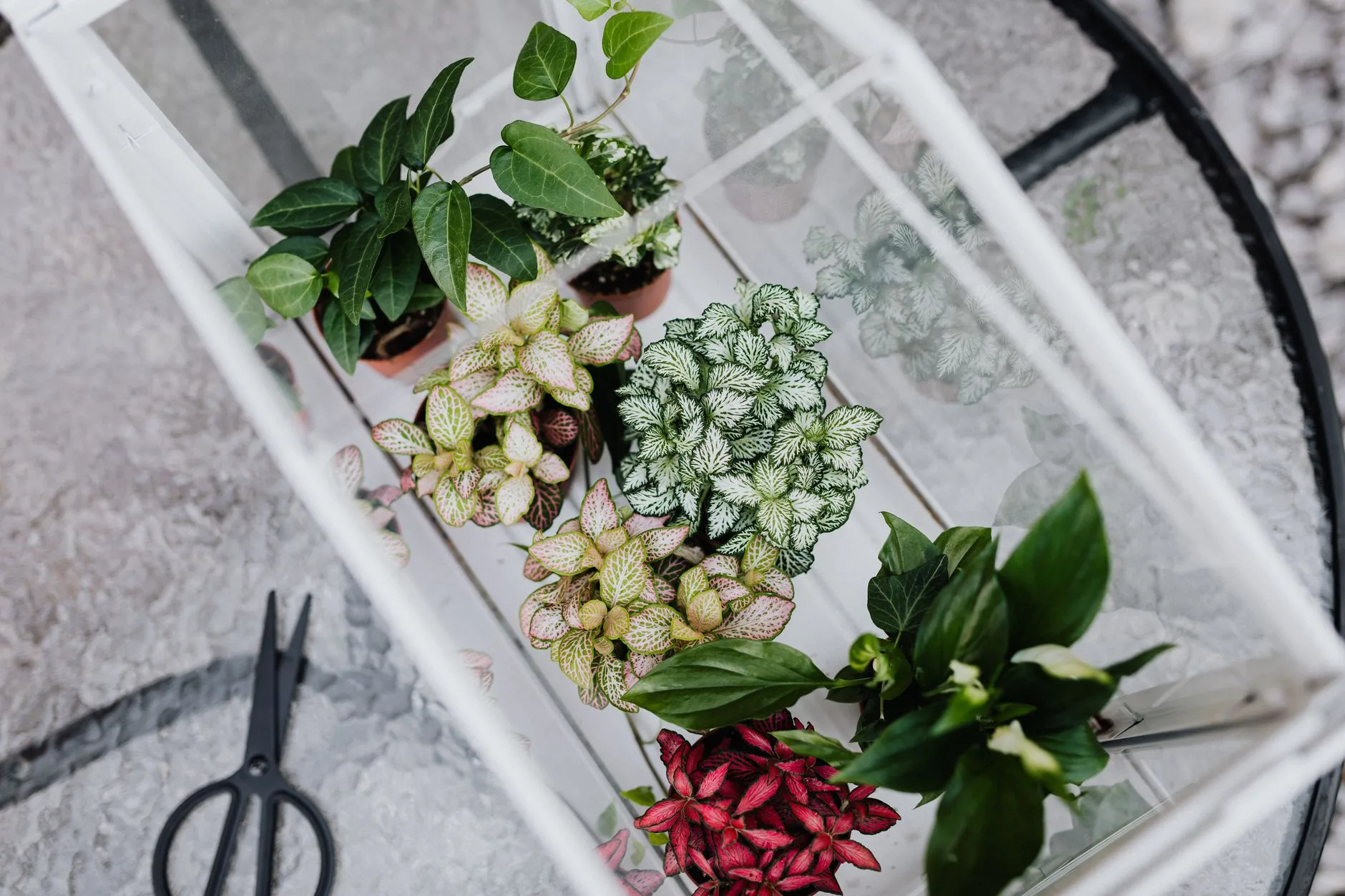
Good closed-terrarium choices include:
- Fittonia: about £3-£6 for a small pot. It gives colour, stays compact and tells you quickly if it is too dry.
- Button fern or lemon button fern: around £4-£7. Good texture without getting too tall.
- Pilea glauca: about £4-£6. Trailing, small-leaved and useful for softening hard jar edges.
- Peperomia prostrata: usually £5-£9. Pretty, but a little pricier, so use it once you know your jar stays balanced.
- Live cushion moss: around £5-£10. Great for covering bare compost, but do not bury plant crowns under it.
Fittonia is my favourite first plant here. The RHS fittonia growing guide says fittonias need moist air and often suit enclosed terrariums, which matches real-world experience. They sulk if the jar dries out, but they recover well if caught early.
If you want the why behind that, BreatheCleanUK has a fuller explainer on humidity for houseplants. A closed terrarium is basically a neat way to create that humid pocket without running a humidifier.
Best plants for open terrariums
Open terrariums suit plants that prefer drier air and brighter light. Think of them as decorative bowls with careful watering, not self-sustaining mini jungles.
Good open-terrarium choices include:
- Haworthia: £3-£7. Tougher than many rosette succulents and less prone to stretching indoors.
- Echeveria: £3-£6. Looks good, but needs plenty of light or it becomes leggy.
- String of pearls cuttings: £4-£8. Nice trailing effect, but easy to rot if the bowl stays wet.
- Air plants: £3-£10 each. Useful for dry open glass displays because they do not need compost.
- Small cacti: £3-£8. Fine in open glass, poor in a sealed jar.
Do not put succulents in a closed terrarium. It is tempting because they look tidy in glass, but sealed humidity and damp compost are the wrong conditions. No judgement if you have already done it; most people have killed at least one succulent this way.
How to Build a Terrarium Step by Step
Clean the glass first. A terrarium magnifies smears, old food smells and dusty corners, and once the layers are in, cleaning the inside is annoying. Use warm soapy water, rinse well and let the jar dry.
Then build it in this order:
- Add drainage: Use 2-4cm of aquarium gravel, LECA or small stones. Terrariums have no drainage hole, so this layer gives excess water somewhere to sit away from roots.
- Add charcoal: Sprinkle a thin layer of activated horticultural charcoal over the drainage. You only need enough to dust the surface, not a thick black band.
- Add a barrier layer: Use a little sphagnum moss or fine mesh to stop compost washing into the gravel. Keep it thin.
- Add compost: Use 4-7cm of peat-free houseplant compost for tropical closed jars, or gritty cactus compost for open succulent bowls.
- Shape the surface: Slope the compost slightly higher at the back. It looks better than a flat mud line and gives smaller plants more depth.
- Plant the largest plant first: Make a small hole with a spoon, place the roots in, then firm compost gently around them.
- Add smaller plants and moss: Leave space between crowns. A terrarium should look slightly sparse on day one because plants fill out.
- Clean the glass: Use a dry paintbrush, kitchen roll wrapped round a spoon handle, or long tweezers to remove compost from leaves and glass.
- Water lightly: Mist the surface or add water by teaspoon. For a 2-litre closed jar, start with 2-4 teaspoons, then watch condensation for a few days.
The biggest practical tip is to plant with dry-ish materials, then add water slowly at the end. Wet compost sticks to the glass, clumps around roots and makes the whole job feel more chaotic than it needs to be.
For a closed jar, put the lid on after planting and watch it for a week. Light condensation in the morning or evening is fine. Heavy fog all day means too much water; open the lid for a few hours and wipe the glass.
Where to Put It and How to Water It
Terrariums like bright indirect light. A north- or east-facing windowsill often works well in the UK. A west-facing shelf can work if the glass is not getting hot. A south-facing sill is risky because direct sun through glass can cook the plants.
Keep closed terrariums away from radiators, log burners and conservatory windows. The glass traps warmth quickly. If the jar feels warm to the touch in sunlight, move it.
Watering depends on the type:
- Closed tropical terrarium: water lightly at setup, then leave it alone unless condensation disappears for several days or the compost looks dry.
- Open tropical bowl: mist or water lightly every 1-2 weeks, depending on room warmth.
- Open succulent terrarium: water every 2-4 weeks in summer and less in winter, only when the compost has dried.
- Air plant display: remove the plants, soak or rinse them as needed, let them dry upside down, then put them back.
Based on UK homes I have seen, the problem is nearly always too much water, not too little. Central heating makes rooms dry, but a sealed jar holds moisture far better than a normal pot. If you can see water pooled in the gravel layer, stop watering and air it out.
The watering instinct is the same one covered in the guide to watering houseplants correctly: check the growing medium before adding more. Terrariums just make the margin for error smaller.
Common Beginner Mistakes
Terrariums are forgiving once balanced, but the first month tells you whether the setup makes sense. Most failures are caused by one of these.
Using the wrong plants together
Closed-jar plants and open-bowl plants have different needs. Fittonia, ferns and moss want humidity. Succulents and cacti want airflow and drier compost. Mixing them gives you one happy plant and two doomed ones.
Overwatering on day one
If the compost is already damp from the bag, you may only need a few teaspoons of water. A spray bottle feels gentle, but ten minutes of enthusiastic misting can still soak the whole jar.
Filling the container too tightly
Baby plants grow. Moss spreads. Leaves press against wet glass and rot. Leave gaps, even if the terrarium looks a bit underfilled at first.
Putting it in direct sun
Glass plus sun is the fastest way to turn a terrarium into a greenhouse with no escape route. Bright shade beats direct sun.
Ignoring mould
A small patch of white mould in week one is not a disaster. Remove the affected leaf or moss, open the lid for a few hours and improve airflow. If mould keeps returning, the jar is too wet or too crowded.
Using garden soil
Garden soil is too heavy, may carry pests and compacts badly in glass. Use peat-free houseplant compost for closed tropical jars or gritty cactus compost for open succulent displays.
Terrarium Tools and Upgrades Worth Buying
You do not need much specialist kit. I would spend money on better plants before buying fancy tools. A good terrarium beginners guide should stop you buying gadgets, not invent new ones.
The useful upgrades are:
- Long tweezers: £4-£8 on Amazon UK. Worth it for narrow-neck jars because fingers squash leaves.
- Small spray bottle: £3-£6 from Wilko-style discount shops, Amazon UK or garden centres. Pick one with a fine mist.
- Soft paintbrush: £2-£4. Handy for brushing compost off leaves and glass.
- LED grow light: £15-£35 for a small clip-on unit. Useful for dark flats, but avoid running it so close that the jar heats up.
- Digital hygrometer: £6-£12. Not required, but interesting if you like data and want to compare an open bowl with a closed jar.
The upgrade I would skip is a tiny decorative rake set. It looks cute, then sits in a drawer. A teaspoon, chopstick and paintbrush do nearly everything.
If you are buying a complete kit, check whether plants are included. A £19.99 substrate kit without plants can still be decent value, but a beginner may assume it is the whole project. A kit with a glass jar, soil, stones, moss, charcoal, tools and three plants at about £35-£45 is usually the easier gift option.
Frequently Asked Questions
Are terrariums good for beginners? Yes, closed terrariums are good for beginners if you choose humidity-loving plants and water lightly. Open succulent terrariums are also simple, but they need brighter light and sharper drainage.
How much does it cost to build a terrarium in the UK? A small DIY terrarium usually costs £25-£55, depending on the glass container and plants. The cheapest sensible build uses a storage jar, loose materials and two or three small plants.
Do terrariums need charcoal? Charcoal helps in closed terrariums by keeping the lower layer fresher, but it does not fix overwatering. Use a thin layer, then focus on drainage, plant choice and restraint with water.
Can I put succulents in a closed terrarium? No, succulents are a poor choice for closed terrariums because the humidity stays too high. Use an open glass bowl with gritty compost instead.
How often should I water a closed terrarium? After setup, a closed terrarium may only need watering a few times a year. If there is constant heavy fog or water pooling in the base, open it to dry rather than adding more water.
Where should I put a terrarium? Put it in bright indirect light, away from radiators and direct sun. An east- or north-facing UK windowsill often works better than a hot south-facing one.