Good home ventilation is essential for every UK household. Without enough fresh air, condensation, damp, and even health issues can creep in. This home ventilation guide will show you how to air out your home properly, so you can enjoy cleaner, fresher air all year round.
In This Article
- Why Ventilation Matters in UK Homes
- Home Ventilation Guide: The Simple Daily Routine
- How to Air Out Different Rooms
- Balancing Fresh Air with Heat Loss
- Dealing with Condensation, Damp and Mould
- Ventilation in Rented Flats and Shared Buildings
- Using Extractor Fans, Trickle Vents and Purifiers
- Seasonal Ventilation: Winter, Summer and Pollen Days
- Mistakes That Make Indoor Air Worse
- Frequently Asked Questions
Why Ventilation Matters in UK Homes
Many UK homes, especially those built before the 1990s, are prone to poor ventilation. Double glazing, well-sealed doors, and insulation are great for keeping heat in but they can also trap moisture, odours, and pollutants indoors. Everyday activities like cooking, showering, and even breathing release moisture into the air. Without proper airflow, this moisture can settle on walls and windows, eventually leading to condensation and even mould growth.
Indoor air quality is more important than many realise. According to the NHS asthma guidance, poor ventilation can aggravate respiratory conditions such as asthma and allergies. Good ventilation helps dilute and remove airborne pollutants, including dust mites, volatile organic compounds (VOCs), and even viruses. It also helps control humidity, reducing the risk of condensation and the associated issues of damp and mould.
The UK’s climate further complicates matters. With long, damp winters and unpredictable summers, knowing how to manage air flow and moisture can make all the difference. Failing to ventilate properly can result in an unhealthy indoor environment, damage to your property, and even disputes with landlords or neighbours in shared buildings.
Home Ventilation Guide: The Simple Daily Routine
A regular routine is the foundation of good home ventilation. Even if you have high-tech ventilation systems, the basics still matter. Here’s how to set up a daily routine that keeps your indoor air fresh year-round.
Start with Morning Airing
Open windows in main living spaces for 10-20 minutes first thing in the morning. This allows overnight pollutants, stale air, and excess moisture to escape. Cross-ventilation—opening windows on opposite sides of your home—creates a gentle breeze that moves air through the entire property. If it’s cold, just a short burst makes a difference.
Manage Moisture-Heavy Activities
Bathroom and kitchen activities are the main sources of indoor moisture. After cooking, showering, or drying clothes indoors, open a window or use an extractor fan for at least 15 minutes. Always keep bathroom doors closed during and after showers to prevent steam spreading, but open the window a crack or switch on the fan to vent the humidity outside.
Keep Vents Open
Many windows and modern doors include trickle vents. These small slots allow a small, constant flow of air. Resist the temptation to close them, even in winter. They make a noticeable difference to background air quality and won’t cause major heat loss.
Avoid Overcrowding Rooms
Crowded rooms quickly become stuffy. If you have a gathering, open a window or door for a few minutes before and after people arrive. This helps dilute carbon dioxide and other pollutants, making the space feel fresher for everyone.
Check and Maintain Extractor Fans
Extractor fans in kitchens and bathrooms need regular cleaning to work efficiently. Dust and grease can clog filters, reducing airflow. Set a reminder to clean extractor fans every couple of months.
For more tips on monitoring your indoor environment, see How to Test Indoor Air Quality at Home.
How to Air Out Different Rooms
Not all rooms require the same approach. Each space in your home has unique ventilation needs, and knowing how to treat them can prevent problems before they start.
Bedrooms
We spend up to a third of our lives in the bedroom, breathing out moisture and CO₂ as we sleep. Try leaving a window slightly open overnight—many UK windows have a lockable vent setting. If that’s not possible or safe, air out the room for 10-15 minutes in the morning. Keep bedroom doors slightly ajar to encourage airflow.
Kitchens
Kitchens generate a lot of moisture and odours. Always use an extractor fan or cooker hood when preparing food. If you don’t have one, open a window a crack while cooking and for at least 15 minutes afterward. Avoid drying clothes in the kitchen, as this adds even more moisture.
Bathrooms
Bathrooms are the top spot for mould growth. Run the extractor fan during and after showers or baths. If there’s a window, open it for a short period after use. Wipe down wet surfaces to speed up drying. Consider a dehumidifier if the space is always damp.
Living Rooms and Home Offices
These areas can get stuffy, especially with more people working from home. Open windows for short periods during the day, particularly if you use candles, incense, or cleaning sprays. Monitor any condensation on windows or walls as a sign that more ventilation is needed.
Utility and Laundry Rooms
Tumble dryers and indoor drying racks release a lot of moisture. If possible, vent tumble dryers outside. When drying clothes indoors, keep a window open or use a dehumidifier to prevent moisture build-up.
For more targeted advice, check out How to Improve Indoor Air Quality: The Complete UK Guide.
Balancing Fresh Air with Heat Loss
UK winters can make the idea of opening windows less appealing. But it’s a myth that a few minutes of ventilation wastes lots of heat. The air in your home changes temperature quickly, but walls and furniture retain heat. Briefly opening windows replaces stale air without cooling the structure of your home.
How to Minimise Heat Loss
- Short bursts: Open windows wide for 5-10 minutes rather than leaving them ajar for hours. This swaps air quickly with minimal temperature drop.
- Targeted airing: Ventilate one room at a time while keeping other doors closed, so you only lose heat from that space.
- Use trickle vents: They maintain background air flow without noticeable draughts or heat loss.
Don’t Ignore Ventilation in Winter
Skipping ventilation in winter causes moisture to build up. Over time, this creates condensation, damp patches, and mould. It can also make your home feel colder, as humid air feels clammy and unpleasant. Keep up your daily routine, even during cold snaps.

Dealing with Condensation, Damp and Mould
Condensation is the most obvious sign of too much moisture and too little ventilation. If you regularly see water droplets on windows, mirrors, or walls, it’s time to act.
Identifying Problem Areas
Check behind furniture, inside wardrobes, and around window frames for signs of damp or mould. Look for black or green patches, peeling paint, or a musty smell. These are all signals that ventilation and moisture control need improvement.
Practical Steps to Reduce Moisture
- Dry clothes outdoors if possible. If not, use a dehumidifier or open a window while drying indoors.
- Wipe down condensation from windows and sills each morning.
- Use lids on saucepans and run extractor fans during cooking.
- Keep furniture slightly away from external walls to allow air to circulate.
When to Seek Help
Persistent damp or mould issues may point to structural problems like leaks or bridging damp. If you rent, your landlord has legal responsibilities to deal with these issues. See the GOV.UK damp and mould guidance for more details on your rights and responsibilities.
For more on dealing with damp and air quality in rented properties, see How to Improve Air Quality in a Rented Flat.
Ventilation in Rented Flats and Shared Buildings
Living in a flat or shared house can make ventilation more challenging. Noise, privacy, and fire rules often mean fewer options for opening windows or fitting vents.
What Tenants Can Do
- Use extractor fans during and after cooking or showering, even if it means asking flatmates to keep doors closed.
- Open windows for short periods when possible, especially in moisture-prone rooms.
- Use portable dehumidifiers in rooms that always feel damp.
- Don’t block air bricks or trickle vents, even if you feel a draught.
Talking to Your Landlord or Building Manager
If condensation or mould persists despite your efforts, report it promptly. Landlords are required to address issues that threaten health or safety. Provide written records and, if possible, photos. Refer to the GOV.UK damp and mould guidance for your rights.
For more tenant-specific advice, visit How to Improve Air Quality in a Rented Flat.
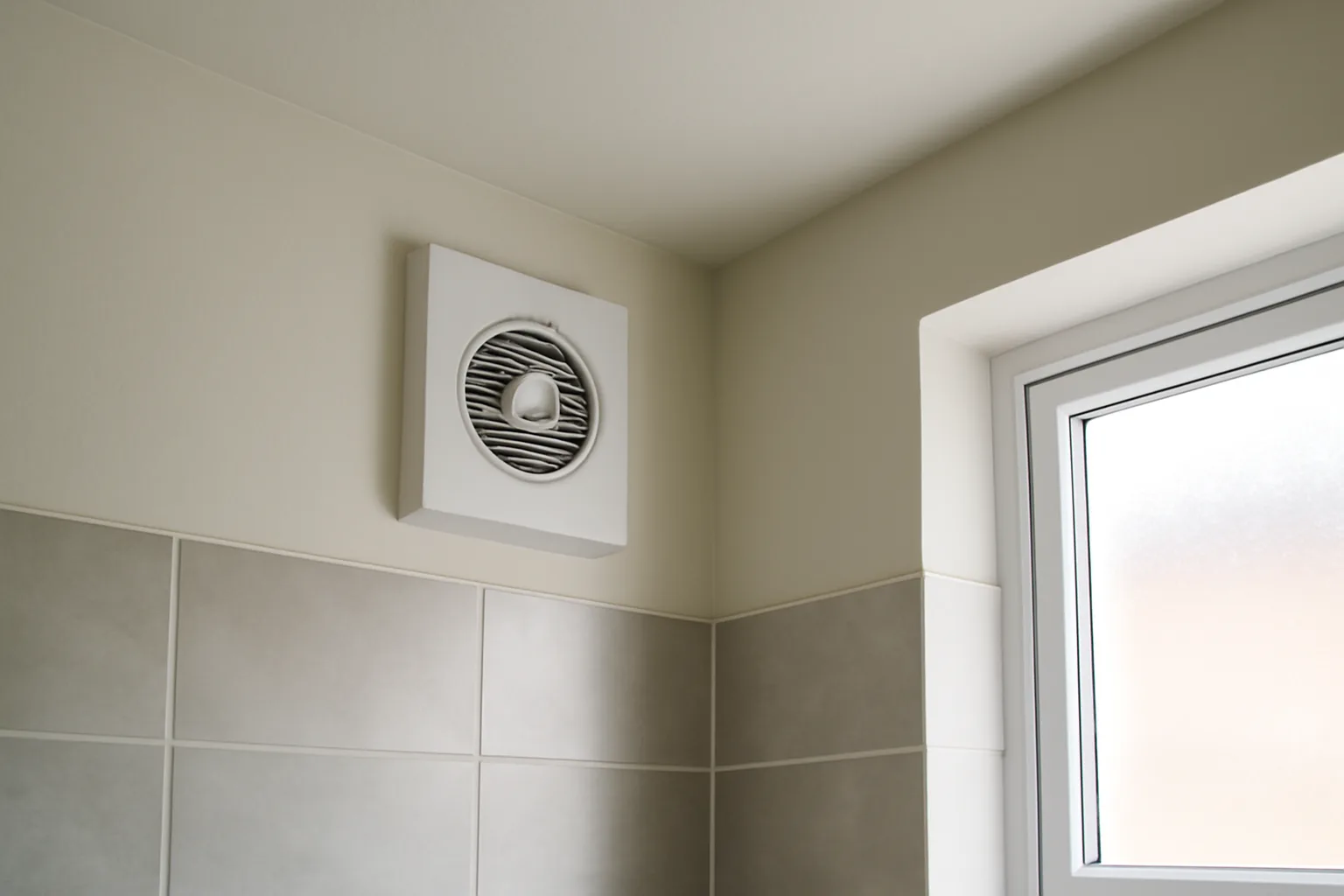
Using Extractor Fans, Trickle Vents and Purifiers
Mechanical ventilation systems can make a big difference, especially in kitchens and bathrooms. Understanding how and when to use these tools is key to keeping your air fresh.
Extractor Fans
Extractor fans are designed to remove moist or stale air quickly. Use them during and after activities that create moisture, such as cooking or showering. Many fans have a timer or humidity sensor—make sure these features are set correctly. Clean the fan covers and filters every couple of months to keep them efficient.
Trickle Vents
Trickle vents are small, adjustable openings in window frames. They provide a steady flow of fresh air without creating noticeable draughts. Always leave them open, even in winter, to maintain background ventilation. If you live in a noisy area, trickle vents are a good compromise between air flow and sound insulation.
Air Purifiers
Air purifiers can help reduce dust, pollen, and pet dander. However, they don’t remove moisture or replace the need for fresh air. Use them alongside, not instead of, proper ventilation. Pay special attention to filter replacement schedules for best results.
Dehumidifiers
While not a substitute for ventilation, dehumidifiers can help in small, damp spaces. Use them in rooms where window opening isn’t practical or during wet spells when drying clothes indoors.
For more in-depth advice on air cleaning devices, see How to Improve Indoor Air Quality: The Complete UK Guide.
Seasonal Ventilation: Winter, Summer and Pollen Days
Your ventilation routine should change with the seasons. UK weather is famously unpredictable, but a few tweaks will help you keep air quality up without wasting energy or letting in unwanted outdoor pollutants.
Winter
Keep up with short, regular air changes. Use trickle vents and extractor fans to maintain background air flow. Limit window opening to the warmest part of the day if possible, and use dehumidifiers if condensation becomes a problem.
Summer
Take advantage of longer, warmer days to air out your home fully. Open windows early in the morning and late in the evening to let in cool, fresh air. If pollen is a concern, time ventilation for after rain showers or when pollen counts are lower.
High Pollen Days
During the peak pollen season (usually late spring and early summer), check local pollen forecasts. Ventilate early in the morning or late at night when pollen counts are lowest. Keep bedroom windows closed during the day if you suffer from hay fever. Air purifiers with HEPA filters can help reduce indoor pollen levels.
Heavy Rain or Storms
Avoid opening windows during heavy rain or storms to prevent water damage. Use extractor fans or trickle vents instead to keep air moving.
Mistakes That Make Indoor Air Worse
Some common habits can actually worsen indoor air quality, despite best intentions. Here are mistakes to watch out for:
Blocking Vents or Air Bricks
Covering or blocking vents, even to stop draughts, restricts air flow and increases the risk of condensation and mould. If you feel a strong draught, check for damaged seals elsewhere rather than closing vital vents.
Overusing Plug-in Air Fresheners
Many air fresheners release VOCs and mask underlying problems rather than solving them. If you notice persistent smells, focus on ventilation and cleaning instead.
Drying Clothes Indoors Without Ventilation
This is a major source of moisture. If you have to dry clothes inside, open a window or use a dehumidifier to keep humidity under control.
Ignoring Extractor Fans
Extractor fans only help if they’re used consistently and kept clean. Make it a habit to run them during and after cooking or showering.
Not Monitoring Indoor Air Quality
It’s easy to overlook indoor air quality day to day. Simple monitors can alert you to high humidity, CO₂, or other problems. For tips on choosing and using air quality monitors, see How to Test Indoor Air Quality at Home.
Frequently Asked Questions
1. How often should I air out my home in the UK?
Open windows for 10-20 minutes each morning and after moisture-heavy activities. Maintain background ventilation with trickle vents or extractor fans daily.
2. What’s the best way to ventilate a flat with limited windows?
Use extractor fans, trickle vents, and dehumidifiers. Open windows when safe and practical, focusing on rooms where moisture builds up. Mechanical fans can help in windowless rooms.
3. Will ventilating my home increase my heating bills?
Brief, regular airing doesn’t noticeably increase heating costs. Short bursts refresh air without cooling walls and furniture. Background ventilation from trickle vents uses minimal energy.
4. What should I do if I find mould despite ventilating?
Clean small patches with mild detergent. Persistent or large areas may indicate structural issues—report these to your landlord if renting. See GOV.UK damp and mould guidance for more advice.
5. Are air purifiers a substitute for ventilation?
No. Air purifiers remove particles but not moisture or CO₂. Use them alongside proper ventilation, not instead of it.
6. Can poor ventilation make asthma worse?
According to the NHS asthma guidance, poor indoor air quality can aggravate asthma symptoms. Good ventilation may help reduce triggers, but always follow your doctor’s advice.