You’ve moved into a rented flat in London, the windows are single-glazed, the bathroom has no extractor fan, and there’s a suspicious dark patch growing behind the bedroom curtains. Your landlord’s response to your mould concerns was “just open a window.” You’re paying £1,400 a month for the privilege of breathing in damp air and you can’t exactly rip out the ventilation system. Welcome to renting in the UK, where improving your air quality means working within someone else’s walls.
In This Article
- Why Rented Flats Have Worse Air Quality
- Ventilation: The Single Biggest Factor
- Controlling Moisture and Preventing Mould
- Air Purifiers for Renters
- Reducing Indoor Pollutants
- Houseplants for Air Quality
- Dealing with Your Landlord
- Room-by-Room Improvements
- What You Can and Can’t Change as a Renter
- A Renter’s Air Quality Checklist
- Frequently Asked Questions
Why Rented Flats Have Worse Air Quality
It’s not your imagination — rented properties in the UK tend to have worse indoor air quality than owner-occupied homes. There are structural reasons for this.
Older Buildings, Poorer Ventilation
A huge proportion of the UK rental stock dates from the Victorian and Edwardian era, or from 1960s-70s concrete builds. These properties were either built with natural ventilation that’s since been sealed up (draught-proofed without adding mechanical ventilation) or built before modern building regulations required adequate airflow.
The result is either too draughty (cold, expensive to heat, dust and pollution blowing in) or too sealed (moisture trapped inside, condensation on windows, mould behind furniture). Neither is good for breathing.
Limited Control Over the Property
As a renter, you can’t install a new bathroom extractor fan, replace single glazing with double glazing, or fit a whole-house ventilation system. You’re working with what’s there. But that doesn’t mean you’re powerless — there’s a lot you can do with portable, non-permanent solutions that you take with you when you move.
The Damp Problem
According to the English Housing Survey, privately rented homes are more likely to have damp problems than any other tenure type. Damp leads to mould, and mould spores are a significant indoor air quality hazard — they trigger asthma, allergies, and respiratory infections.
Ventilation: The Single Biggest Factor
Before buying gadgets, fix the ventilation. It sounds obvious but most indoor air quality problems in UK flats come down to insufficient air exchange — stale, moisture-laden air sitting inside with nowhere to go.
Cross-Ventilation
The most effective free method. Open windows on opposite sides of your flat at the same time to create a through-draught. Even 10 minutes of cross-ventilation replaces most of the air in a small flat.
Trickle Vents
Check your windows — many modern UPVC windows have trickle vents at the top. These small adjustable slots allow a constant trickle of fresh air without opening the window. I’ve lived in flats where the previous tenant had sealed them shut with tape. If yours are there, open them. They exist for this exact reason.
The Morning Routine
After sleeping, your bedroom air contains elevated CO2 and moisture from breathing. A simple routine:
- Open the bedroom window for 10-15 minutes when you wake up
- Open the bathroom window (or run the extractor if there is one) after showering — leave it for at least 20 minutes
- Open the kitchen window while cooking and for 10 minutes after
- Close windows before leaving for work — don’t leave ground-floor windows open in an empty flat
This simple pattern prevents the three biggest sources of indoor moisture (sleeping, showering, cooking) from building up.
When You Can’t Open Windows
In some situations — street noise, pollution, ground floor security, extreme cold — opening windows isn’t practical. In that case:
- Trickle vents (if available) provide some background ventilation without opening the window fully
- A portable air purifier cleans the air you’re recirculating (more on this below)
- Extractor fans — if your bathroom or kitchen has one, use it. These are your primary mechanical ventilation
- A dehumidifier removes excess moisture from the air, reducing condensation and mould risk even without ventilation
Controlling Moisture and Preventing Mould
Moisture is the root cause of most indoor air quality problems in UK flats. Control the moisture and you control the mould, condensation, musty smells, and dust mite populations that thrive in damp conditions.
Where Moisture Comes From
A typical household produces 10-15 litres of moisture per day just from normal living:
- Breathing and sleeping — each person releases about 1 litre overnight
- Cooking — a pan of boiling pasta releases 1.5 litres in 20 minutes
- Showering — about 1.5 litres per shower
- Drying clothes indoors — a single load of washing releases 2-3 litres. This is the biggest single source for many flat-dwellers who don’t have outdoor drying space
Drying Clothes Indoors
This is the number one air quality issue I see in rented flats. Drying a load of washing on a clothes horse releases 2-3 litres of water into your flat. In a small one-bed with sealed windows, that’s enough to cause visible condensation on every surface.
Solutions:
- Use a dehumidifier while drying — place it next to the clothes horse and close the door. A decent dehumidifier extracts 10-20 litres per day and actually speeds up drying time
- Dry clothes in the room with the best ventilation — not the bedroom, not the hallway. Use a room where you can crack a window
- Consider a tumble dryer if your flat allows one — a condenser dryer doesn’t need external venting
- Launderettes — using one for large loads is cheaper than the mould damage caused by indoor drying
For help choosing the right dehumidifier size, our guide to dehumidifiers for bathrooms covers compact options that work well in small flats.
Mould Prevention
Mould needs three things: moisture, warmth, and a surface to grow on. Remove any one and it can’t establish:
- Keep relative humidity below 60% — use a hygrometer (about £8-12 from Amazon UK) to monitor. Below 50% is ideal. Our guide to measuring humidity explains how to do this properly
- Don’t push furniture flat against external walls — leave a 5-10cm gap for air to circulate behind wardrobes, beds, and sofas on external walls. Mould loves the still, damp air trapped behind furniture
- Wipe condensation off windows every morning — a window vac (about £30-50 from Currys or Argos) makes this quick and less tedious
- Heat your flat consistently — keeping a low background temperature (15-16°C) when you’re out is better than letting the flat go cold and then blasting the heating. Cold walls cause condensation when warm, moist air hits them
Dealing with Existing Mould
If mould is already present:
- Small patches (less than 1m²) — clean with a mould spray (HG Mould Spray from Amazon UK, about £8) or a solution of white vinegar and water. Wear a mask while cleaning, as disturbed mould releases extra spores
- Large patches or recurrent mould — this is your landlord’s responsibility. Document it with photos, report it in writing, and keep copies. Under the Homes (Fitness for Human Habitation) Act 2018, your landlord has a legal obligation to ensure the property is fit to live in, which includes being free from serious damp and mould
Air Purifiers for Renters
An air purifier is the single most effective portable tool for improving air quality in a rented flat. It filters out dust, pollen, mould spores, pet dander, and fine particulate matter — all the things that make indoor air unhealthy.
What to Look For
- True HEPA filter (H13 or H14 grade) — this captures 99.97% of particles down to 0.3 microns. Accept no substitutes — “HEPA-like” or “HEPA-type” filters are marketing nonsense
- Activated carbon filter — absorbs odours, cooking smells, and VOCs (volatile organic compounds) from cleaning products and off-gassing furniture
- Room coverage — match the purifier’s rated coverage to your room size. A purifier rated for 20m² won’t do much in a 35m² open-plan living area
- Noise level — check the decibel rating on the lowest setting if you’re using it in a bedroom. Under 30dB is quiet enough for sleep
Budget Recommendations for UK Renters
- Under £100 — the Levoit Core 300 (about £70-90 from Amazon UK) is hard to beat. True HEPA, quiet, covers rooms up to 20m². I’ve recommended it to half a dozen friends in rented flats and all of them noticed the difference within a week
- £100-200 — the Philips Series 800 or Blueair Blue Pure 411i offer better build quality and smarter features
- £200+ — the Dyson Pure Cool or Philips Series 2000 combine purification with a fan or extra coverage
For a detailed comparison, our guide to HEPA filters explained breaks down what the different filter grades mean in practice.
Where to Place Your Purifier
- In the bedroom is the highest-impact placement — you spend 6-8 hours there breathing the same air. Keep it running on low overnight
- Away from walls — leave at least 30cm clearance around the unit for proper airflow
- Not on the floor — place it on a low table or stand. Most purifiers draw air in from the sides or bottom, and floor placement puts them right next to the dustiest air
- Close to the source — if cooking smells are the problem, place it in the kitchen during cooking
Reducing Indoor Pollutants
Clean air isn’t just about removing particles — it’s also about not putting them there in the first place.
VOCs: The Invisible Problem
Volatile organic compounds are released by new furniture, fresh paint, cleaning products, air fresheners, and scented candles. They cause headaches, irritation, and long-term health effects at high concentrations. In a poorly ventilated flat, VOC levels can be 2-5 times higher than outdoor air.
Reducing VOC Sources
- Switch to fragrance-free cleaning products — Ecover, Method, and Bio-D make effective unscented options available in Tesco and Sainsbury’s
- Avoid plug-in air fresheners and reed diffusers — these continuously release VOCs into your air. If you want your flat to smell nice, the best approach is to eliminate odours (clean, ventilate) rather than mask them
- Let new furniture off-gas — if you’ve bought a new mattress, bookcase, or desk, open windows for the first few days. The “new furniture smell” is literally chemicals evaporating into your air
- Use natural candles sparingly — beeswax and soy candles produce fewer particulates than paraffin, but all candles release some soot and gases
Cooking Pollutants
Gas hobs produce nitrogen dioxide (NO2) and carbon monoxide at levels that would be illegal outdoors. If your rented flat has a gas hob:
- Always use the extractor fan while cooking — if there isn’t one, open a window and close the kitchen door to prevent cooking pollutants spreading through the flat
- Use the back burners when possible — the extractor hood coverage is usually better
- Switch to an induction hob if you can — portable induction hobs (about £30-50 from Currys or Amazon UK) produce zero combustion pollutants
Our guide to VOCs explained covers the science in more detail.
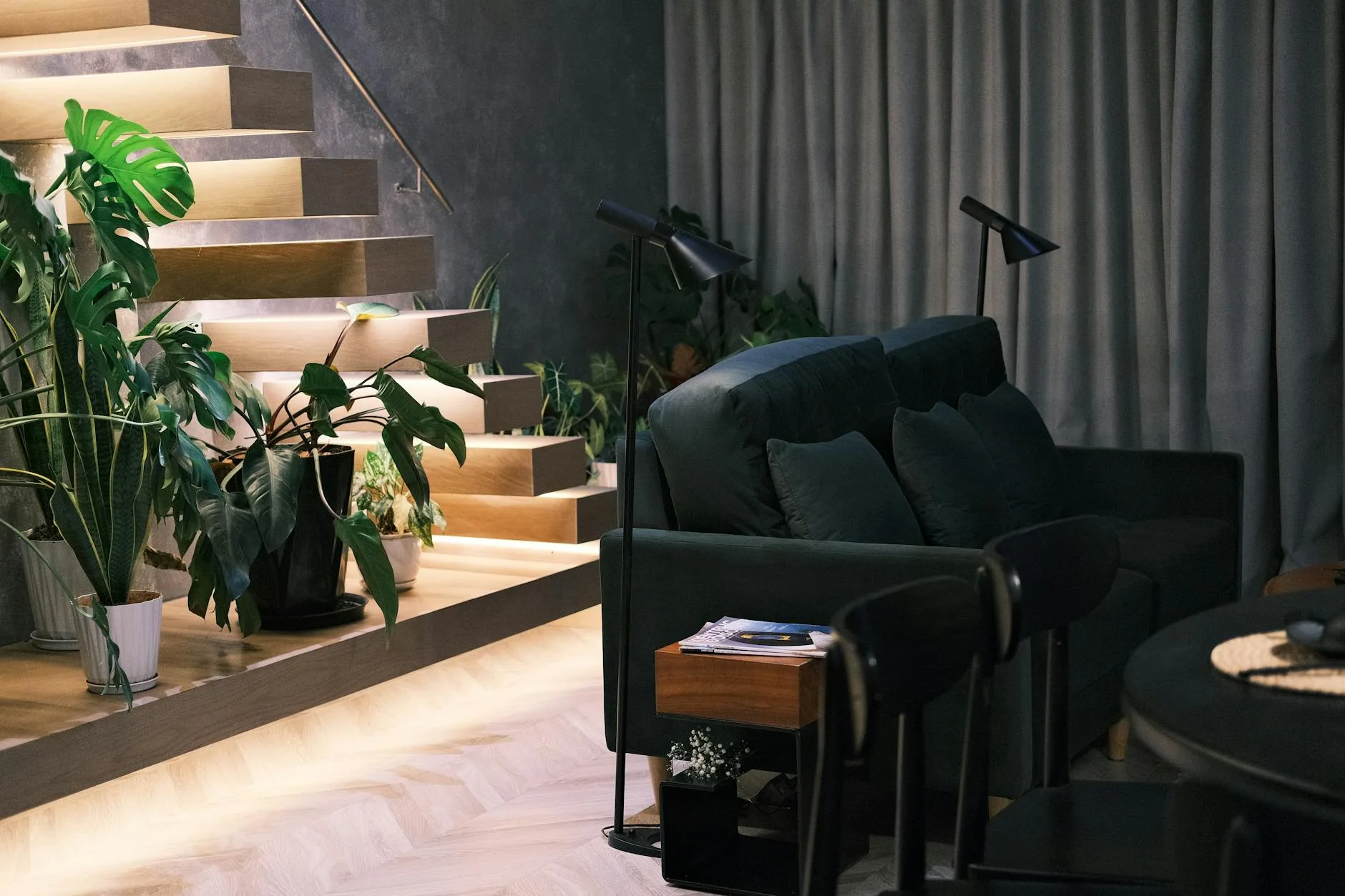
Houseplants for Air Quality
The NASA Clean Air Study is frequently cited as proof that houseplants clean indoor air. The reality is more nuanced — in a sealed chamber, yes, certain plants filter specific chemicals. In a real flat with real airflow, the effect is minimal compared to opening a window or running a purifier.
What Plants Actually Do
- Reduce CO2 slightly during daylight hours through photosynthesis
- Increase humidity through transpiration — helpful in dry, centrally heated flats during winter
- Improve psychological wellbeing — studies show indoor plants reduce stress and improve mood, which is worth something even if the air-cleaning effect is modest
Best Plants for UK Flats
If you want plants that contribute something to air quality while tolerating the low light and variable temperatures of British flats:
- Spider plant — nearly indestructible, tolerates neglect, produces offsets you can give to friends. Removes formaldehyde
- Peace lily — one of few plants that flowers in low light. Removes ammonia, benzene, and formaldehyde. Toxic to cats, so avoid if you have them
- Boston fern — excellent natural humidifier, loves bathrooms. Removes formaldehyde and xylene
- Snake plant (Mother-in-law’s tongue) — converts CO2 to oxygen at night (most plants only do this during the day), making it ideal for bedrooms. Tolerates very low light
For care tips, our guide to indoor plant care covers everything from watering to dealing with pests.
Dealing with Your Landlord
Your Rights
Under the Homes (Fitness for Human Habitation) Act 2018, your landlord must ensure the property is fit for human habitation. This includes freedom from:
- Serious damp and mould — structural damp causing mould growth
- Inadequate ventilation — especially in bathrooms and kitchens
- Hazards from gas appliances — including carbon monoxide risks
How to Raise Issues
- Document everything. Photograph mould, condensation, and damp patches with dates. Note what ventilation exists and what doesn’t work
- Report in writing. Email your landlord or letting agent with photos. Keep copies. Verbal complaints are hard to evidence later
- Follow up in writing if nothing happens within 14 days. Reference the Fitness for Habitation Act and your right to a property free from health hazards
- Contact your local council Environmental Health team if your landlord refuses to act. They have the power to inspect and enforce repairs
- Seek advice. Shelter, Citizens Advice, and your local housing charity can advise on next steps including potential rent reduction or claims
What Landlords Should Be Fixing
These are not your responsibility as a tenant:
- Structural damp — rising damp, penetrating damp from failed pointing or guttering
- Broken or absent extractor fans — bathrooms and kitchens need mechanical extraction
- Failed damp-proof courses — if the DPC has bridged or failed, that’s the building, not your lifestyle
- Windows that don’t open or seal properly — both extremes (can’t open for ventilation, can’t close to prevent draughts) are the landlord’s problem
What Is Your Responsibility
Be honest — some condensation issues are tenant behaviour:
- Drying clothes indoors without ventilation
- Not using extractor fans that exist
- Blocking trickle vents
- Never opening windows
- Turning heating off entirely (cold walls cause condensation)
A fair assessment helps. If you’re doing everything right and mould still grows, the property has a problem.

Room-by-Room Improvements
Bedroom
- Run an air purifier on low overnight — cleanest air while you sleep longest
- Open the window for 15 minutes every morning — flush out overnight CO2 and moisture
- Leave a gap behind the bed if it’s against an external wall
- Wash bedding at 60°C weekly — kills dust mites, the biggest bedroom allergen source
- Vacuum the mattress monthly — dust mites accumulate in the top layer
Bathroom
- Use the extractor fan every time you shower and leave it running for 20 minutes after
- Wipe down wet surfaces after showering — tiles, glass, and the shower curtain
- Keep the bathroom door closed while showering to contain moisture
- Open the window after — even a crack helps moisture escape
- Use a mould-resistant shower curtain — they cost about £10-15 and resist the pink slime that standard curtains attract
Kitchen
- Use the extractor fan or open a window while cooking — especially with gas
- Cover pans with lids — reduces moisture and cooking smell release
- Run the extractor for 10 minutes after cooking
- Clean the extractor filter monthly — a clogged filter moves zero air
- Empty the bin regularly — decomposing food is a VOC source
Living Room
- Vacuum weekly with a HEPA-filter vacuum — standard vacuums blow fine dust back into the air
- Dust surfaces with a damp cloth — dry dusting just redistributes particles
- Avoid reed diffusers and plug-in air fresheners — continuous VOC sources
- Place the air purifier here during the day when you’re using this room most
What You Can and Can’t Change as a Renter
Things You Can Do Without Permission
- Run portable air purifiers and dehumidifiers — they’re your property, plug in, take with you when you leave
- Add draught excluders to doors and letterboxes — removable, no permanent changes
- Use a hygrometer to monitor humidity
- Clean and maintain existing ventilation — unblock trickle vents, clean extractor fan covers
- Add houseplants
- Switch to low-VOC cleaning products
- Use a window vac to clear condensation daily
Things You Need Permission For
- Installing a bathroom extractor fan — involves electrics and potentially cutting through an external wall
- Adding trickle vents to windows — permanent modification
- Replacing light fittings — electrics need landlord consent
- Any drilling, screwing, or permanent fixing — even picture hooks in some tenancy agreements
Things That Are the Landlord’s Job
- Fixing structural damp — this is not optional under current law
- Repairing or replacing broken extractor fans — if one exists and it’s broken, the landlord fixes it
- Gas safety — annual gas safety certificates are legally required. If your boiler hasn’t been checked, that’s a serious breach
- Ensuring adequate ventilation — if the property has no means of ventilation in the bathroom or kitchen, the landlord must provide it
A Renter’s Air Quality Checklist
Here’s a practical action plan, in order of impact:
- Ventilate daily. Open windows for 10-15 minutes in each room, morning and evening if possible. Use extractor fans in the kitchen and bathroom
- Monitor humidity. Buy a hygrometer and keep relative humidity between 40-60%. Below 40% is too dry (irritates airways), above 60% encourages mould
- Control moisture sources. Use a dehumidifier when drying clothes indoors. Keep lids on pans. Wipe condensation off windows
- Get an air purifier. Even a budget model with a true HEPA filter removes dust, pollen, mould spores, and fine particles
- Reduce chemical pollutants. Switch to fragrance-free cleaning products. Ditch plug-in air fresheners. Ventilate after using any aerosol sprays
- Report structural issues. Document and report damp, mould, or ventilation failures to your landlord in writing. Know your rights
- Clean regularly. Vacuum with a HEPA-filter vacuum weekly. Wash bedding at 60°C. Dust with damp cloths
None of this costs more than a few hundred pounds, none of it requires your landlord’s permission, and all of it makes a measurable difference to the air you breathe. You can’t change the building, but you can change what happens inside it.
Frequently Asked Questions
Is mould in a rented flat always the landlord’s fault? Not always. If the mould is caused by structural issues (rising damp, penetrating damp, no extractor fan), it’s the landlord’s responsibility. If it’s caused by tenant behaviour (drying clothes indoors without ventilation, never opening windows, blocking vents), it’s harder to make that case. In practice, most mould in UK rental properties has both structural and behavioural components.
Do air purifiers actually work in small flats? Yes, and they work better in small spaces because the air volume is smaller. A purifier rated for 20m² can cycle all the air in a small bedroom several times per hour. After a few days of running one, most people notice reduced dust on surfaces, fewer allergy symptoms, and the air smelling fresher.
Can I withhold rent because of mould? It’s risky. Legally, you can claim rent reduction through the courts under the Fitness for Habitation Act, but withholding rent unilaterally can lead to eviction proceedings. The safer route is to report the issue, involve Environmental Health if needed, and seek legal advice from Shelter or Citizens Advice before taking any financial action.
How much does a dehumidifier cost to run? A typical 10-litre compressor dehumidifier uses about 200-300 watts. Running it for 8 hours a day costs roughly 50-80p at current UK electricity rates (about £15-24 per month). Desiccant dehumidifiers use more energy but work better in unheated rooms. The cost is modest compared to the property damage that unchecked damp causes.
Are portable air quality monitors worth buying? Basic CO2 monitors (about £30-50) are genuinely useful — they tell you when your room needs ventilating. Particulate matter monitors (PM2.5) are more expensive (£60-100+) and interesting but less actionable for most renters. A hygrometer for humidity monitoring (£8-12) gives you the most practical information for the lowest cost.
If you are solving the same room problem, compare this with How to Improve Air Quality in Your Child’s Bedroom.