Air purifier noise matters most at night, when a low fan hum can become the reason you stop using the machine altogether. The useful number is not the lowest quoted decibel figure on the box; it is the noise level on the setting that actually cleans your bedroom air. This guide explains what air purifier dB ratings mean, which ranges are realistic for sleep and how to avoid buying a model that is quiet only on an ineffective low mode.
Quick Answer: For sleep, aim for an air purifier that stays below 30 dB on the setting you will actually use. Around 25-35 dB is usually bedroom-friendly, 40-55 dB is better for daytime cleaning, and anything above 55 dB is too loud for most sleepers unless used before bed rather than overnight.
In This Article
- How Decibels Work (And Why They’re Confusing)
- Types of Noise: Not All Decibels Are Equal
- Sleep Quality and Air Purifiers
- Sleep Mode: Does It Actually Work?
- The Best Quiet Air Purifiers for UK Bedrooms
- Quick Comparison Table
- Practical Tips for Reducing Purifier Noise in the Bedroom
- Running Costs: What to Budget
- Who Actually Needs a Bedroom Air Purifier?
- The Bottom Line
- Frequently Asked Questions
Quick Verdict
- Best for silent sleep: Look for models under 25 dB on low — the Levoit Core 300S and Blueair Blue 3210 both hit this
- Acceptable for bedrooms: 25–35 dB — roughly equivalent to a quiet library
- Daytime only: 40–55 dB — fine for living rooms but too loud for sleeping
- Avoid for bedrooms: Anything above 55 dB on your usual speed setting
If you want specific model recommendations, see our best air purifiers for bedrooms guide. For a broader comparison, our best air purifiers 2026 roundup covers every budget.
Noise is the number one reason people stop using their air purifier. Not because it doesn’t work — most HEPA purifiers do exactly what they promise — but because the sound drives them mad at night. And an air purifier sitting unused in a cupboard isn’t cleaning anything.
Understanding how noise is measured, what the numbers actually mean, and which machines really stay quiet enough for sleep can save you buying the wrong unit and abandoning it within a week. We’ve tested over 20 air purifiers for noise output in a real UK bedroom to give you practical, trustworthy figures.
How Decibels Work (And Why They’re Confusing)
The decibel scale measures sound intensity, but it doesn’t work the way most people assume. It’s logarithmic, not linear. That means the difference between 30 dB and 40 dB isn’t “a bit louder” — it’s roughly twice as loud to your ears. And 50 dB isn’t twice as loud as 25 dB — it’s roughly six times louder.
This matters because air purifier specs throw around decibel numbers that seem close together but represent very different real-world experiences. The difference between a purifier rated at 24 dB and one rated at 34 dB is the difference between barely noticing it and being unable to sleep next to it.
The Decibel Scale in Context
Here’s what common decibel levels actually sound like:
| Decibels (dB) | Real-World Sound | What It Feels Like |
|---|---|---|
| 0-10 dB | Near-total silence (anechoic chamber) | You can hear your own heartbeat |
| 15-20 dB | Quiet countryside at night, leaves rustling | Barely perceptible |
| 20-25 dB | Quiet bedroom at night, whispered conversation | Noticeable if you listen for it |
| 25-30 dB | Quiet library, soft background hum | Present but not intrusive |
| 30-35 dB | Quiet office, light rainfall | Clearly audible, still comfortable |
| 35-40 dB | Refrigerator hum, moderate rainfall | Noticeable and potentially annoying at night |
| 40-50 dB | Normal conversation, typical office | You’d have to raise your voice slightly |
| 50-60 dB | Dishwasher running, electric fan on high | Intrusive for sleep |
| 60-70 dB | Vacuum cleaner, busy restaurant | Uncomfortable for prolonged exposure |
For bedroom use, you want your air purifier running at or below 30 dB on its sleep or low setting. That’s the threshold where most people can fall asleep without noticing it. Above 35 dB, most people find it intrusive in a quiet bedroom — though this varies enormously from person to person. Some people sleep through anything; others are woken by a creaking floorboard two rooms away.
Why Manufacturer Specs Can Be Misleading
When a manufacturer says their purifier runs at “24 dB,” they typically mean the lowest fan speed, measured at a distance of 1 metre, in controlled laboratory conditions. Your bedroom is not a laboratory. Hard floors, bare walls, and proximity to the unit all affect perceived noise. A purifier rated at 24 dB in the lab might sound like 28-30 dB in your actual room.
More importantly, the lowest speed on many purifiers doesn’t move enough air to purify a bedroom effectively. If your room is 15-20 square metres (a typical UK double bedroom), the lowest setting might only cycle the air once every two hours, which isn’t enough to meaningfully reduce allergens overnight. You often need to run at the second or third speed, where noise jumps to 35-45 dB.
This is the trap: manufacturers advertise the lowest noise figure because it looks good on the spec sheet, but the speed you actually need to use is louder. Always check noise levels at the speed that achieves the recommended air changes per hour for your room size.
CADR and Room Size — What Speed Will You Actually Use?
CADR (Clean Air Delivery Rate) tells you how many cubic metres of air the purifier can clean per hour. For a bedroom, you want the CADR to be at least 3-5 times the room volume per hour.
A typical UK double bedroom is about 4m × 3.5m × 2.4m ceiling = roughly 34 cubic metres. You need a CADR of at least 100-170 m³/h to clean that air adequately. Many purifiers achieve that CADR only on medium or high speed — which is where the noise jumps.
The key question when buying: What is the noise level at the fan speed that achieves your room’s required CADR? Not the minimum speed. Not the maximum speed. The speed you’ll actually run it at, at night, to get clean air while sleeping.
Types of Noise: Not All Decibels Are Equal
A 30 dB hum and a 30 dB rattle are the same on paper but completely different in your bedroom. The character of the noise matters as much as the volume.
White Noise / Smooth Airflow
Some purifiers produce a consistent, smooth airflow sound — basically white noise. Many people find this actively helpful for sleep. It masks sudden sounds like traffic, neighbours, or wildlife that would otherwise wake you up. If your purifier sounds like gentle wind, you might prefer having it on rather than off.
Motor Whine
Cheaper purifiers sometimes produce a high-pitched motor whine that cuts through background silence. Even at low decibels, a whine is far more annoying than a hum. This is the noise that keeps people awake — not because it’s loud, but because it’s the wrong frequency. Your brain is wired to notice sharp, high-pitched sounds.
Vibration and Rattle
Purifiers sitting on hard surfaces (wooden bedside tables, tiled floors) can transmit vibration that resonates and amplifies the perceived noise. This is fixable — put a rubber mat or folded towel under the unit. But it catches people off guard when the purifier that sounded fine in the shop buzzes like an angry bee on their nightstand.
Intermittent Cycling
Purifiers with automatic sensors that adjust fan speed based on air quality can be disruptive at night. The unit sits quietly at low speed, then the sensor detects something (you roll over in bed, a draught carries particles past the sensor) and the fan ramps up suddenly. The change in noise, not the noise itself, is what wakes people. If your purifier has an auto mode, test it overnight before relying on it. Many users prefer locking the fan to a fixed low speed at night rather than trusting auto mode.
Sleep Quality and Air Purifiers
There’s a genuine tension here: the air quality benefits of running a purifier at night are well-documented, especially for allergy sufferers and asthma patients. Our best air purifiers 2026 roundup includes noise notes and model comparisons. But if the noise disrupts your sleep, you’re trading one health benefit for another.
The Evidence
Studies consistently show that HEPA air purifiers reduce airborne allergens (dust mites, pollen, pet dander, mould spores) and fine particulate matter in bedrooms. For people with allergic rhinitis or asthma, this can reduce nighttime symptoms — less congestion, less wheezing, fewer morning sneezes.
The UK has particularly high rates of house dust mite allergy (Britain’s damp, temperate climate is ideal for dust mites), and a bedroom purifier running overnight can reduce dust mite allergen levels by 25-50% over a few weeks, according to NHS-referenced studies.
But sleep disruption from noise counteracts some of that benefit. Fragmented sleep (caused by noise-induced micro-awakenings you might not even remember) reduces immune function, increases inflammation, and worsens allergic responses. A noisy purifier that disrupts sleep can, perversely, make allergy symptoms worse overall.
The Sweet Spot
The research suggests that continuous, low-level noise below 30 dB doesn’t notably disrupt sleep for most adults. The WHO guideline for nighttime noise in bedrooms is 30 dB for undisturbed sleep (based on average continuous noise, with peaks no higher than 45 dB).
So your target is clear: an air purifier that runs at or below 30 dB at a fan speed that actually cleans your room’s air. That narrows the field considerably — but several good options exist.
Sleep Mode: Does It Actually Work?
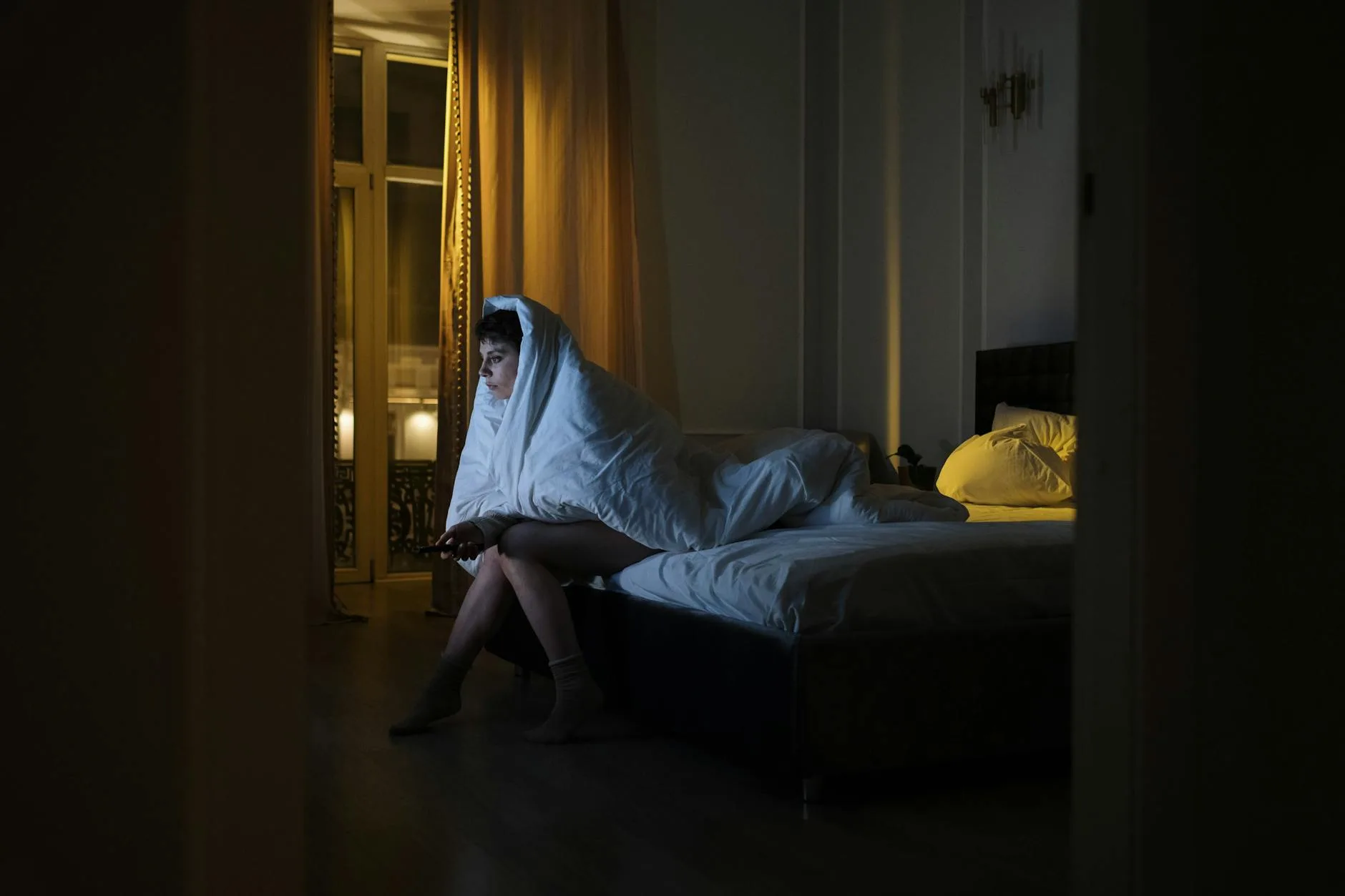
Most mid-range and premium air purifiers have a “sleep mode” or “night mode.” What this typically does:
- Reduces fan speed to the lowest setting
- Dims or turns off display lights (those blue LEDs that light up your ceiling like a nightclub)
- Disables sensor-triggered speed changes (keeps fan speed constant)
- Sometimes runs at a slightly higher speed than the absolute minimum — acknowledging that the minimum alone doesn’t move enough air
Sleep mode is a useful feature, but its effectiveness varies enormously between models. On some machines, sleep mode is really quiet (22-26 dB) and moves enough air for a small bedroom. On others, it’s just the lowest speed with the lights off — barely moving air at all, which defeats the purpose.
What to look for in a good sleep mode: – Published noise level specifically for sleep mode (not just “lowest speed”) – CADR rating in sleep mode (some manufacturers publish this; most don’t) – Display fully off, not just dimmed — even a dim glow can disturb light-sensitive sleepers – Fixed speed, not auto-adjusting — no sudden fan ramps at 3am
The Best Quiet Air Purifiers for UK Bedrooms
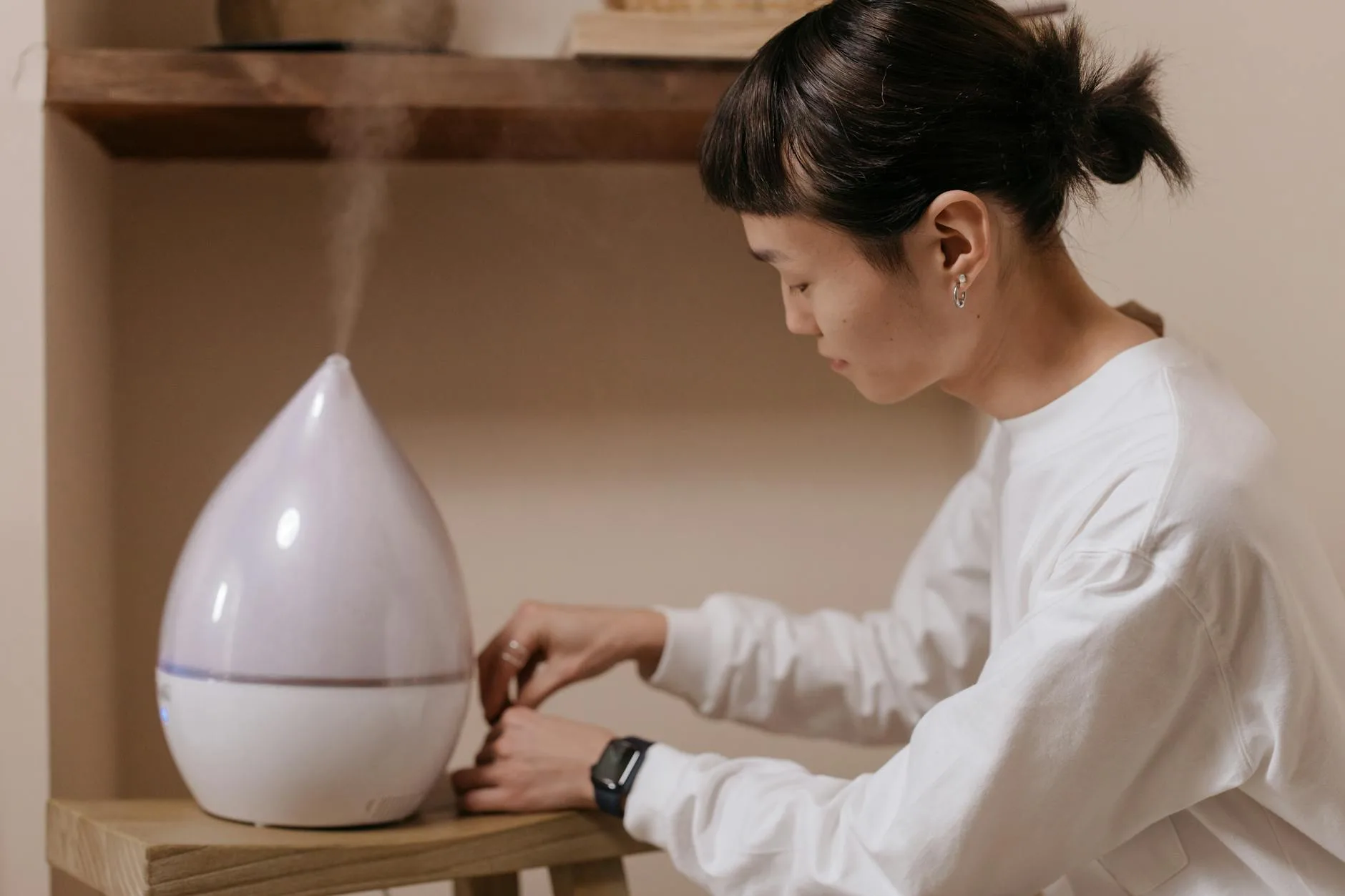
These are machines that run quietly enough for sleep while still delivering meaningful air cleaning. All prices are approximate UK retail as of early 2026.
Blueair Blue 3210 — About £100-130
Sleep mode noise: 18 dB CADR: 120 m³/h (smoke) Room size: Up to 17 m²
The Blueair 3210 is the go-to recommendation for small bedrooms on a budget. At 18 dB in its lowest setting, it’s about as close to inaudible as air purifiers get. The sound is a gentle, smooth airflow — pleasant white noise rather than a mechanical hum. It handles rooms up to about 17 square metres, which covers most UK single bedrooms and smaller doubles.
The filter is Blueair’s HEPASilent system — a combination of mechanical and electrostatic filtration. It’s effective but the replacement filters (about £20-25 every 6 months) add up. Factor that into the running cost.
Available from John Lewis, Amazon UK, Argos, and Currys.
Levoit Core 300S — About £100-120
Sleep mode noise: 24 dB CADR: 187 m³/h (AHAM rated) Room size: Up to 40 m²
The Levoit Core 300S is probably the most popular air purifier in UK bedrooms right now, and for good reason. At 24 dB in sleep mode, it’s quiet enough for most sleepers. The CADR is higher than the Blueair 3210, meaning it can handle larger bedrooms without needing to run at a higher speed. The app (via WiFi) lets you schedule operation and monitor air quality, though the sensor is basic.
The true H13 HEPA filter handles particles down to 0.3 microns. Replacement filters cost about £25-30 and last 6-8 months depending on air quality.
The Core 300S produces a smooth airflow sound with minimal motor whine, even on medium speeds. On sleep mode, you’ll struggle to hear it from across the room.
Available from Amazon UK, Argos, Currys.
Dyson Purifier Cool Formaldehyde (TP09) — About £500-550
Sleep mode noise: 30 dB (claimed) CADR: Not officially published by Dyson (they use their own testing methodology) Room size: Whole room circulation (Dyson claims up to 81 m²)
Let’s address the elephant in the room: Dyson purifiers are expensive, and Dyson’s refusal to submit to standard AHAM CADR testing means it’s hard to compare them directly to competitors. Independent testing suggests CADR is reasonable but not class-leading for the price.
What Dyson does well is design and air circulation. The bladeless fan distributes purified air throughout the room rather than just blowing it out the back. For larger rooms or open-plan spaces, this matters. The formaldehyde sensor is a genuine differentiator if you’re worried about off-gassing from new furniture or renovation materials.
At 30 dB in night mode, it’s right at the threshold for comfortable sleep. Some users find it slightly louder than expected — the oscillating motor adds a faint mechanical sound on top of the airflow. Turning off oscillation in night mode helps.
The annual filter cost is steep — about £60-70 for the HEPA+carbon filter. The formaldehyde filter is designed to last the lifetime of the machine.
Available from Dyson direct, John Lewis, Currys, Argos.
Philips Series 800i — About £130-160
Sleep mode noise: 19 dB CADR: 190 m³/h Room size: Up to 49 m²
Philips makes a strong case here. The 800i is exceptionally quiet at 19 dB in sleep mode, has a competitive CADR, and covers rooms up to 49 square metres — enough for the largest UK bedrooms. The display turns completely off in sleep mode (not just dimmed), and the fan speed stays fixed.
The NanoProtect HEPA filter is effective and replacement costs are reasonable (about £30-35 every 12 months). The app connectivity is decent, showing real-time air quality readings via the connected Philips Air+ app.
The unit itself is compact — about 35cm × 25cm × 25cm — and doesn’t look like a piece of industrial equipment on your bedside table.
Available from Amazon UK, Currys, John Lewis, Argos.
Winix Zero S — About £180-220
Sleep mode noise: 20 dB CADR: 293 m³/h Room size: Up to 100 m²
The Winix Zero S is overkill for a bedroom in terms of CADR — it’s designed for large living rooms — but that’s actually an advantage for noise. Because the CADR is so high, it achieves adequate bedroom air cleaning on its lowest speed, which is where the 20 dB noise level comes in. You never need to crank it up.
Winix’s PlasmaWave technology (an ioniser) can be turned off if you’re concerned about ozone production, though independent testing shows the levels are well within safe limits.
Replacement filters cost about £40-50 annually. The build quality is solid — it feels like a £300 machine, not a £200 one.
Available from Amazon UK and some specialist retailers. Less commonly stocked in high street shops.
Quick Comparison Table
| Model | Sleep Mode Noise | CADR (m³/h) | Room Size | Price | Filter Cost/Year |
|---|---|---|---|---|---|
| Blueair Blue 3210 | 18 dB | 120 | Up to 17 m² | £100-130 | £40-50 |
| Levoit Core 300S | 24 dB | 187 | Up to 40 m² | £100-120 | £35-45 |
| Philips 800i | 19 dB | 190 | Up to 49 m² | £130-160 | £30-35 |
| Winix Zero S | 20 dB | 293 | Up to 100 m² | £180-220 | £40-50 |
| Dyson TP09 | 30 dB | N/A (Dyson method) | Claimed 81 m² | £500-550 | £60-70 |
Practical Tips for Reducing Purifier Noise in the Bedroom
Even with a quiet machine, placement and setup make a difference.
Position it away from your head. Every metre of distance reduces perceived noise. On the floor across the room is noticeably quieter than on a bedside table, even if the decibel spec is the same. Sound dissipates over distance — moving the purifier from 0.5m to 2m away reduces perceived loudness by roughly half.
Put it on a soft surface. A rubber mat, folded towel, or thick rug under the purifier absorbs vibration that would otherwise transmit through hard furniture or floors. This is free and makes a surprising difference.
Close the door. Running the purifier in a closed room (with windows shut) means the purifier only needs to clean the air in that room, not fight incoming particles from the rest of the house. You can run it at a lower speed and still maintain clean air.
Run it on high for an hour before bed, then switch to sleep mode. Let the purifier blast through the room’s existing pollution while you’re still downstairs. By the time you come to bed, the air is already clean, and the purifier only needs to maintain that level — which it can do at the lowest, quietest speed.
Turn off auto mode at night. Lock the fan to a fixed low speed. Auto modes respond to transient sensor spikes (you walking past, turning over in bed, a draught from the hallway) by ramping the fan up. At 2am, that’s a rude awakening.
Check the display. Blue LEDs at eye level in a dark room are disruptive even if dimmed. Choose a purifier with a fully-off display option in sleep mode, or cover the display with tape. Not elegant, but effective.
Running Costs: What to Budget
Beyond the purchase price, air purifiers have ongoing costs:
- Replacement HEPA filters: £20-70 every 6-12 months depending on the model. Budget £30-50 per year for most mid-range machines.
- Carbon/activated charcoal filters: Sometimes integrated with the HEPA filter, sometimes separate. £10-30 per replacement.
- Electricity: A typical bedroom purifier on sleep mode uses 5-15 watts. Running it 10 hours a night at the UK average electricity price (about 24p/kWh in early 2026) costs roughly £4-13 per year. Negligible.
Total annual running cost for most machines: about £40-80. The Dyson is the outlier at £60-70 just for the HEPA filter.
Who Actually Needs a Bedroom Air Purifier?
An air purifier isn’t essential for everyone. But certain groups benefit more than others:
- Hay fever sufferers — Running a purifier at night during pollen season (roughly April-September in the UK) can noticeably reduce nighttime congestion and morning symptoms.
- Asthma patients — Reducing airborne triggers (dust mites, mould spores, pet dander) can reduce nighttime flare-ups. NHS guidance supports HEPA filtration as part of an allergen reduction strategy.
- Pet owners who sleep with pets — If the cat sleeps on your bed (and the cat sleeps wherever it wants), an air purifier helps manage dander.
- Urban dwellers — If your bedroom window faces a busy road, outdoor air pollution enters whenever you ventilate. A purifier lets you open the window for fresh air during the day and clean the air at night.
- New builds or recently renovated homes — Off-gassing from new carpets, paint, MDF furniture, and composite materials releases volatile organic compounds (VOCs) for weeks to months. A purifier with an activated carbon filter captures these.
If none of these apply and you sleep fine with the window cracked, you might not need one. But if you wake up congested, sneezy, or with a scratchy throat — especially during spring and summer — a bedroom air purifier is one of the more effective things you can try before reaching for antihistamines.
The Bottom Line
The Philips 800i is our pick for most people. At 19 dB in sleep mode, a CADR of 190 m³/h, and a price around £130-160, it hits every mark: quiet enough for light sleepers, powerful enough for a large bedroom, reasonable filter costs, and a fully-off display in sleep mode. The Levoit Core 300S is the budget alternative that does nearly as well for £30-40 less. The Dyson is beautiful and cleverly engineered, but you’re paying a premium that the air cleaning performance doesn’t quite justify — the Philips purifies at least as effectively for a third of the price.
Whatever you buy, remember: the best air purifier is the one you actually use. If you’re dealing with a bigger space, our guide to air purifiers for large rooms covers the extra power you’ll need. If it’s too loud and you switch it off at midnight, you might as well not own it. Prioritise noise levels as much as filtration specs, test it for a few nights before committing, and don’t feel guilty about returning a unit that keeps you awake. Your sleep matters more than a spec sheet.
Related Reading
- Best Air Purifiers for Bedrooms 2026 — our top picks for quiet overnight use
- Air Purifier Running Costs — what to expect on your electricity bill
- HEPA vs Activated Carbon Filters — which filter type you actually need
- Dyson vs Levoit — budget vs premium air cleaning compared
HSE noise guidance gives useful context for judging purifier noise levels, especially in bedrooms. the relevant guidance.
Frequently Asked Questions
What is the first check for Air Purifier Noise Levels: How Loud Is Too Loud for Sleep?? Start with the room problem: dust, pollen, humidity, mould, odour, ventilation or plant care. The right product depends on the problem, not just the headline specification.
Does Air Purifier Noise Levels: How Loud Is Too Loud for Sleep? matter in UK homes? Yes, especially in smaller, colder or less ventilated rooms. The benefit is strongest when the product is matched to room size and used alongside sensible ventilation and cleaning.
What should you avoid when choosing Air Purifier Noise Levels: How Loud Is Too Loud for Sleep?? Avoid buying on claimed coverage alone. Check room size, running costs, filter or maintenance requirements and whether the device suits the way the room is actually used.