Air purifier running costs in the UK are usually driven more by replacement filters than electricity. A small purifier on low speed can cost only a few pounds a year in power, but annual HEPA and carbon filters can add £20-£80 depending on the brand, room size and how often the unit runs.
Quick Answer: Most UK air purifiers cost roughly £5-£30 a year in electricity if used sensibly, plus £20-£80 a year for replacement filters. Large-room models, fan heaters and purifier-coolers cost more, especially on high settings. Use your actual tariff, the purifier wattage and Ofgem price-cap guidance to estimate your own cost rather than relying on marketing figures.
In This Article
- What Running Costs Actually Include
- Electricity Costs by Purifier Type
- How to Calculate Your Electricity Cost
- Filter Replacement Costs
- Running Costs by Brand
- How Room Size Affects Running Costs
- Ways to Reduce Running Costs
- Air Purifiers vs Other Appliances
- Are Air Purifiers Worth the Running Cost
- Frequently Asked Questions
What Running Costs Actually Include
The Two Costs
Air purifier running costs break down into two categories:
- Electricity — the ongoing cost of keeping the unit powered and the fan running. This ranges from negligible (£5-10 per year on low settings) to noticeable (£30-60 per year on high settings for larger units)
- Filter replacements — the recurring cost of replacing HEPA filters, carbon filters, and pre-filters. This ranges from £20 per year for budget models to £100+ per year for premium brands. For most purifiers, filters cost more than electricity over the unit’s lifetime
What Most Reviews Miss
Product reviews almost always quote the electricity cost because it sounds impressively low — “costs just 2p per hour to run.” They rarely mention that the Dyson HP07 needs a £60 filter every 12 months, or that a Philips 2000 series needs a £35 HEPA filter and a £25 carbon filter annually. The total running cost is electricity plus filters, and filters usually dominate.
Electricity Costs by Purifier Type
Small Room Purifiers (up to 20m²)
Typical wattage: 10-30W on the highest setting, 2-8W on the lowest.
Annual electricity cost (24/7 operation):
- Low setting: £5-15 per year
- Medium setting: £10-25 per year
- High setting: £20-45 per year
These are the compact units — Levoit Core 300, Philips 800 series, Blueair Blue 3210. Running one on auto mode (which adjusts fan speed based on air quality) typically averages the medium setting cost, since the unit runs low most of the time and ramps up only when it detects pollutants.
Medium Room Purifiers (20-40m²)
Typical wattage: 20-55W on high, 5-12W on low.
Annual electricity cost (24/7 operation):
- Low setting: £10-25 per year
- Medium setting: £20-40 per year
- High setting: £35-65 per year
Models like the Philips 2000 series, Dyson Pure Cool, and Blueair Classic 480i fall here. The Dyson models tend toward the higher end because the combination of purifier and fan/heater draws more power. Our guide to Dyson vs Philips vs Blueair covers performance differences alongside these cost variations.
Large Room Purifiers (40m²+)
Typical wattage: 40-75W on high, 8-15W on low.
Annual electricity cost (24/7 operation):
- Low setting: £15-30 per year
- High setting: £50-90 per year
Larger units like the Blueair Classic 680i and IQAir HealthPro 250 draw more power but cover bigger spaces. The per-square-metre cost is actually lower than running two smaller units. For help choosing the right size, see our guide to air purifiers for large rooms.
How to Calculate Your Electricity Cost
The Formula
Annual cost = Watts × hours per day × 365 ÷ 1,000 × electricity rate per kWh
A Worked Example
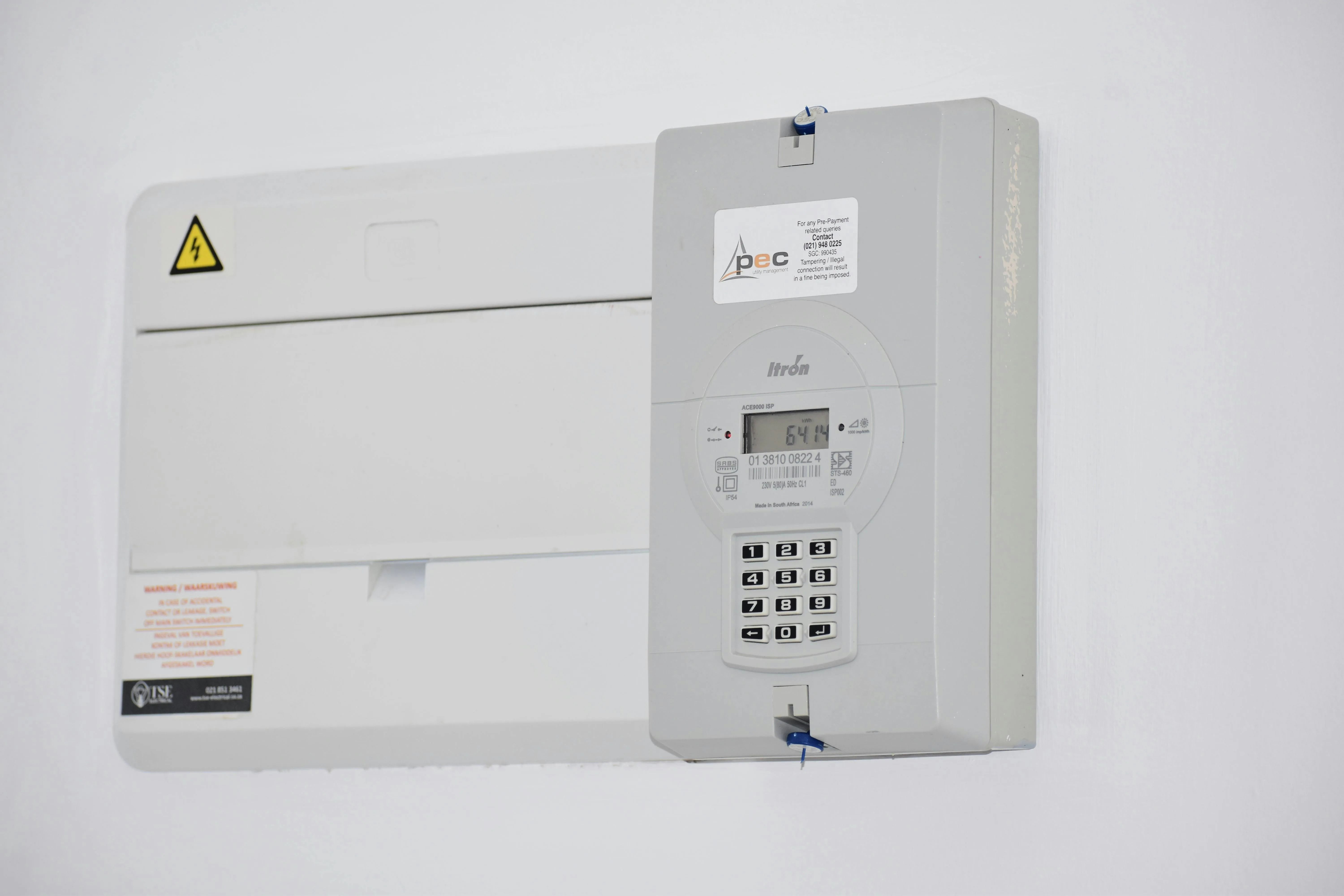
A Levoit Core 300 on medium setting draws 26W. Running 24/7 at the current UK average electricity rate of 24.5p per kWh (April 2026 Ofgem cap):
26 × 24 × 365 ÷ 1,000 × 0.245 = £55.77 per year
On the lowest setting (9W):
9 × 24 × 365 ÷ 1,000 × 0.245 = £19.31 per year
The Ofgem energy price cap sets the maximum unit rate for most UK households. Your actual rate may differ depending on your tariff and supplier, but the cap provides a useful baseline for comparison.
Finding Your Purifier’s Wattage
Check the label on the bottom or back of the unit, the user manual, or the manufacturer’s website. Wattage is usually listed as “rated power” or “power consumption.” Some manufacturers quote the maximum wattage (highest fan speed), while others quote a range — always check which setting the figure refers to.
Filter Replacement Costs
HEPA Filters
The main filter in most purifiers. Replacement intervals vary:
- Every 6 months: budget models with smaller filters (Levoit Core 300: about £15-20 per filter = £30-40/year)
- Every 12 months: mid-range models (Philips 2000 series: about £35-45 per filter = £35-45/year)
- Every 12-18 months: premium models with larger filters (Blueair Classic: about £50-70 per filter = £40-55/year)
- Every 12 months: Dyson (combined HEPA + carbon filter: about £50-65 = £50-65/year)
Carbon (Activated Charcoal) Filters
Some purifiers have separate carbon filters for odours, VOCs, and gases. These need replacing independently:
- Philips 2000 series: separate carbon filter, about £20-30 every 12 months
- Blueair models: some integrate carbon into the HEPA filter (one replacement covers both)
- Budget models: often include a thin carbon layer within the HEPA filter — less effective for odours but cheaper to replace
For a breakdown of what different filter types remove, our HEPA filters guide covers the technology in detail.
Pre-Filters
Many purifiers include a washable pre-filter that catches large particles (pet hair, dust). These are reusable — wash monthly and replace only when they deteriorate (every 1-2 years). Pre-filter replacement cost is minimal (£5-10) but washing them regularly extends the life of the expensive HEPA filter behind them.
Washable HEPA Filters
Some budget and mid-range purifiers advertise washable HEPA filters with no regular replacement cost. They can be reusable, but there are caveats:
- Washing reduces filtration efficiency slightly over time
- They typically last 2-3 years before replacement is needed
- They don’t filter as finely as true H13 HEPA filters
- For allergy sufferers, disposable H13 HEPA filters are more effective
Our guide to air purifiers with washable filters covers the best options if running costs are a priority.
Running Costs by Brand
Levoit (Budget)
- Core 300: electricity £20-55/year + filters £30-40/year = £50-95/year total
- Popular because filters are cheap and widely available on Amazon UK. After running a Core 300 in the bedroom for over a year, the filters lasted the full six months each time and the unit costs about £6/month on auto mode — less than a Netflix subscription
Philips (Mid-Range)
- AC2889/60 (2000 series): electricity £20-40/year + HEPA £35-45/year + carbon £20-30/year = £75-115/year total
- Higher filter costs but superior filtration and build quality. The separate carbon filter adds £20-30/year that budget models avoid by integrating carbon
Dyson (Premium)
- Purifier Cool (TP07): electricity £30-55/year + combined filter £50-65/year = £80-120/year total
- The filter is expensive but covers both HEPA and carbon in one unit. The app tracks filter life accurately
Blueair (Premium)
- Classic 480i: electricity £25-50/year + filter £50-70/year = £75-120/year total
- Blueair’s HEPASilent technology uses less fan power than pure HEPA, keeping electricity costs lower despite the larger unit size
How Room Size Affects Running Costs
Bigger Room = More Power
A purifier needs to move enough air to clean the entire room volume. In a small bedroom (12m²), even a compact unit’s low setting cycles the air adequately. In a large open-plan kitchen-living space (40m²), the unit runs at higher fan speeds more often, drawing more power.
The Air Changes Per Hour Equation
Effective air purification requires 4-6 air changes per hour (ACH) — meaning the purifier processes the room’s entire air volume 4-6 times every hour. A purifier rated for 20m² that’s used in a 35m² room achieves only 2-3 ACH. It still filters some air, but less effectively, and it runs at maximum speed constantly to compensate — increasing both electricity cost and noise.
Right-Sizing Saves Money
Buy a purifier rated for your room size or slightly larger. An oversized purifier achieving 6 ACH on its medium setting costs less to run (and produces less noise) than an undersized purifier achieving 3 ACH on maximum. The upfront cost is higher, but the running cost and noise are lower.
Ways to Reduce Running Costs
Use Auto Mode
Auto mode adjusts fan speed based on a built-in air quality sensor. In a well-ventilated home without smokers or heavy cooking, the purifier runs on low most of the time and only ramps up when pollutants are detected. This cuts electricity usage by 40-60% compared to running on a fixed medium or high setting.
Run It in the Right Room
A purifier running 24/7 in an unoccupied guest room is wasted energy. Move it to where you spend the most time — the bedroom at night, the living room during the day. Some people buy two smaller units rather than moving one around.
Keep Windows Closed
Every time you open a window, outdoor pollutants enter and the purifier works harder to clean the air. In high-pollution areas or during high-pollen seasons, keeping windows closed while the purifier runs reduces the load and energy consumption.
Maintain the Pre-Filter
A clogged pre-filter forces the fan to work harder to pull air through. Washing the pre-filter monthly maintains airflow efficiency and reduces power draw. It also extends the HEPA filter’s life by preventing large particles from clogging it prematurely. Our guide to changing air purifier filters covers maintenance timing for every filter type.
Consider a Timer
If you’re out of the house for 8-10 hours daily, a timer or smart plug that runs the purifier only when you’re home cuts electricity costs by roughly a third. The air quality will drop while you’re away, but the purifier catches up within 30-60 minutes of switching on.
Air Purifiers vs Other Appliances
For context, here’s how air purifier electricity costs compare to other always-on or frequently-used appliances:
- Air purifier (medium setting): £20-40/year
- WiFi router (always on): £15-25/year
- Fridge-freezer: £50-80/year
- TV (4 hours/day): £15-30/year
- Electric blanket (8 months, nightly): £10-20/year
- Dehumidifier (8 hours/day, 6 months): £40-80/year
- Tumble dryer (3 loads/week): £80-150/year
An air purifier sits in the same range as a WiFi router or a TV — not free, but not a budget-breaker. The filter replacements are the variable that can push total costs higher.
Are Air Purifiers Worth the Running Cost
For Allergy Sufferers
If you have hay fever, dust mite allergy, or pet allergies, the answer is almost always yes. The reduction in symptoms — fewer antihistamines, better sleep, less nasal congestion — provides tangible quality of life improvement. At £50-120/year total running cost, it’s cheaper than most allergy medications and far more convenient.
For Asthma Management
Reducing airborne triggers (dust, pollen, pet dander, mould spores) measurably reduces asthma symptom frequency. Several clinical studies show reduced inhaler use in households using HEPA air purifiers. At the running cost levels above, a purifier is one of the most cost-effective environmental interventions for asthma management.
For General Air Quality
In well-ventilated homes without specific air quality issues, the benefit is less clear. The air may test slightly cleaner, but the occupants may not notice a perceptible difference. For these households, the running cost may not justify the improvement — but in UK homes near busy roads, near construction, or in urban areas with high PM2.5, the case is stronger.
Frequently Asked Questions
How much does it cost to run an air purifier 24/7? Electricity alone costs £15-60 per year depending on the unit size and fan speed. At the UK average rate of 24.5p/kWh, a typical bedroom purifier on auto mode costs about £20-30 per year in electricity. Add £30-65 per year for replacement filters, and total running costs are £50-120 per year for most models.
Are HEPA filter replacements expensive? HEPA filters cost £15-70 depending on the brand and model, replaced every 6-18 months. Budget models (Levoit) are cheapest at £15-20 per filter. Premium brands (Dyson, Blueair) charge £50-70. Over a year, filter costs typically exceed electricity costs — filters are the largest ongoing expense.
Is it cheaper to run an air purifier or open a window? Opening a window is free but doesn’t filter the air — it lets in outdoor pollutants, pollen, and traffic fumes. In urban areas or during high-pollen seasons, an air purifier with windows closed provides cleaner air than an open window. In rural areas with good outdoor air quality, opening windows may be sufficient.
Do air purifiers use a lot of electricity? No. Most draw 10-55W, comparable to a light bulb or laptop charger. Running a bedroom purifier on auto mode uses roughly the same electricity as leaving a WiFi router plugged in. They are among the least power-hungry household appliances.
How can I reduce my air purifier running costs? Use auto mode (reduces electricity by 40-60%), wash the pre-filter monthly (extends HEPA life), keep windows closed while running, right-size the purifier for your room (avoid oversized units), and use a timer or smart plug to run it only when you’re home.
If you are solving the same room problem, compare this with Carbon Filters Explained: What Do They Remove?.