If you are asking how much does herb garden cost, allow about £15–£35 for a useful windowsill setup, £35–£80 for a good outdoor container garden, or £70–£250 for an indoor garden with its own grow light. You can spend less by sowing seeds into reused pots, but a modest budget for drainage, decent compost and the herbs you actually cook with usually saves money and disappointment.
In This Article
- How Much Does Herb Garden Cost in the UK?
- A Realistic Herb Garden Shopping List
- Seeds, Supermarket Herbs or Garden-Centre Plants?
- What Different Herb Garden Setups Cost
- Ongoing Costs After the First Year
- Which Herbs Give the Best Value?
- How to Keep the Cost Down
- Is a Herb Garden Worth the Money?
- Frequently Asked Questions
How Much Does Herb Garden Cost in the UK?
The sensible answer depends on where the herbs will live. A sunny kitchen windowsill needs pots, saucers, compost and plants or seeds. An outdoor container needs more compost and better drainage, while a dark kitchen may need a powered grow light. Those are different projects, even though retailers call all three a “herb garden”.
For a practical first setup, use these UK price bands:
- Basic windowsill garden: £15–£35 for three small pots, compost and three seed packets or young plants.
- Outdoor container garden: £35–£80 for a substantial trough or several pots, 40–60 litres of compost and four to six herbs.
- Small raised herb bed: £80–£180 if you need the bed, soil, plants and a basic hand tool.
- Indoor garden with a grow light: £70–£250 upfront, depending on whether you buy a simple lamp and pots or a self-watering smart kit.
My preferred starting point is a £25–£40 setup with parsley, chives, thyme and mint in separate pots. It is large enough to be useful, but cheap enough that you can learn which herbs cope with your light and watering habits before buying a powered system. Mint needs its own pot because its roots spread aggressively; squeezing it into a mixed trough is a false economy.
The biggest budgeting mistake is buying a decorative planter first and then trying to make unsuitable herbs share it. Mediterranean herbs such as thyme, rosemary and oregano like bright light and free-draining compost. Parsley, chives and mint tolerate moister conditions. Matching plants with similar needs matters more than matching pots.
A Realistic Herb Garden Shopping List
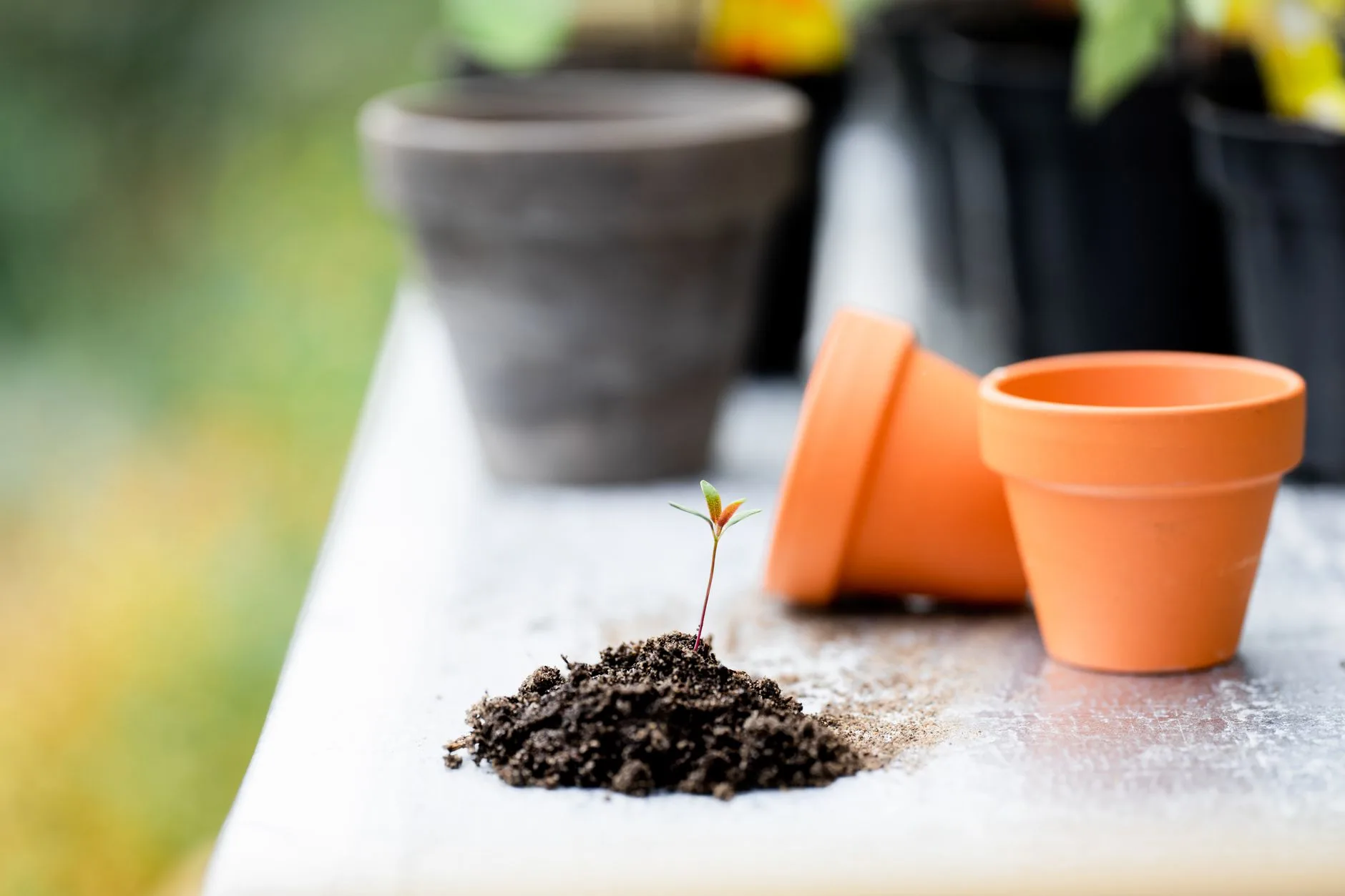
A herb garden does not require a specialist kit. It needs a container with drainage, a growing medium, plants or seeds, light and a way to water without flooding the roots. Everything else is optional.
Pots and saucers: £3–£30
Plain 12–15cm plastic pots can cost £1–£3 each, with saucers around £1–£2. Terracotta often costs £3–£8 per pot, while a long windowsill planter is commonly £8–£20. Decorative ceramic cachepots can double the bill without improving growth, and many have no drainage hole.
If you like the look of a cachepot, keep the herb in a smaller nursery pot inside it. Lift the inner pot out to water and empty any excess. This avoids paying for a beautiful container only to leave basil sitting in a puddle.
Compost and drainage: £5–£12
A small bag of peat-free multipurpose compost is usually enough for a windowsill garden. Larger outdoor containers may use most of a 40–60 litre bag. The RHS guidance on growing herbs in containers recommends a gritty, well-drained mix and suggests adding coarse grit or a suitable local alternative where drainage needs improving.
You do not need to fill the bottom of a pot with expensive drainage stones. A clear drainage hole matters more. Pot feet can help an outdoor container drain in wet UK weather, while a saucer protects an indoor sill.
Seeds or young plants: £3–£25
Seed packets generally cost about £1.50–£4 each and contain far more seed than one household needs. Young herb plants are commonly £2–£5 each. Seeds provide the lowest cost per plant, but young rosemary, thyme and sage save months of waiting.
Budget growers can combine the two: sow quick annual herbs such as basil, coriander and dill, then buy one healthy plant each of slower perennial herbs. That gives an earlier harvest without paying plant prices for everything.
Small tools: £0–£15
For three pots, a tablespoon, old mug and your hands can do most jobs. A hand trowel and small watering can are useful outdoors but not compulsory. Plant labels can be cut from a yoghurt pot; just use a permanent marker that will not wash off.
If you are setting up more houseplants as well, our guide to choosing indoor plant pots explains where paying more improves drainage and where it merely changes the finish.
Seeds, Supermarket Herbs or Garden-Centre Plants?
The cheapest sticker price is not always the cheapest route to a productive garden. The right choice depends on how soon you want to harvest and how much light you have.
Seeds: lowest cost, slowest start
Three £2 seed packets can produce dozens of plants, so seeds win on unit cost. Basil, coriander, dill, parsley and chives are sensible candidates. Germination is less predictable in a cold, dim room, and seedlings need thinning rather than being left as a crowded green clump.
The hidden cost is time. If you buy compost, trays and a lamp solely to raise six seedlings, the “cheap” seeds can become an expensive project. Sow in clean food trays with drainage holes and move the strongest seedlings into final pots.
Supermarket herb pots: useful, but treat them as several plants
A supermarket basil or coriander pot may cost £1–£2.50 and looks like an instant bargain. It is usually packed with many seedlings grown for a quick, lush crop rather than long life. The RHS warns that supermarket pot-grown herbs can be too soft and stressed to adapt well outdoors.
You can still get value from them. Split the rootball gently into three or four groups, repot them in fresh compost and give them bright light. Not every group will thrive, but the survivors have far more root room. Our indoor plant care guide covers the light, drainage and feeding basics that matter once they are repotted.
Garden-centre plants: higher price, better head start
A sturdy garden-centre herb generally costs more than a supermarket pot, yet it may be the better buy for rosemary, sage, thyme and oregano. You are buying an established root system and a plant intended to grow on.
Check beneath the leaves for pests, avoid plants sitting in stagnant water and look for roots that hold the compost together without forming a solid circling mat. Based on the condition commonly seen on retail benches, one well-rooted £4 thyme is better value than two reduced plants already collapsing at the stems.
What Different Herb Garden Setups Cost
There is no single average because the container and lighting choice dominate the budget. These examples use realistic mainstream UK prices rather than sale-only deals.
| Setup | Typical upfront cost | Best for | Main extra cost |
|---|---|---|---|
| Three reused windowsill pots | £8–£18 | Trying herbs from seed | Compost and saucers |
| Purpose-bought windowsill planter | £20–£45 | Small kitchens with good light | Replacement annual herbs |
| Outdoor trough or mixed pots | £35–£80 | Patios, balconies and back doors | More compost and winter care |
| Small raised herb bed | £80–£180 | Regular cooks with outdoor space | Bed filling and edging |
| Basic lamp plus ordinary pots | £50–£120 | Dim kitchens and winter growing | Electricity |
| Self-watering indoor garden | £100–£250 | Convenience and compact growing | Pods, nutrients and replacement parts |
The best-value indoor option
If your sill receives several hours of useful daylight, ordinary pots beat a powered kit on cost. Spend roughly £10–£20 on containers and saucers, £5–£8 on compost, and £8–£15 on plants. The total lands around £25–£40.
For a kitchen with poor natural light, compare a separate full-spectrum grow light with an all-in-one garden. A separate light leaves you free to use normal seed and compost; a proprietary system may encourage repeat spending on branded pods. Read our explanation of grow lights for indoor plants before paying for features such as automatic dimming or app control.
The best-value outdoor option
A 40–60cm trough or two medium pots give more flexibility than one huge planter. Put dry-loving herbs together and keep mint separate. The RHS notes that herbs including mint, oregano, rosemary, thyme and sage can live outside all year once established, although container roots still need protection from prolonged freezing and winter saturation.
Expect to spend £35–£60 if you buy plain containers, compost and four young plants. Decorative pots can push the same planting above £100 without adding another meal’s worth of herbs.
Ongoing Costs After the First Year
An unpowered herb garden is cheap to maintain. Most established perennial herbs need only some fresh compost, occasional feed and a larger pot every few years. Annual herbs must be resown or replaced.
A realistic annual allowance
For a four-to-six-pot garden, budget roughly:
- Seeds and replacement plants: £5–£20, depending on how many annual herbs you grow.
- Fresh compost: £4–£10 for topping up and repotting.
- Plant feed: £3–£8, although one bottle often lasts beyond a season.
- Water: usually too little to notice separately on a household bill.
- Pest treatment: often £0; washing, pruning and better airflow solve many minor problems.
That puts a normal non-powered garden at about £12–£35 a year after setup. Reusing saved seed and dividing mint, oregano or chives can bring it lower.
Electricity for indoor grow lights
A 20W lamp used for 12 hours consumes 0.24kWh per day. At 25p per kWh, that is 6p a day, around £1.80 a month or £22 for a full year. A 40W lamp doubles those figures. Timers help because herbs need a regular dark period; leaving a lamp on continuously wastes money and can stress plants.
Self-watering pumps use very little electricity compared with the light. Proprietary seed pods and nutrient bottles are the bigger recurring expense. Before buying a system, check whether it accepts ordinary seed and growing medium and whether replacement parts are sold separately. Our comparison of indoor herb garden kits is the better place to choose between specific systems; this cost guide is about deciding whether that level of spending makes sense at all.
The cost of plant losses
Overwatering kills more value than a lack of accessories. Water only when the compost condition and the herb’s needs call for it, not because it is Tuesday. The guide to watering indoor plants properly explains how to check moisture rather than relying on a rigid schedule.
Which Herbs Give the Best Value?
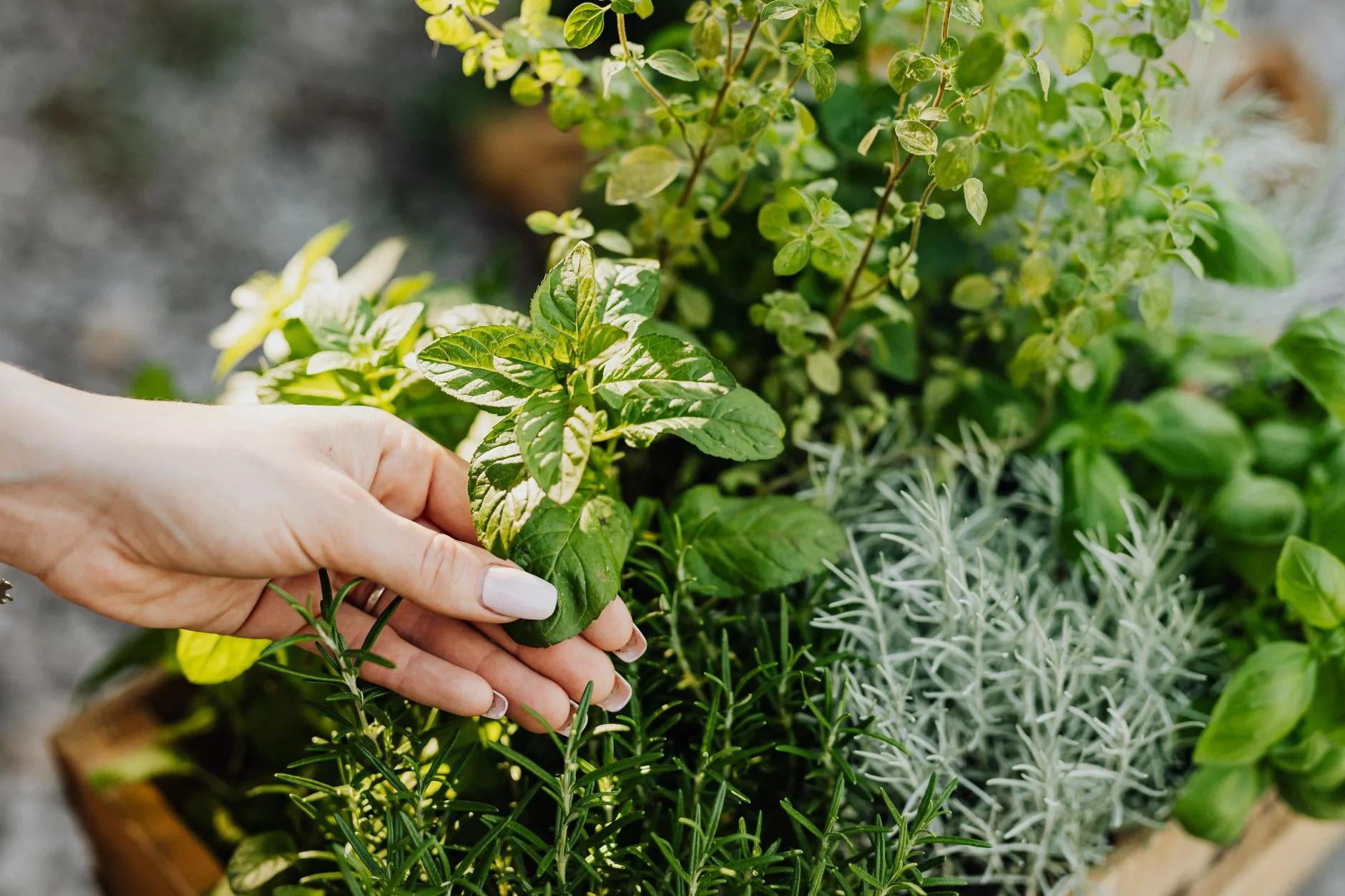
Value comes from how often you use an herb, how expensive it is to buy fresh and how readily the plant regrows after cutting. Growing ten unusual varieties is not economical if your cooking repeatedly calls for parsley and mint.
Best for repeated harvests
Chives, mint, oregano and thyme can keep producing for years with sensible care. Rosemary grows more slowly but a mature plant supplies useful sprigs and can become a permanent patio feature. These perennials make the initial £3–£5 plant price easier to justify.
Mint is especially productive, but keep it contained. A single plant can be divided later, so buying several varieties on day one is rarely necessary. Chives can also be divided once the clump is established.
Best grown from seed
Basil, coriander and dill are quick annual crops. Coriander tends to flower in warm conditions, so sow a small amount every two or three weeks instead of emptying the packet at once. The RHS herb growing guide recommends repeat sowing for fast-bolting herbs such as coriander and dill to maintain a continuous supply.
Parsley takes longer to germinate but produces over a long period. If patience is not your strength, one young parsley plant and a packet of basil seed is a better first purchase than a large seed collection.
Poor-value choices for the wrong space
Woody Mediterranean herbs struggle on a dim kitchen sill, while basil dislikes a cold outdoor position. Replacing the wrong plant three times costs more than buying the right plant once. Bay also becomes large and is better treated as a long-term container shrub than a cheap windowsill herb.
Choose three herbs you buy regularly, then add more after the first season. This makes the savings measurable and keeps care manageable.
How to Keep the Cost Down
The cheapest successful garden uses ordinary materials well. It does not use the most gadgets.
- Reuse nursery pots first. Wash them, check the drainage holes and place them on inexpensive saucers.
- Buy fewer varieties. Start with three herbs that already appear on your shopping list.
- Share seed packets. One packet can be excessive for a household windowsill, so swap with a neighbour.
- Split crowded supermarket pots. Give the strongest groups fresh compost and space.
- Take cuttings and divide plants. Mint, oregano, rosemary and thyme can provide new plants once healthy and established.
- Avoid proprietary consumables. Check that an indoor kit accepts ordinary seed before buying it.
- Use a timer on grow lights. Consistent hours protect plants and prevent wasted electricity.
Do not save money by using garden soil in indoor pots. It compacts, drains poorly and can introduce pests. A small bag of suitable peat-free compost is one of the few purchases that directly improves the odds of success.
Likewise, do not buy a vast bag of compost if you have nowhere dry to store it. Damp, open compost can become unpleasant and difficult to use. Match the bag to the project, even when the price per litre is slightly higher.
Is a Herb Garden Worth the Money?
For a household that cooks with fresh herbs every week, a £25–£50 garden can be good value. A productive pot of mint, chives, thyme or parsley can replace repeated supermarket packs, and the difference in convenience is real: you cut what you need and leave the rest growing.
Payback is less convincing for a £200 smart garden. It may be tidy, reliable and enjoyable, but the herbs alone can take years to recover the purchase price. Buy one for year-round growing and convenience, not because it is guaranteed to slash the food bill.
The honest test is simple. Add up what you spent on fresh herbs over the last two months. If you bought the same two or three herbs repeatedly, grow those. If most packets went slimy before use, start with one small pot rather than a large garden.
My recommendation is to cap a first herb-garden budget at £40 unless the growing position clearly needs a lamp. That buys enough to make a useful kitchen supply without locking you into pods or equipment. After one growing season, you will know whether more space, more light or simply better watering would improve the harvest.
Frequently Asked Questions
How much does a small herb garden cost? A useful three-pot windowsill herb garden normally costs £15–£35 using ordinary pots, peat-free compost and seeds or young plants.
Is it cheaper to grow herbs from seeds or plants? Seeds are cheaper per plant, especially for basil, coriander and dill. Established plants can be better value for slow-growing rosemary, thyme and sage because they provide an earlier harvest.
How much does an indoor herb garden with lights cost? Allow roughly £70–£250 upfront. A separate lamp and normal pots sit at the lower end; self-watering systems with proprietary pods cost more.
How much does a herb garden cost each year? A non-powered four-to-six-pot garden usually needs about £12–£35 a year for replacement plants, seed, compost and feed. A grow light may add roughly £20–£45 a year depending on wattage and use.
Which herbs save the most money? Frequently used, repeat-harvest herbs offer the best value. Mint, chives, parsley, thyme and oregano are strong choices; basil is worthwhile if you sow it regularly in warm, bright conditions.
Do I need to buy a herb garden kit? No. Pots with drainage, saucers, compost and suitable herbs are enough. A kit is mainly useful when it provides light or self-watering that your room and routine really need.