You brought home a gorgeous peace lily from the garden centre, popped it on your kitchen windowsill, watered it whenever you remembered, and three weeks later it was drooping like it had given up on life. Or maybe you splashed out on a fiddle-leaf fig because it looked incredible in that Instagram flat, and now it’s dropping leaves faster than you can sweep them up. Either way, you’re starting to wonder whether you’re just fundamentally bad at keeping plants alive. You’re not — you just haven’t learned what they actually need yet.
Indoor plant care isn’t complicated once you understand the basics. Most houseplant deaths come down to overwatering, wrong light, or a combination of the two. Get those right and even so-called “difficult” plants become surprisingly forgiving. This guide covers everything a beginner needs to know — from choosing your first plants to keeping them thriving for years.
In This Article
- Why Indoor Plants Are Worth the Effort
- Choosing the Right Plants for Beginners
- Understanding Light Requirements
- Watering: The Number One Killer
- Soil and Potting Mix
- Humidity and Temperature
- Feeding Your Plants
- Repotting: When and How
- Common Problems and How to Fix Them
- The Best Beginner Houseplants
- Seasonal Care Tips
- Frequently Asked Questions
Why Indoor Plants Are Worth the Effort
Beyond looking lovely on your shelf, houseplants do genuinely useful things. NASA’s Clean Air Study found that certain plants — including spider plants, peace lilies, and snake plants — can remove volatile organic compounds (VOCs) like formaldehyde and benzene from indoor air. While the real-world effect in a normal room is more modest than the sealed-chamber experiments suggested, the Royal Horticultural Society still recommends houseplants as part of a broader approach to improving indoor air quality.
Mental health benefits
There’s solid research backing what plant owners already know: caring for plants reduces stress. A study published in the Journal of Physiological Anthropology found that interacting with indoor plants lowered blood pressure and reduced anxiety compared to performing computer tasks. Having something green and growing in your living space, especially during the darker months of a British winter, makes a noticeable difference to mood.
The practical reality
I’ll be honest — I killed my first three houseplants within two months. A calathea that turned crispy, a fern that went bald, and a succulent that turned to mush (yes, I overwatered a succulent). But once I learned the basics — proper watering, right light, correct pot size — my survival rate went from tragic to about 95%. Most houseplants want to live. You just need to stop accidentally killing them.
Choosing the Right Plants for Beginners
The mistake most people make is buying plants because they look beautiful in the shop, not because they suit the conditions at home. That stunning calathea will crisp up in a week if your flat has dry air and central heating blasting. That cactus will rot if your bathroom has no natural light.
Match the plant to your space
Before buying anything, assess your home:
- South-facing windows — bright, direct light for several hours. Ideal for succulents, cacti, and most flowering plants
- East or west-facing windows — bright but indirect light. Perfect for the widest range of houseplants
- North-facing windows — lower light, no direct sun. Stick to shade-tolerant plants like pothos, snake plants, and ZZ plants
- Rooms without windows — only artificial light. Very few plants survive here; consider grow lights (about £15-30 from Amazon UK)
Match the plant to your lifestyle
- Frequent travellers or forgetful waterers — succulents, snake plants, ZZ plants (drought-tolerant)
- Hands-on carers who enjoy fussing — calatheas, ferns, orchids (need more attention)
- Pet owners — check toxicity first. Spider plants, Boston ferns, and prayer plants are safe. Lilies, pothos, and monstera are toxic to cats and dogs
Understanding Light Requirements
Light is food for plants. Get it wrong and nothing else matters — you can have perfect watering, ideal humidity, and premium soil, and the plant will still struggle if it’s in the wrong light.
Types of indoor light
- Bright direct — full sun hitting the leaves. Only a few houseplants want this (cacti, succulents, some herbs). Too much direct sun scorches most tropical plants
- Bright indirect — lots of light but the sun isn’t hitting the leaves directly. A spot near a window but not on the sill, or filtered through a sheer curtain. This is what most popular houseplants want
- Medium light — a few metres from a window, or a north-facing room. Many plants tolerate this but grow more slowly
- Low light — far from windows, corridors, darker corners. Only a handful of plants thrive here — pothos, snake plants, and ZZ plants are your best options
The shadow test
Not sure how much light a spot gets? Hold your hand about 30cm above a piece of white paper at the location. If the shadow is sharp and well-defined, you’ve got bright light. If it’s fuzzy but visible, that’s medium. If there’s barely a shadow, it’s low light. Simple, but it works.
Seasonal light changes
In the UK, light levels drop dramatically between October and March. A spot that gets bright indirect light in summer might be medium or low light in winter. Be prepared to move plants closer to windows during the darker months, or rotate them so all sides get light. I move about half my plants to different positions in October — it’s become an annual routine, and it makes a real difference to how they look by spring.
Watering: The Number One Killer
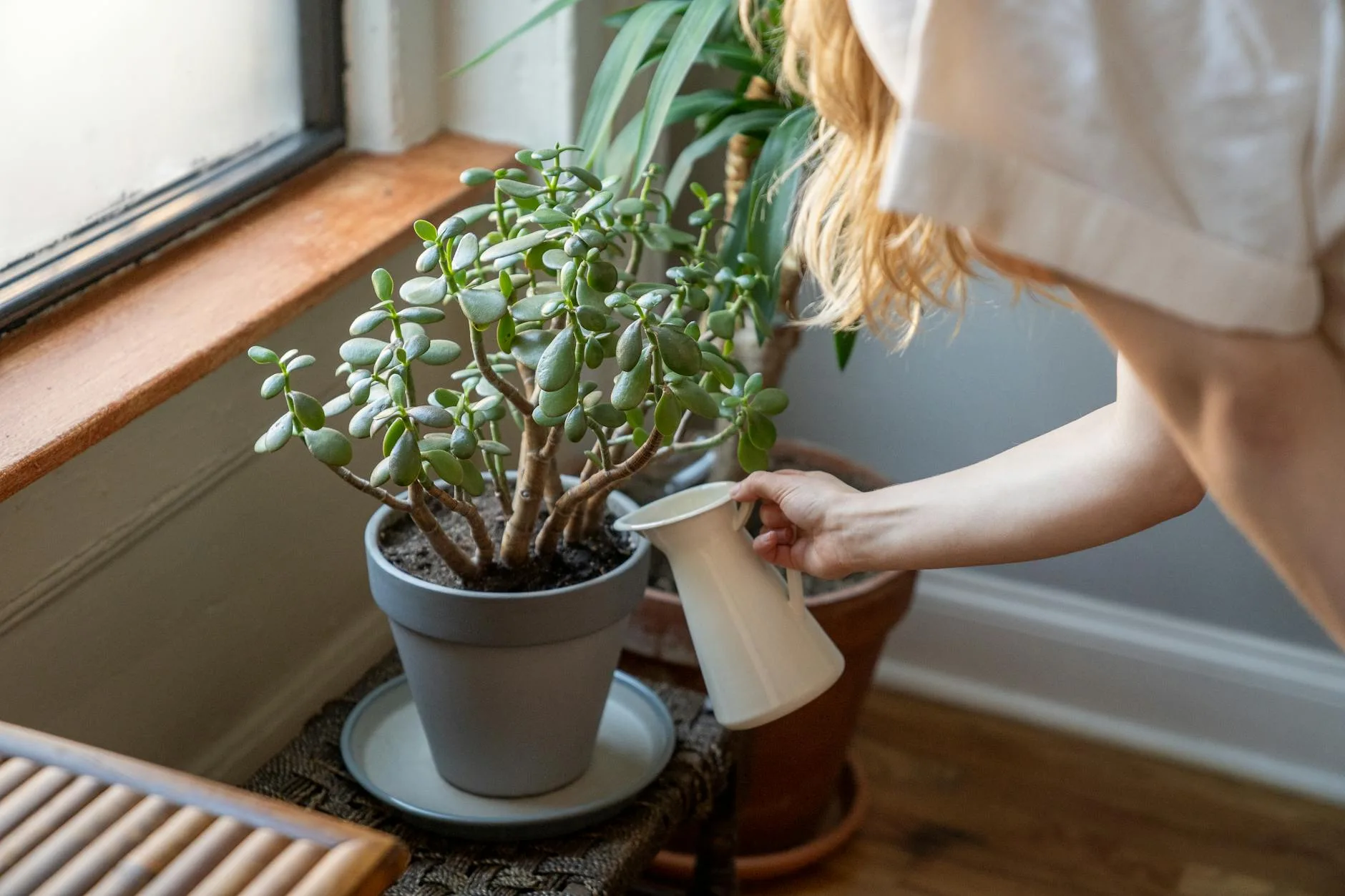
Overwatering kills more houseplants than anything else. Not underwatering — overwatering. When roots sit in soggy soil, they can’t breathe and they rot. By the time you notice the plant looking sad, the root system is already damaged.
The finger test
Forget watering schedules. “Water every 7 days” is terrible advice because it ignores soil type, pot size, light level, temperature, and season. Instead:
- Stick your finger about 2-3cm into the soil
- If it feels dry, water thoroughly until water drains from the bottom
- If it still feels damp, leave it and check again in a few days
- Empty the saucer underneath after 30 minutes — never let pots sit in standing water
That’s it. Once you trust this method instead of a calendar, your plant death rate will plummet.
How to water properly
When you do water, water thoroughly. Don’t just splash a bit on the surface — drench the soil until water runs freely from the drainage holes. This ensures the entire root ball gets moisture, not just the top layer. Then don’t water again until the soil has dried out to the appropriate depth.
Different plants, different needs
- Succulents and cacti — let the soil dry out completely between waterings. In winter, some go weeks without water
- Tropical plants (monstera, pothos, philodendron) — water when the top 2-3cm is dry
- Ferns — keep the soil consistently moist but never waterlogged
- Peace lilies — they’ll literally droop when thirsty, which makes them excellent at telling you what they need (they bounce back within hours of watering)
Soil and Potting Mix
Not all potting mix is equal, and using the wrong one is a common beginner mistake.
Why shop-bought soil often isn’t enough
Standard multipurpose compost from B&Q or garden centres retains a lot of moisture. That’s fine for garden beds but problematic for pots where drainage matters. Most houseplant owners benefit from amending their soil or buying specialist mixes.
Mix recommendations
- General houseplants — multipurpose compost mixed 70/30 with perlite (the white crunchy bits that improve drainage). A bag of perlite costs about £5-8 from garden centres
- Succulents and cacti — use a specialist cactus mix, or make your own: equal parts compost, perlite, and coarse sand (about £4-6 for a ready-made mix)
- Orchids — need orchid bark, not soil at all. Their roots need air circulation (orchid bark mix about £5-8)
- Aroids (monstera, philodendron, pothos) — a chunky mix of compost, perlite, orchid bark, and charcoal works brilliantly
Drainage is everything
Every pot needs drainage holes. Period. Those beautiful ceramic pots without holes? Use them as covers — put the plant in a plastic nursery pot with holes, and set that inside the decorative pot. After watering, lift the nursery pot out and let it drain before putting it back. This one habit prevents more root rot than anything else.
Humidity and Temperature
Most popular houseplants are tropical in origin, which means they like it warm and humid. UK homes in winter — with central heating drying the air — are the opposite of what they want.
Why humidity matters
Tropical plants evolved in environments with 60-80% relative humidity. The average UK home in winter sits around 30-40%. That gap is why calathea leaves go crispy at the edges, fern fronds turn brown, and peace lily tips go yellow. Understanding what humidity levels are healthy helps you find the right balance for both your plants and your home.
Increasing humidity
- Group plants together — they create their own microclimate through transpiration
- Pebble trays — fill a tray with pebbles, add water to just below the top of the pebbles, and place pots on top. The evaporation increases humidity around the plants
- Misting — controversial. It temporarily raises humidity but dries within minutes. Some plant people swear by it, others say it does nothing useful and can encourage fungal issues. I mist my calatheas daily in winter and they seem to appreciate it, but a humidifier is more effective
- Humidifiers — the nuclear option and by far the most effective. A decent one costs about £25-50 from Amazon UK or Argos. If you’ve got a collection of humidity-loving plants, a humidifier in the room makes all the difference. Choosing the right humidifier size for your space matters — too small and it won’t make a dent
Temperature
Most houseplants are happy at 18-24°C, which conveniently aligns with a comfortable room temperature for humans. Watch out for:
- Draughts — cold air from open windows or doors stresses tropical plants
- Radiators — heat rising from radiators directly below a windowsill can dry plants out rapidly
- Overnight temperature drops — if your heating switches off at night and the room drops below 12°C, move sensitive plants away from windows
Feeding Your Plants
Plants need nutrients, and potted plants exhaust their soil nutrients faster than those in the ground because there’s a finite amount of soil.
When to feed
Feed during the growing season — roughly April to September in the UK. Don’t feed in winter when most plants are dormant or growing very slowly; they can’t use the nutrients and excess fertiliser builds up in the soil, potentially burning roots.
What to use
- Liquid feed — most convenient. Dilute in water and apply when watering. Baby Bio (about £3-5 from any supermarket) or Westland houseplant feed work fine. Use at half the recommended strength — it’s almost impossible to under-feed, but easy to over-feed
- Slow-release pellets — sprinkle on the soil surface and they release nutrients over 2-3 months. Less fuss but less control
- Specialist feeds — orchid feed, cactus feed, and citrus feed exist for a reason. The NPK ratios (nitrogen, phosphorus, potassium) are balanced for those specific plants
Signs of nutrient deficiency
- Pale or yellowing leaves (especially older ones) — often nitrogen deficiency
- Poor growth despite good light and watering — likely needs feeding
- Purple or reddish tints on undersides of leaves — phosphorus deficiency
Repotting: When and How
Repotting isn’t about giving plants a bigger home for the sake of it. Some plants (like snake plants) actually prefer being slightly rootbound.
When to repot
- Roots growing out of drainage holes — clear sign the pot is too small
- Water runs straight through without soaking in — the roots have displaced most of the soil
- Growth has stalled despite good light and feeding — the plant may be rootbound
- It’s been 2+ years in the same pot — the soil is likely exhausted
How to repot
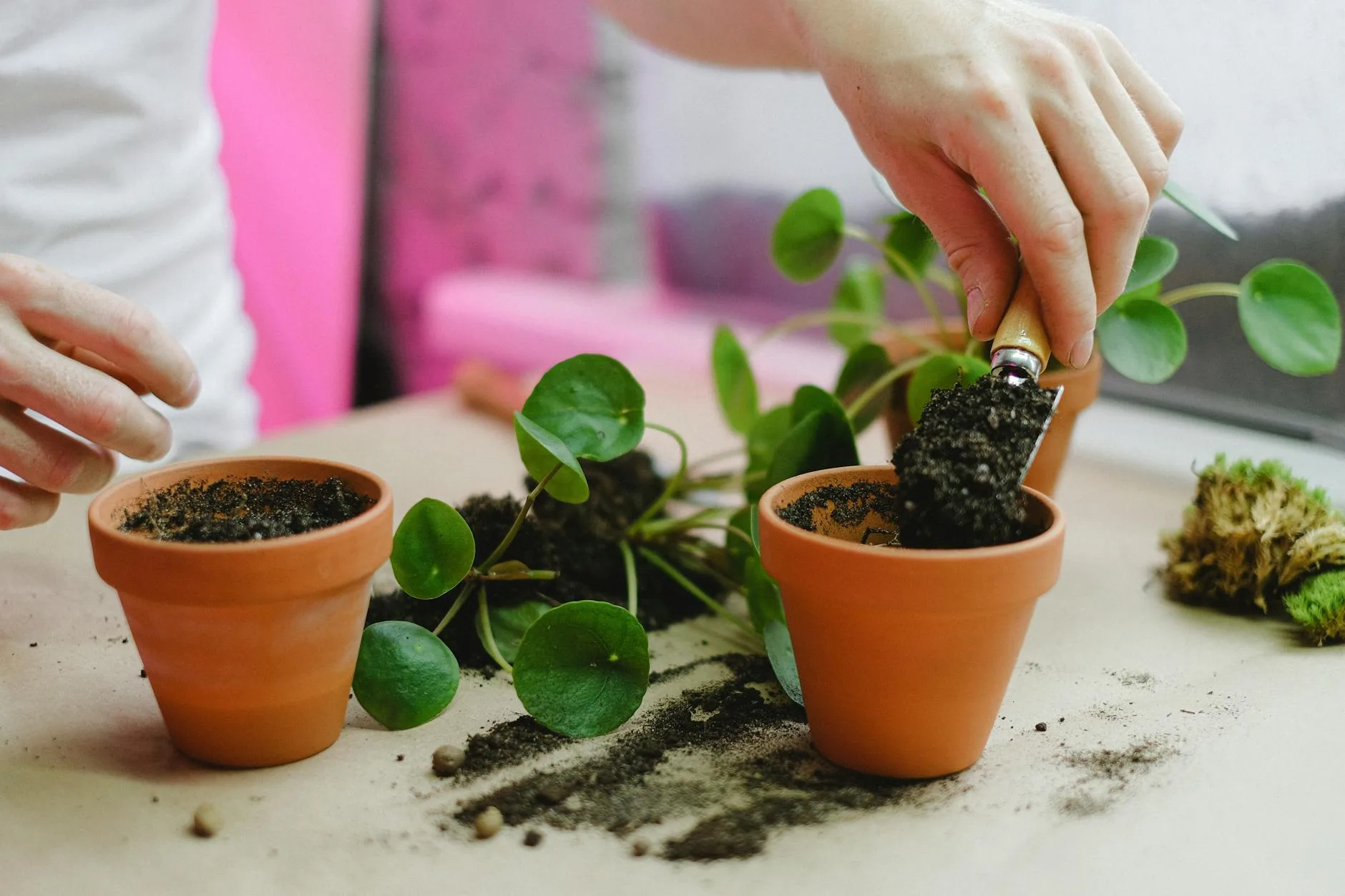
- Choose a pot only 2-3cm larger in diameter — going too big means too much wet soil around the roots, which leads to rot
- Water the plant a day before repotting to reduce transplant stress
- Gently ease the plant out of its old pot and loosen the outer roots with your fingers
- Add fresh potting mix to the bottom of the new pot
- Place the plant so the soil line sits about 1cm below the pot rim (for watering space)
- Fill around the sides with fresh mix, pressing gently to eliminate air pockets
- Water thoroughly and place in its usual spot — avoid direct sun for a few days while it recovers
Best time to repot
Spring (March-May) is ideal. The plant is entering its active growing season and will recover quickly. Avoid repotting in winter unless the situation is urgent (root rot, for instance).
Common Problems and How to Fix Them
Yellow leaves
The most common complaint, and frustratingly, it can mean almost anything:
- Overwatering — the most likely cause. Check soil moisture and reduce watering
- Underwatering — yes, the opposite can cause it too. The leaves will feel dry and crispy rather than soft and mushy
- Too much light — scorching can yellow leaves, especially newer growth
- Natural ageing — older lower leaves yellowing and dropping is normal. If it’s only one or two and the rest of the plant looks healthy, don’t worry
- Nutrient deficiency — if it’s been a long time since you fed or repotted
Brown leaf tips
Almost always a humidity issue. The NHS recommends keeping indoor humidity between 40-60% for human health too, so increasing humidity benefits everyone in the house. Other causes: fluoride in tap water (let water sit overnight before using), or fertiliser burn (flush the soil with plain water).
Pests
Houseplant pests are annoying but manageable:
- Fungus gnats — tiny flies around the soil. Caused by overwatering. Let the top layer dry out and use yellow sticky traps (about £3-5 for a pack from Amazon UK)
- Spider mites — tiny dots on leaf undersides with fine webbing. Mist regularly and wipe leaves. For bad infestations, neem oil spray (about £6-8)
- Mealybugs — white cottony clusters in leaf joints. Dab with rubbing alcohol on a cotton bud. Check thoroughly because they hide in crevices
- Scale — brown bumps on stems and leaves. Scrape off gently and treat with neem oil
Root rot
If your plant is wilting despite moist soil, root rot is likely. Take it out of the pot, trim any brown mushy roots with clean scissors, let the remaining roots dry for an hour, and repot in fresh, well-draining mix. Reduce watering going forward. Prevention is better than cure — proper drainage and not overwatering stops root rot before it starts.
The Best Beginner Houseplants
These are the ones I recommend to anyone starting out. They’re forgiving, widely available, and hard to kill:
Pothos (Devil’s Ivy)
Tolerates low light, drought, and neglect. Grows long trailing vines that look gorgeous on a shelf. Water when the top couple of centimetres feel dry. Available from almost any garden centre or supermarket for about £5-10. If you can kill a pothos, you might want to consider artificial plants (no judgement — we’ve all been there).
Snake Plant (Sansevieria)
Practically indestructible. Tolerates low light, infrequent watering, and temperature swings. Water once every 2-3 weeks. Comes in various sizes from tabletop to statement floor plants. About £8-25 depending on size from Ikea, B&Q, or online.
Spider Plant
Grows fast, produces baby plantlets you can propagate (free plants!), and is non-toxic to pets. Likes bright indirect light but tolerates medium. Water when the soil feels dry. One of the best starter plants because it visibly grows and gives you those satisfying baby spider plants to share with friends.
Peace Lily
Tells you when it’s thirsty by drooping dramatically, then perks right back up after watering. Produces elegant white flowers. Happy in medium to bright indirect light. Just keep it away from cats — it’s toxic if chewed.
ZZ Plant
Thrives on neglect. Seriously, this plant stores water in its thick stems and can go weeks without watering. Tolerates low light, dry air, and irregular care. Glossy dark green leaves look sleek and modern. About £10-20 from most plant shops.
Seasonal Care Tips
Spring and summer (growing season)
- Increase watering as days get longer and warmer — plants drink more when they’re actively growing
- Start feeding every 2-4 weeks from April
- Repot any plants that need it
- Move plants outside for some fresh air and natural rain (but acclimate gradually — don’t put a shade-loving plant in direct sun)
- Propagate — spring and early summer are the best times to take cuttings
Autumn and winter (dormant season)
- Reduce watering — growth slows, so plants need less. This is when most overwatering deaths happen because people keep watering at summer rates
- Stop feeding from October
- Move plants away from draughty windows and cold glass
- Increase humidity near radiators with pebble trays or a humidifier
- Clean leaves — dust blocks light. Wipe with a damp cloth every few weeks
- Maximise light — move plants closer to windows and rotate them regularly
Setting Up Your First Plant Collection
If you’re starting from scratch, here’s what I’d buy:
- One pothos for a shelf or hanging position (about £6-8)
- One snake plant for a corner that doesn’t get much light (about £12-15)
- One peace lily for a brighter spot (about £8-12)
- Perlite and multipurpose compost to mix your own potting soil (about £10 total)
- A watering can with a narrow spout for controlled watering (about £5-10)
Total outlay: about £40-50, and you’ve got a small collection that covers different care needs so you learn various techniques. Give yourself three months with these before adding anything more demanding.
Frequently Asked Questions
How often should I water my houseplants? There’s no universal schedule. It depends on the plant, pot size, soil type, light, and season. Use the finger test: stick your finger 2-3cm into the soil. Dry? Water thoroughly. Still damp? Wait. This simple check prevents the vast majority of watering-related plant deaths.
Can houseplants survive in a room with no natural light? Very few can survive long-term with zero natural light. Snake plants and ZZ plants tolerate very low light but will grow extremely slowly. If you want plants in a windowless room, invest in a grow light — even a basic LED grow bulb (about £10-15) screwed into a desk lamp makes a difference.
Why are the tips of my plant’s leaves turning brown? Usually low humidity, which is very common in UK homes during winter when central heating dries the air. Other causes include fluoride in tap water, overfertilising, or underwatering. Group your plants together, use pebble trays, or run a humidifier nearby.
Is tap water OK for houseplants? For most plants, yes. UK tap water is fine for the majority of houseplants. A few sensitive species — calatheas, carnivorous plants — prefer rainwater or filtered water because they’re sensitive to chlorine and fluoride. If you notice white mineral deposits on the soil surface, switch to filtered water or leave tap water sitting overnight before using.
Do houseplants really clean the air? NASA’s famous study showed certain plants can remove VOCs from indoor air, but in sealed laboratory conditions. In a real home with normal ventilation, the effect is modest. You’d need a huge number of plants to measurably change air quality. That said, plants contribute to a healthier indoor environment in other ways — they increase humidity, reduce stress, and simply make rooms more pleasant to be in.
If you are solving the same room problem, compare this with Best Indoor Herb Garden Kits 2026 UK, Best Indoor Plant Pots 2026 UK: Ceramic, Terracotta & Modern, Best Humidifiers for Plants 2026 UK: Tropical Houseplant Care.