Pet allergies are awkward because the source is also part of the family. You can buy a stronger air purifier, but you probably do not want the advice to end with ‘remove the pet from the home’. The honest answer is more useful: a good HEPA air purifier can reduce airborne pet dander, but it will not remove the allergen sitting in carpets, bedding, curtains and sofa fabric. I am treating this article as a pet-owner execution guide, not a repeat of our broader air purifiers and allergies explainer. The focus here is what actually helps when the allergen source is a cat, dog or other indoor pet.
In This Article
- Quick Answer
- What Pet Allergy Sufferers Are Reacting To
- How Air Purifiers Help with Pet Dander
- What Air Purifiers Cannot Fix
- Best Placement for Pet Allergies
- Which Filter Features Matter
- Pet Allergy Routine That Works with a Purifier
- When a Purifier Is Not Enough
- Choosing a Purifier for a Pet Home
- Cats, Dogs and Other Pets
- A Realistic Expectation Checklist
- Frequently Asked Questions
- The Verdict
Quick Answer
Yes, air purifiers can help with pet allergies if they use a true HEPA filter, are sized properly for the room, and run for long enough each day. They work best on fine airborne dander from cats and dogs, which can remain suspended for hours. They do not remove settled allergens from sofas, carpets, pet beds or your own clothing, so they need to be paired with cleaning, washing and sensible room boundaries. For most pet-allergy homes, I recommend a HEPA purifier in the main pet room, a pet-free bedroom, and a weekly cleaning routine that tackles soft furnishings.
What Pet Allergy Sufferers Are Reacting To
Pet allergy is often described as an allergy to hair, but that is not quite right. People usually react to proteins in skin flakes, saliva, urine and sebaceous secretions. Hair carries those particles around the home, but the hair itself is not the main issue.
Cat Allergens
The main cat allergen, Fel d 1, is tiny, sticky and easily airborne. It attaches to dust, fabric and clothing, which is why cat allergen can be found in homes, schools and offices where no cat lives. This is also why a purifier helps but rarely solves the whole problem. It catches airborne particles, not every particle stuck to a jumper or sofa cushion.
Dog Allergens
Dog allergens vary more by breed and individual animal, but the same principle applies: dander and saliva proteins become airborne, settle, and then get stirred up again. Larger dogs, heavy-shedding breeds and dogs allowed on sofas or beds tend to spread more allergen through the home.
Why ‘Hypoallergenic’ Is Misleading
Some breeds shed less hair, but no cat or dog is truly allergen-free. The NHS allergy advice at NHS allergies is clear that avoiding or reducing exposure to the trigger is central to management. A purifier is one exposure-reduction tool; it does not change the animal’s biology.
How Air Purifiers Help with Pet Dander
A HEPA purifier helps by pulling airborne dander and dust through a dense filter. This matters because the smallest allergen-carrying particles can stay airborne long enough to be inhaled.
HEPA Captures the Right Particle Sizes
True HEPA filters are designed to capture fine particles around and below the size range that carries pet allergen. That includes dander fragments, dried saliva particles and dust carrying allergen proteins. Our HEPA filter guide explains why the 0.3 micron rating is not the whole story; larger dander particles are generally easier to capture.
Continuous Running Beats Occasional Bursts
Pet allergen is produced all day, not just after grooming. A purifier running for 20 minutes after the dog walks in will not keep up with a pet that sleeps in the room for eight hours. I recommend continuous low or medium running in the main pet room, with a higher setting after brushing, vacuuming or shaking out blankets.
It Reduces Load, Not Sensitivity
A purifier reduces how much allergen you breathe in. It does not make you less allergic. That distinction matters because it sets expectations. If your symptoms trigger at a relatively low exposure level, the purifier may make a noticeable practical difference. If you are highly sensitive, it may reduce symptoms but still leave you needing medication or stricter pet boundaries.
What Air Purifiers Cannot Fix
The common disappointment comes from expecting air filtration to solve surface contamination.
Settled Dander in Fabric
Pet dander sticks to fabric. Sofas, curtains, carpets, rugs, pet beds and throws can hold allergen for weeks. When someone sits down, walks across the room or shakes a blanket, some of that allergen becomes airborne again. The purifier then catches part of it, but the surface reservoir remains.
Pet Hair on Floors and Furniture
Visible pet hair is usually too heavy for a purifier to capture before it settles. If the marketing image shows a purifier magically swallowing clumps of hair from across the room, be sceptical. For hair, you need brushing, lint rollers, washable covers and a vacuum with good filtration.
Allergens on Clothing and Bedding
If a pet sits on your lap and you then go to bed in the same clothes, the bedroom purifier is starting from a losing position. Clothing transfer is one of the quiet ways pet allergen spreads into supposedly pet-free rooms.
Best Placement for Pet Allergies
Placement matters more with pets because the source moves around.
Main Pet Room First
Put the purifier in the room where the pet spends most of its indoor time. If the dog sleeps beside the living-room sofa, place the purifier nearby with clear airflow. If the cat has a favourite chair, put the purifier on the same side of the room, but not so close that fur blocks the intake.
Good pet-allergy placement usually means:
- Near the pet’s regular resting area, not hidden behind furniture
- 30-60cm clearance around the intake vents
- Outlet facing into open room space
- A washable pet bed or blanket nearby to concentrate dander
- No direct contact with loose fur, bedding or curtains
Bedroom Strategy
The most effective bedroom strategy is keeping the pet out. A purifier in a bedroom where the cat sleeps on the duvet is helpful, but the cat-free version of that room would be much better. If pet access to the bedroom is non-negotiable, run the purifier before bed and overnight, wash bedding more often, and use a washable throw where the pet lies.
Open-Plan Spaces
In open-plan kitchens and living rooms, one purifier may struggle if the space is large. Place it in the seating zone rather than the kitchen zone, unless cooking smoke is also a problem. For bigger spaces, check room coverage properly. Our live guide on choosing an air purifier for a large room explains why undersized units disappoint.
Which Filter Features Matter
Pet-allergy marketing is full of extras. Some help; some are mostly decoration.
True HEPA Is the Main Requirement
Look for true HEPA, ideally H13 or equivalent, not ‘HEPA-type’. For pet dander, the filter is the feature. If the unit does not have a proper particle filter, it is not the right tool.
Carbon Helps Odours, Not Dander
Activated carbon can reduce pet odours, litter tray smells and some VOCs. It does not replace HEPA because odour molecules and allergen particles are different problems. I like carbon as a comfort feature in pet homes, but I would not buy a purifier for allergies based on carbon alone.
Pre-Filters Are Valuable with Pets
A washable or vacuumable pre-filter catches larger dust and fur before it reaches the HEPA filter. In a pet home, this can extend filter life and keep airflow stronger. If I were choosing between two similar purifiers, I would favour the one with an easy-clean pre-filter.
Avoid Ozone-Producing Features
Ionisers and ozone generators are not necessary for pet allergies. The US Environmental Protection Agency warns about ozone generators sold as air cleaners at EPA ozone generator guidance. In a UK family home, I would keep pet-allergy filtration simple: HEPA, optional carbon, no ozone.
Pet Allergy Routine That Works with a Purifier
The purifier does the airborne part. The routine handles the source and surfaces.
Daily Habits
Small daily habits make the purifier’s job easier:
- Run the purifier continuously in the main pet room
- Keep pets off pillows and bedding
- Wash hands after stroking pets before touching your face
- Brush pets outdoors where practical
- Use washable throws on sofas and pet resting spots
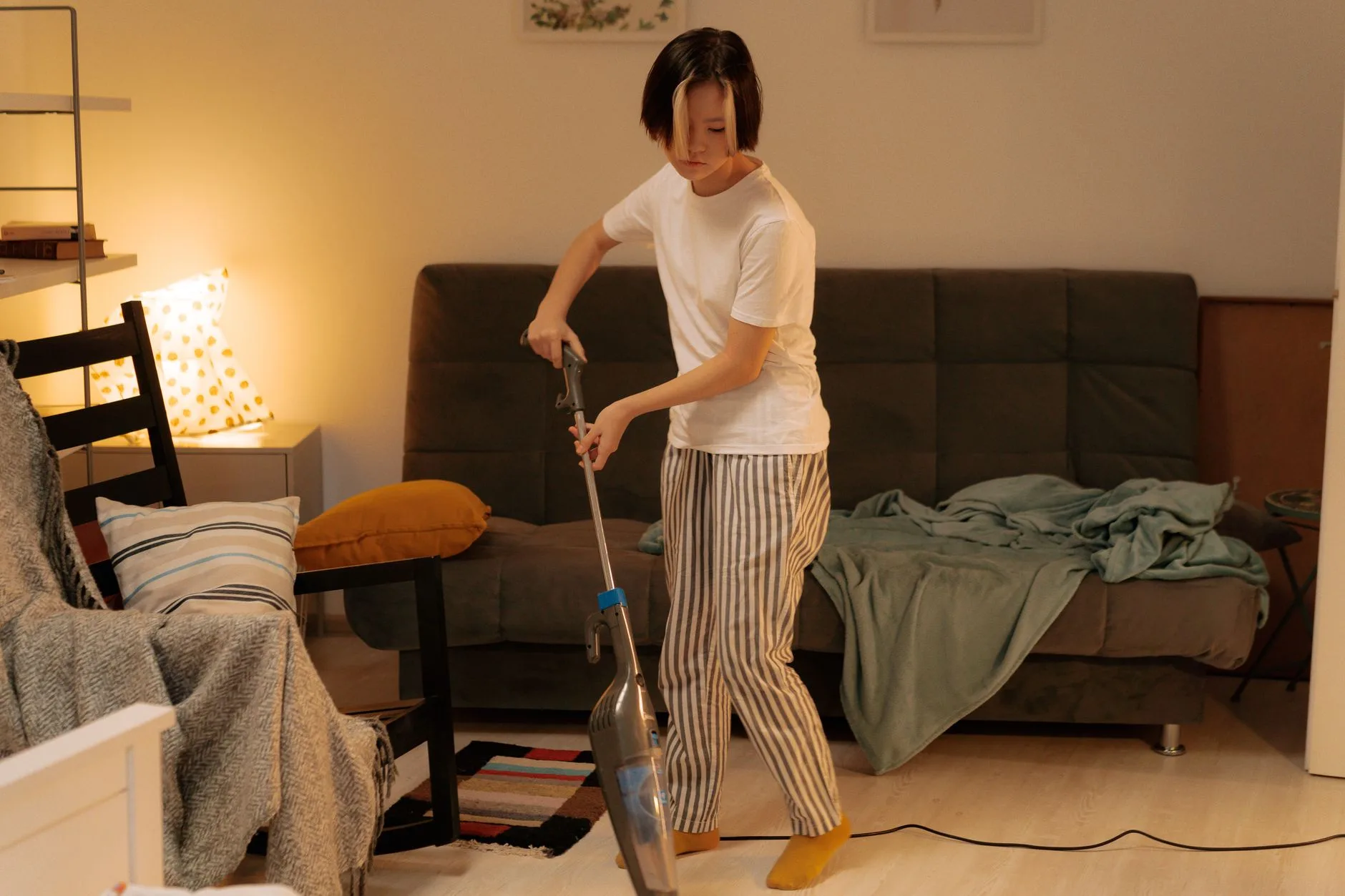
Weekly Cleaning
Once a week, clean the areas that keep re-seeding the air:
- Vacuum carpets, rugs and sofa cushions with a HEPA-filtered vacuum.
- Wash pet blankets, sofa throws and bedding on the warmest safe setting.
- Wipe hard floors with a damp mop rather than dry sweeping.
- Vacuum or rinse the purifier pre-filter if the manufacturer allows it.
- Check the HEPA filter indicator and replace filters on schedule.
Room Boundaries
The bedroom boundary is the one I would defend hardest. People often try three gadgets before trying the one behavioural change that helps most. A pet-free bedroom plus a HEPA purifier in the pet’s main room is usually stronger than two purifiers and no boundaries.
When a Purifier Is Not Enough
There are situations where a purifier is worth having but not enough by itself.
Severe Symptoms
If pet exposure triggers wheezing, chest tightness, severe eczema or asthma symptoms, treat that as a medical issue, not a shopping problem. Speak to a GP or allergy specialist. The purifier may reduce exposure, but it should not be used as a reason to ignore symptoms.
Multiple Pets
Two cats and a dog produce more allergen than one small dog. You may need more than one purifier, stricter cleaning and clearer room boundaries. One compact unit in the corner of a busy living room is unlikely to keep up.
Old Carpets and Heavy Soft Furnishings
Carpets, curtains and fabric sofas act like reservoirs. If symptoms remain bad despite filtration, the next improvement may be washable blinds, hard flooring, removable sofa covers, or replacing a pet bed that has become a dander sponge.
Choosing a Purifier for a Pet Home
If you are buying from scratch, compare room size, CADR and filter costs in our best air purifiers UK guide before paying extra for smart features that do not improve dander capture.
The right purifier for pet allergies is not always the one with the most dramatic marketing. You need enough airflow, a proper filter system and maintenance that you will actually keep doing.
Size the Unit Generously
Pet homes benefit from a purifier that can clean the room several times per hour on a realistic fan speed. Many manufacturers quote coverage on maximum speed, which can be too loud for daily use. If your living room is 25m2, I would rather buy a purifier rated comfortably above that size than one that only just claims to cover it on turbo mode.
Check Filter Costs Before Buying
Pet dander loads filters faster than a low-dust home. Before buying, check the replacement HEPA filter price and how often the brand expects you to change it. A cheap purifier with expensive proprietary filters can become poor value after the first year. Our air purifier running costs guide covers the electricity and filter-cost side in more detail.
Look for Easy Pre-Filter Access
This is boring but important. In a pet home, the pre-filter may need vacuuming every week. If removing it is fiddly, you will put it off. I prefer purifiers where the outer grille or pre-filter can be cleaned without dismantling half the machine.
Noise Matters More Than App Features
The purifier needs to run for hours, so noise matters more than app controls. A quiet medium setting is more useful than a loud high setting you never use. For bedrooms, check the sleep-mode airflow as well as the decibel figure; some sleep modes are so gentle that they are more like night lights than air cleaners.
Cats, Dogs and Other Pets
Different pets create different practical problems, even though the filtration principle is similar.
Cats
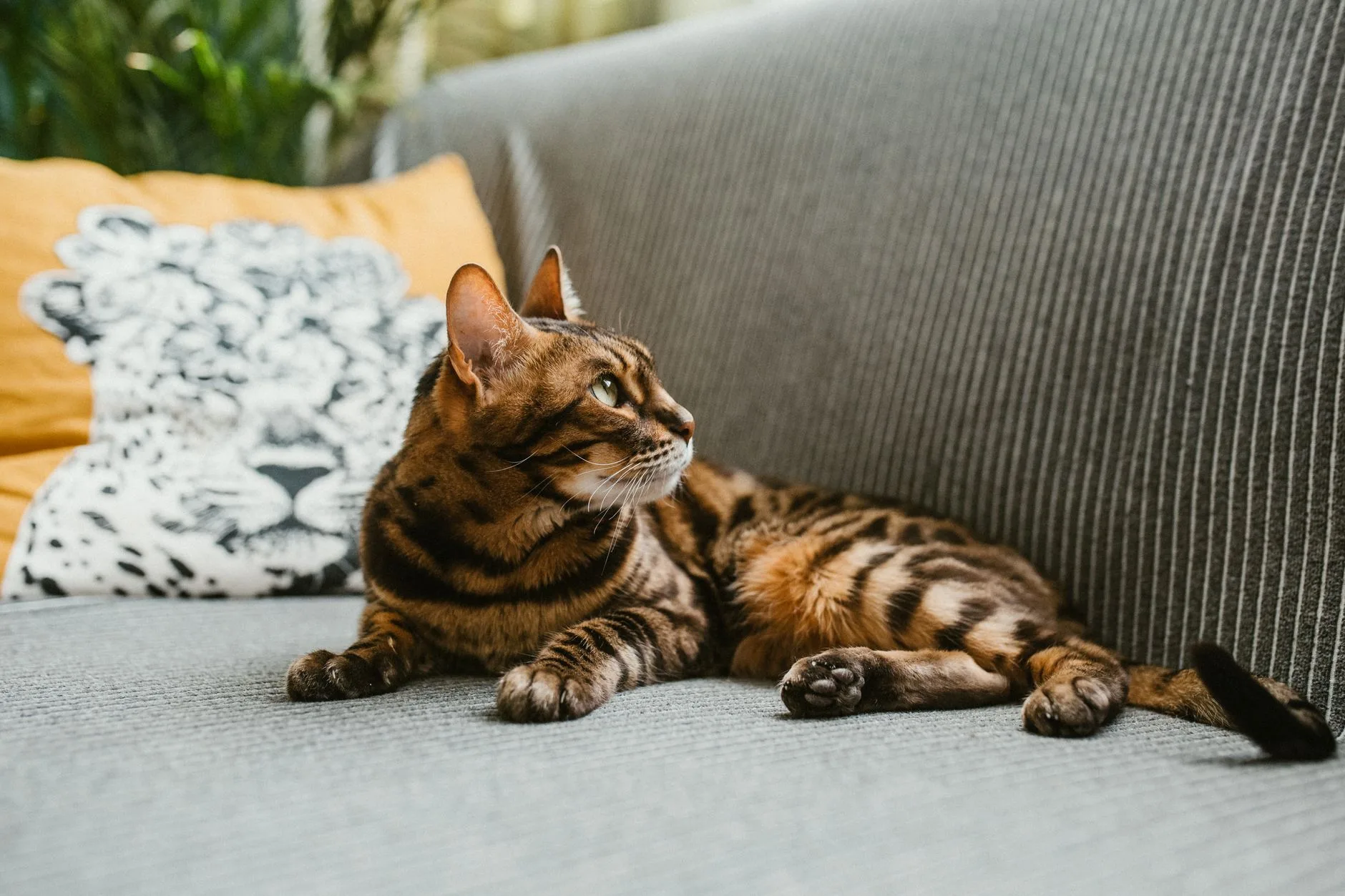
Cat allergen is especially persistent and lightweight. It spreads easily through clothing, soft furnishings and dust. For cat homes, I would prioritise a pet-free bedroom, washable throws on favourite chairs, and continuous purification in the living room. If the cat sleeps on the bed, the purifier is fighting a constant local source right next to your face.
Dogs
Dogs often bring in outdoor pollen, mud and dust as well as producing their own dander. Placement near the dog’s bed or usual sofa spot makes sense, but doorways and halls can matter too if the dog comes in from the garden several times a day. Wiping paws and brushing outdoors can reduce the load before the purifier has to deal with it.
Small Pets
Rabbits, guinea pigs and other small pets can add dander, bedding dust and hay particles. A purifier can help if it is placed near the enclosure but not so close that bedding blocks the intake. Avoid blowing clean-air output directly at a cage; the aim is room air circulation, not a draught across the animal.
A Realistic Expectation Checklist
Before spending more money, it helps to decide what success would look like. A purifier is doing its job if symptoms reduce, sleep improves, dust levels fall, or the room feels less stale. It has not failed just because symptoms do not disappear completely.
Use this checklist after two weeks:
- Morning sneezing or congestion is less frequent
- You sleep better in the room where the purifier runs
- Dust build-up near the pet’s resting area is lower
- The pre-filter collects visible fluff or dust between cleans
- You need high fan speed less often because baseline air feels cleaner
If none of those changes happen, check three things before blaming the purifier: room size, placement and filter condition. An undersized unit in a corner with a clogged pre-filter will disappoint even if the HEPA filter is technically good.
Frequently Asked Questions
Do air purifiers really help with pet allergies? Yes, they can reduce airborne pet dander when they use a true HEPA filter and run for long periods. They work best alongside cleaning and pet-free sleeping areas.
Will an air purifier remove pet hair? Not reliably. Pet hair is usually too heavy to stay airborne. Use brushing, vacuuming and washable covers for hair; use the purifier for fine airborne dander.
Where should I put an air purifier with pets? Put it in the room where the pet spends the most time, near but not touching the pet bed, sofa or main resting area. A second unit in the bedroom can help if symptoms are worse overnight.
Are HEPA filters best for pet dander? Yes. A true HEPA filter is the key feature for pet dander because it captures fine allergen particles. Carbon filters help with odours but are not a substitute for HEPA.
Can I keep a cat or dog if I am allergic? Some people can manage mild symptoms with cleaning, room boundaries, medication and HEPA filtration, but severe allergies need medical advice. A purifier reduces exposure; it does not make a pet hypoallergenic.
The Verdict
Air purifiers do help with pet allergies, but only when used as part of a pet-allergy system. Buy or use a true HEPA purifier, place it in the main pet room, keep the bedroom as clean as you realistically can, and attack the fabric surfaces that keep putting dander back into the air. That combination is far more useful than expecting a purifier alone to make a cat or dog allergy disappear.