For recirculating vs vented cooker hoods, a vented model is usually the better choice when a suitable route outdoors is practical: it carries the captured cooking air, including moisture, out of the kitchen. A recirculating hood can reduce grease and some odours, but it returns the air and water vapour to the room. The decision is therefore as much about the kitchen’s wider ventilation as it is about the hood.
In This Article
- Recirculating vs Vented Cooker Hoods: The Short Answer
- What Each Hood Actually Does to Kitchen Air
- Moisture, Grease, Odours and Cooking Pollutants
- The UK Ventilation Rules to Check Before Choosing
- Can Your Kitchen Take a Vented Hood?
- Running Noise, Filters and Ongoing Care
- Common Switching and Installation Mistakes
- Which Type Should You Choose?
- Frequently Asked Questions
Recirculating vs Vented Cooker Hoods: The Short Answer
Choose venting when there is a sensible outside route
For most households able to install it properly, a hood that extracts outdoors wins. It captures the plume above the hob and sends it beyond the building rather than asking filters to handle everything. That matters when you boil pans of water, fry food regularly or use a gas hob. The advantage is real only if the duct, outlet and replacement-air provision are designed for the actual kitchen. A hood connected to a long, crushed or unsuitable duct can perform poorly despite the word “vented” on its box.
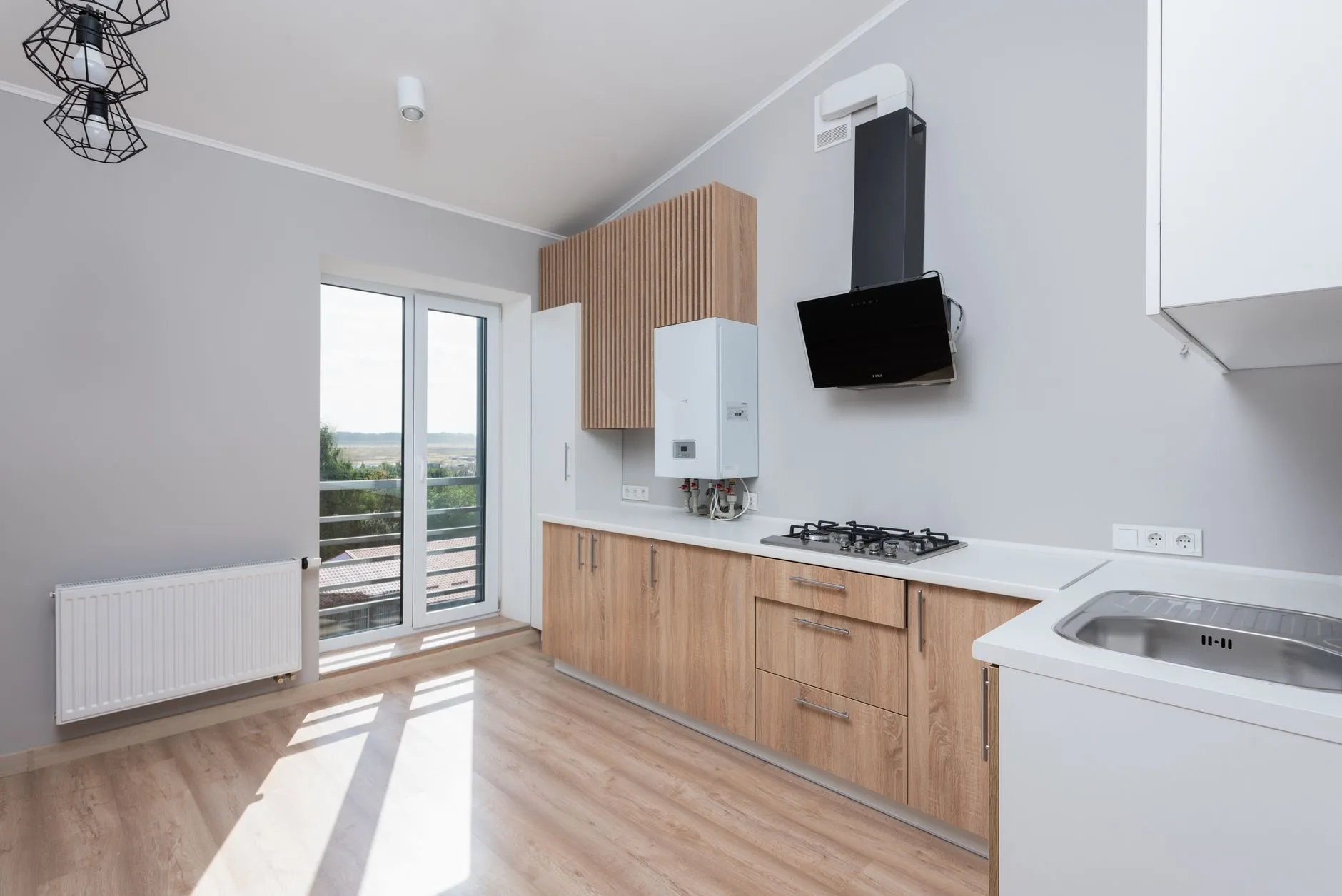
If you are replacing a hood, first establish what the existing one does. A visible grille in a wall is only a clue: follow the duct route or have an installer check it. Some hoods are sold as dual-mode units and ship configured for recirculation. The same casing can behave very differently depending on its outlet, filters and installation.
Choose recirculation when ducting is genuinely impractical
A recirculating hood can be the sensible choice in a rented flat, an internal kitchen, or a layout where a compliant external duct route is disproportionately difficult. It still needs the correct grease and odour filters, correctly fitted and maintained. More importantly, a separate route for moisture and stale air must be considered. A recirculating hood is a filtering appliance; where the home requires outdoor extraction, the filter loop cannot replace it.
The practical answer is therefore conditional: vent outdoors if a competent installation is feasible; use recirculation only with an adequate kitchen ventilation strategy. If that strategy is unclear, get the applicable local guidance and professional assessment before removing an existing external extractor. Our broader guide to home ventilation covers room-wide habits; this article stays with the hood decision.
What Each Hood Actually Does to Kitchen Air
The path through a vented hood
A vented hood draws air from above the hob, passes it through a grease filter and discharges it outside through a duct and terminal. The fan creates the air movement; the filter protects the fan and duct from grease. Because the discharged air leaves the dwelling, moisture and substances that pass through the filter leave with it. Replacement air still has to enter the kitchen or home. Otherwise the fan can struggle against an airtight room, and extraction may fall short of the design expectation.
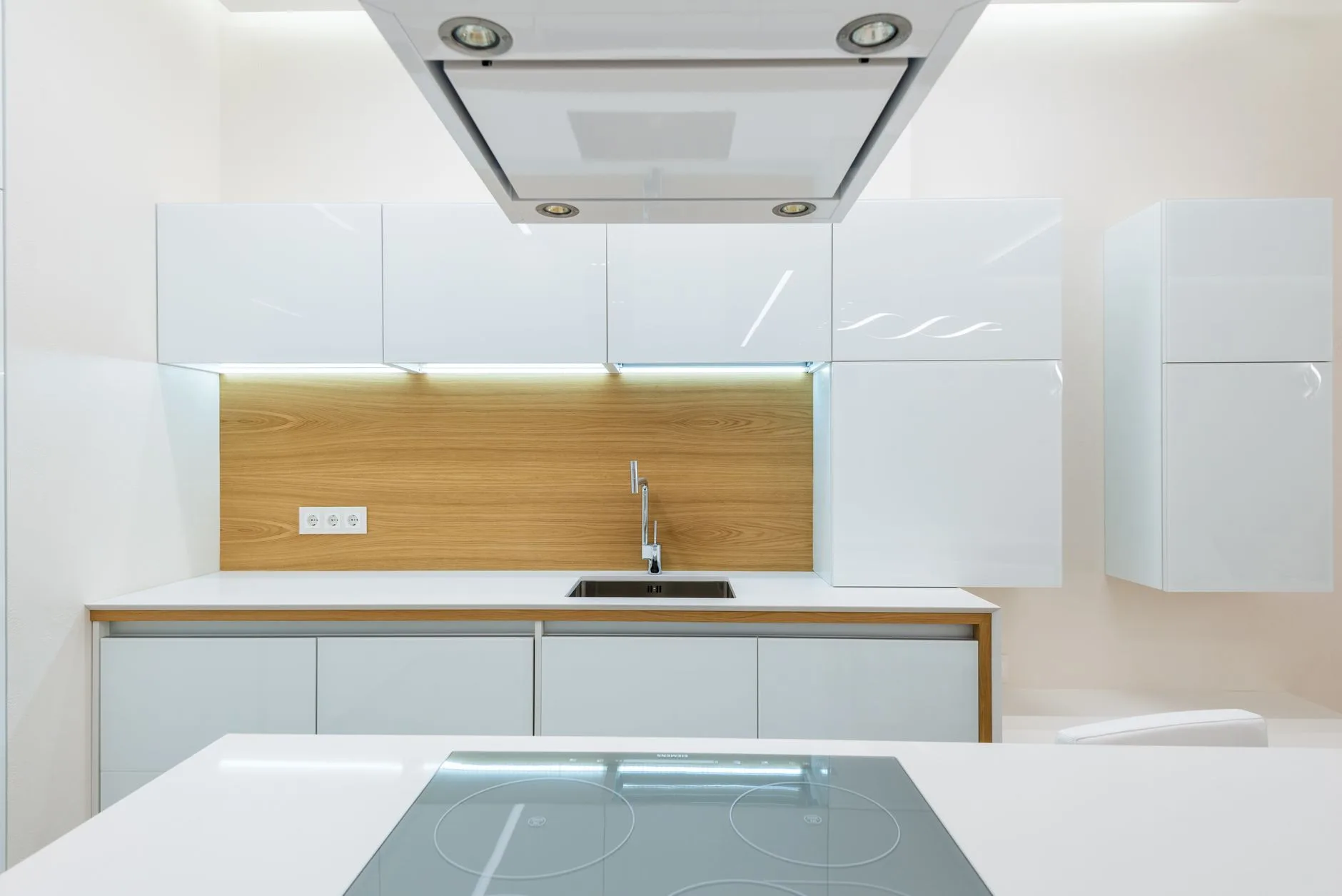
Capture is distinct from a catalogue airflow number. Steam rising from a rear ring close to a sufficiently wide hood is easier to intercept than a plume from a front pan beyond its edge. A broad hood, sensible mounting height and usable fan setting may matter more in daily life than a high free-air figure measured away from an installed duct. Use the hood’s own installation instructions for mounting, clearances and compatible ducting. A gas appliance or an open-flued combustion appliance adds safety considerations that an online comparison cannot settle.
The path through a recirculating hood
A recirculating hood draws air through a grease filter and usually an activated-carbon odour filter, then blows it back into the kitchen. The grease stage catches some oily droplets. The carbon stage can reduce certain smells and gases for a period, depending on filter design, condition and the cooking load. The air loop remains indoors. Steam from a simmering pan can still condense on a cold window or wall even while the hood sounds busy.
Check whether the specified carbon filter is actually installed. Some units need a separate kit for recirculation; others have a washable grease filter but a replaceable carbon cartridge. Fitting a generic pad that happens to fit the space leaves the manufacturer’s intended performance uncertain. See the maker’s model instructions for filter type, orientation and replacement interval. The principles behind particulate and carbon filtration are also explained in our HEPA versus activated-carbon guide, although a cooker hood is a different appliance from an air purifier.
Moisture, Grease, Odours and Cooking Pollutants
Moisture makes the biggest practical difference
A pan of boiling water sends water vapour into the room. A vented hood can carry captured vapour outdoors. A recirculating model cannot remove that water by sending the filtered air back into the room. If a kitchen has persistent condensation after cooking, choose a ventilation remedy that actually exchanges air with outdoors. Wiping a window deals with the result, not the moisture source. Our guide to stopping window condensation explains why the coldest surfaces tend to show the problem first.
Neither hood captures every wisp. Start the fan before the pan produces a heavy plume, use the rear burners when practical, and leave the fan running briefly after cooking according to its manual. Closing a pan lid can reduce released steam at source. In an open-plan room, a poorly placed hood may let the plume spread into the living area before capture. A separate extract fan may then have a different role from the hood.
Grease and smells are filter-dependent
Both types normally use grease filtration. A vented system still needs its filter cleaned so grease does not accumulate in the fan and duct. A recirculating system depends on that filter plus a correctly maintained carbon stage for odours. Turning up the fan cannot restore a saturated carbon filter. Food smells may linger even with a clean filter; performance varies with the cooking method and filter design.
Cooking also generates fine particles, and gas cooking introduces combustion by-products. The wider list of indoor pollutant sources shows why filtration claims need careful interpretation. Our existing cooking and indoor air-quality primer explains those sources in detail. For this choice, the point is narrower: a vented hood provides a route out for the air it captures; a recirculating model’s effect depends on its filters, while uncaptured and unfiltered components remain indoors. A charcoal filter gives no guarantee of complete cooking-pollution removal.
The UK Ventilation Rules to Check Before Choosing
England: read the edition that applies to your work
In England, Approved Document F Volume 1 gives guidance for ventilation in dwellings. Its 2021 edition distinguishes a cooker hood extracting outdoors from a hood that returns air indoors when describing intermittent kitchen extraction. The latter case calls for a separate extraction arrangement in its example. The English government guidance page links to the applicable earlier document and explains that editions depend on the building-work date and transitional provisions. A 2026 edition has also been published, but its own introductory page says it takes effect for most relevant work on 24 March 2027. Apply the edition in force for the project date, subject to transitional rules.
These documents guide building work; they do not require universal replacement of existing hoods. The 2021 document also discusses retaining or replacing existing extraction during kitchen refurbishment. A like-for-like filter change, a new external wall penetration, and a full kitchen renovation can raise different questions. The building-control body or a qualified installer can assess the particular dwelling, its existing system and any combustion appliances. Avoid treating a retailer’s “extraction rate” as a certificate of compliance.
Wales, Scotland and Northern Ireland have their own guidance
Each UK nation has its own domestic ventilation guidance. The Welsh Government’s Approved Document F page carries its current volume and a separately labelled future dwelling edition taking effect in March 2027. Scotland’s April 2026 domestic technical handbook sets out ventilation guidance under Standard 3.14; Northern Ireland’s Department of Finance publishes Technical Booklet K. Check the current edition for the nation and building-work circumstances rather than lifting an English figure into a different jurisdiction.
Across these documents, the useful distinction remains physical: a recirculating hood does not itself extract kitchen air outside. A separate fan or wider designed ventilation system may satisfy the home’s needs, but the answer depends on its actual design and operation. If an existing wall or ceiling fan is present, establish where it discharges and whether the proposed hood change affects the overall strategy. Where an open-flued appliance shares the space, extraction may interact with its safe operation; obtain specialist advice rather than assuming a stronger fan is always harmless.
Can Your Kitchen Take a Vented Hood?
Examine the route, not just the nearest wall
A vented hood needs a compatible route from the hood outlet to outdoors. The obvious external wall may be behind cabinets, a structural element, a neighbour’s property or a protected facade. An island hood may require a ceiling route. A long or convoluted run introduces resistance; bends, narrow reductions and a poor outlet can also restrict airflow and increase noise. The maker’s duct diameter, run and terminal instructions are the starting point. An installer can assess the complete route rather than promise performance from a sketch.
In a flat, permission from a landlord, freeholder or managing agent may be necessary before making an external opening. Planning and building constraints vary by building. A renter needs permission before altering a facade; a flexible hose through a partly opened window is a poor permanent substitute. That arrangement may create a cold, insecure opening and may not match the hood’s installation instructions.
Consider air supply and other ventilation
Extracted air has to be replaced. In a draughty older house, this can go unnoticed; in a tight dwelling, a fan may operate against significant resistance. Keep existing background ventilators open when operating the hood. If a kitchen already has mechanical ventilation or a whole-home system, a new hood should be considered alongside it. The right answer may be a coordinated design rather than the largest motor available.
A useful pre-installation checklist is:
- Confirm the route: identify an actual external terminal and all bends between it and the hood.
- Check the appliance manual: confirm duct size, clearances and whether the model supports the intended mode.
- Identify existing extraction: record the current wall, ceiling or whole-home ventilation system before removing anything.
- Check permissions: ask the relevant owner or managing body before altering the building fabric.
- Flag combustion appliances: have the installer assess any gas or open-flued equipment in the affected space.
This checklist frames the decision. Electrical work, penetrations, fire separation and appliance clearances call for competent assessment in the particular home.
Running Noise, Filters and Ongoing Care
A quieter specification may be louder in practice
Noise figures are usually measured under defined conditions, while your kitchen includes duct bends, cabinets and hard surfaces. A vented hood with an unsuitable restrictive route may whistle or need a higher setting. A recirculating model can also sound prominent when filters are dirty or air returns through a narrow outlet. Compare noise at settings you would actually use, not just the lowest advertised speed. If the only tolerable setting fails to catch the plume, the nominal fan capacity is beside the point.
During a normal cooking session, run the hood early enough to capture the rising air and keep it running for a short period after the hob is off if its instructions recommend it. A lid on a pan often does more to reduce steam than another fan setting. Wipe accessible grease from the outside; follow the manual before removing a filter or cleaning around an electrical part.
Budget for the filter that the mode requires
Grease filters need periodic cleaning in both arrangements. Many metal filters are washable, but the maker’s directions decide how. Recirculating hoods usually have an additional carbon-filter replacement cost. Filter life varies with cooking frequency and the specific cartridge; a blanket “every few months” claim can mislead. Some filters are regenerable under precise instructions; others are disposable. Verify the model’s actual replacement part and interval before choosing it, especially for a discontinued hood.
A vented hood’s duct and external terminal also need attention if grease deposits, obstruction or a stuck flap compromise flow. Maintenance is part of the decision, but the basic comparison remains: filter upkeep cannot give a recirculating unit a route to remove humidity. If your main complaint is condensation, investigate extraction and moisture control rather than buying a more expensive carbon cartridge.
Common Switching and Installation Mistakes
Replacing a vented hood with recirculation without checking the room
This is the consequential mistake. A kitchen that currently relies on a hood exhausting outdoors may lose its principal local extraction if the replacement returns air indoors. Identify the existing duct and any separate extract before ordering. During refurbishment, check the relevant nation’s current guidance and the building’s design with an installer.
Assuming a convertible hood is configured correctly
A dual-mode model can require a different internal setting, outlet blanking or filter kit depending on mode. If a vented unit is installed with its discharge still directed into a cabinet void, the problem is more than disappointing odour control. Likewise, a recirculating installation without the specified carbon filters may mostly move air and grease. Have the installer demonstrate the route and show the fitted filters before the cabinetry closes.
Letting the duct erase the advantage
A flexible duct crushed behind a cupboard, an undersized reducer, or too many sharp turns can waste the potential of an outdoor-extracting hood. Use the manufacturer’s specified components and competent installation. Afterward, ask for a practical demonstration with the fan running and check that the outdoor terminal operates. A tissue held near a grille is only a crude indication of movement, not a measured compliance test.
Which Type Should You Choose?
For an owner with an external route
Choose a properly designed vented hood. It deals with the widest set of captured cooking by-products, especially water vapour, and reduces reliance on consumable carbon filtration. Make the duct route and existing ventilation part of the specification from the outset. A modest hood with a sound installation is a better proposition than a powerful one venting through an improvised run.
For a renter or a difficult flat
A recirculating hood may be the realistic option, provided the kitchen has an adequate separate way to remove moist air. Check the filters actually supplied, their ongoing availability and the landlord’s rules. If condensation and damp persist, report the ventilation problem; a filter swap leaves water vapour in the room. If a building already has a designed whole-home system, ask how the hood should operate alongside it before changing settings or adding another extractor.
The bottom line is simple: vent outdoors where a competent, permitted route exists; recirculate only as part of a broader ventilation plan. The hood’s name alone cannot settle a building-regulations question, and neither mode rescues a fan that is incorrectly installed or seldom used.
Frequently Asked Questions
Does a recirculating cooker hood remove steam? It can capture and redistribute the air around a steaming pan, but its normal filters do not remove the water vapour from the dwelling. Separate outdoor ventilation handles that moisture.
Is a vented cooker hood always better? It is generally the stronger air-removal choice when it is correctly installed and operated. A poor duct route or an unsuitable building arrangement can undermine that advantage, so the whole installation matters.
Can I convert a recirculating hood to vent outside? Some models support both modes. Check the exact model instructions for the correct duct connection, settings and filter arrangement, then have the proposed route assessed.
Do I still need a carbon filter with a vented hood? Usually the grease filter remains important, while carbon filtration is associated with recirculation. Follow the exact manufacturer’s instructions because convertible models vary.
Does opening a window replace a kitchen extractor? A window can help clear air, but it does not provide the same controlled capture at the hob. For building work, assess the applicable nation’s ventilation guidance and the home’s existing system.
Who should check the regulations for my kitchen? The person responsible for the building work and a competent installer or designer should use the current guidance for the relevant UK nation and project dates. Ask building control where the case is uncertain.