Your monstera is doing that thing again — brown edges on the new leaf, crispy tips curling inward, and the calathea next to it has given up entirely and gone full crunch. You have been watering correctly, the light is fine, and the temperature is reasonable. The problem is almost always humidity. UK homes in winter sit at about 30-40% relative humidity, and most tropical houseplants want 50-70%. A humidifier fixes the gap.
This guide covers the best humidifiers for plants in the UK for 2026, specifically chosen for keeping tropical houseplants happy. Not the bedroom humidifier you run for a sore throat — the kind that puts out enough moisture, in the right way, to stop your fiddle leaf fig from throwing a tantrum every time the central heating comes on.
In This Article
- Why Tropical Houseplants Need a Humidifier in the UK
- What Humidity Level Do Houseplants Need?
- Types of Humidifier and Which Suits Plants Best
- What to Look For in a Plant Humidifier
- Best Humidifiers for Plants 2026 UK
- Budget Options Under £30
- Where to Place Your Humidifier for Plants
- Common Mistakes With Plant Humidifiers
- Humidifier Alternatives That Work (And Ones That Don’t)
- Maintenance: Keeping Your Humidifier Clean
- Frequently Asked Questions
Why Tropical Houseplants Need a Humidifier in the UK
The Central Heating Problem
Tropical plants evolved in rainforests where humidity hovers between 60-90%. Your terraced house in January, with the radiators on and the windows sealed, runs at roughly 30-35%. That is drier than the Sahara on some days — not an exaggeration, the Sahara averages about 25% relative humidity, and your living room is not far off when the boiler is working overtime.
The Royal Horticultural Society recommends increasing humidity around tropical houseplants, particularly in heated rooms during winter. Misting with a spray bottle is the most commonly suggested fix, but it raises humidity for about 15 minutes before evaporating. A humidifier provides consistent, sustained moisture that actually makes a difference.
Which Plants Suffer Most
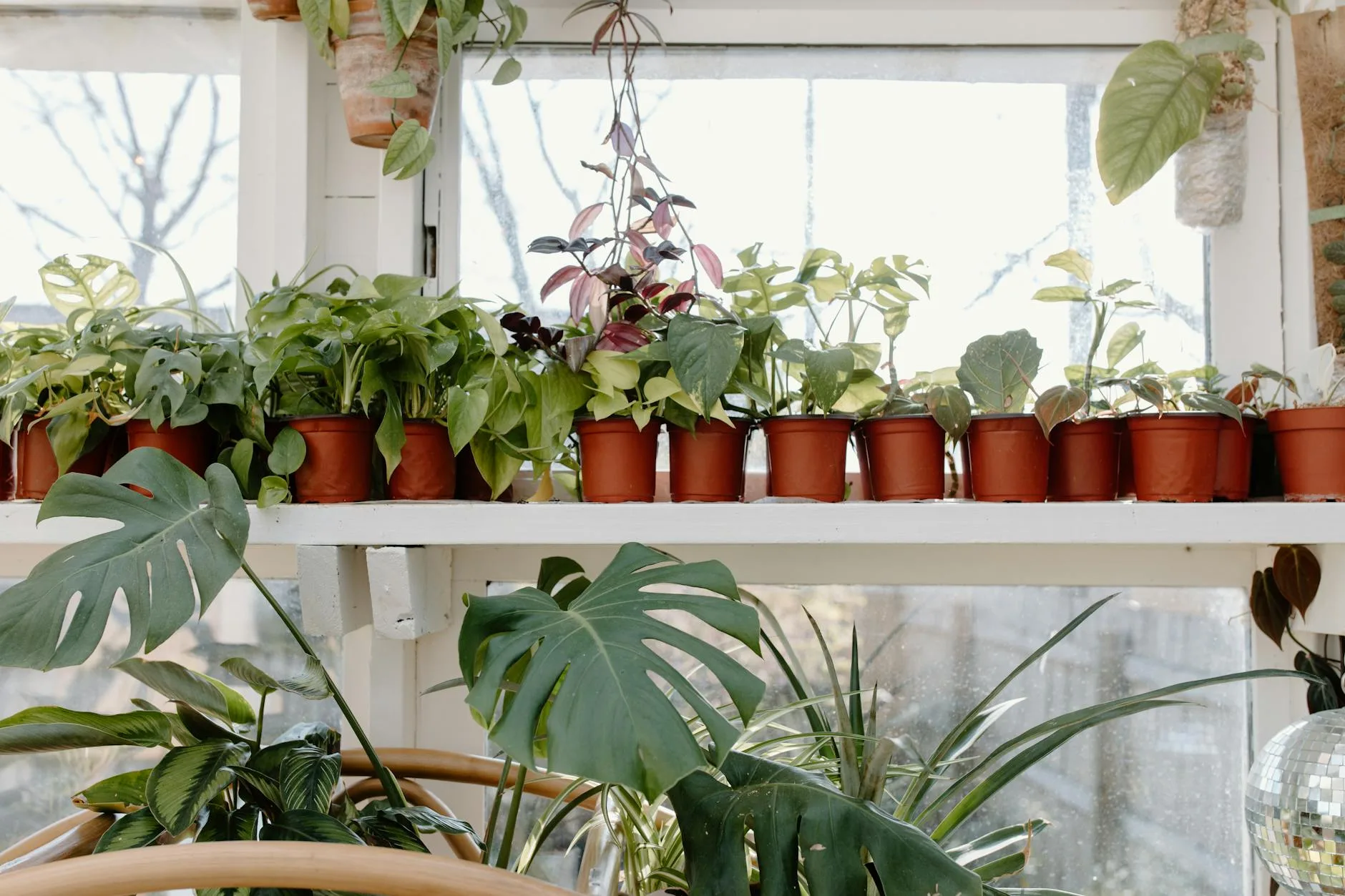
- Calatheas and marantas — the divas of the houseplant world. They curl, crisp, and brown at the edges below 50% humidity. Non-negotiable humidifier candidates.
- Ferns (maidenhair, Boston, asparagus) — evolved on forest floors in constant moisture. They go brown and drop fronds within weeks in dry air.
- Alocasias — dramatic leaves that develop brown spots and crispy edges in low humidity. They want 60%+ to look their best.
- Monstera deliciosa — more tolerant than the above, but new leaves unfurl with brown edges and fenestration damage below 45%.
- Orchids (Phalaenopsis) — tolerant of lower humidity than most tropicals, but flowering improves above 50%. Our guide on maintaining the right humidity for houseplants goes deeper on species-specific requirements.
- Succulents and cacti — do NOT humidify these. They want dry air. Keep them away from the humidifier.
What Humidity Level Do Houseplants Need?
The Target Range
Most tropical houseplants thrive between 50-65% relative humidity. Some — like calatheas and ferns — prefer 60-70%. Very few common houseplants need above 70% unless you are growing them in a terrarium or greenhouse.
How to Measure
A digital hygrometer is essential. Do not guess. A basic one costs about £8-12 from Amazon UK and tells you the exact humidity at plant level. Place it among your plants, not on the wall across the room — humidity varies widely within a single room. Our guide on how to choose a humidifier size explains how room dimensions affect the target.
The Goldilocks Zone
You want enough humidity for your plants without creating a mould problem. UK homes are already prone to condensation and mould in winter — running a humidifier to 75% in a poorly ventilated room is asking for trouble. Aim for 50-60% as a compromise that keeps plants happy and walls dry. If you are unsure about mould risks, our damp and mould guide covers prevention strategies.
Types of Humidifier and Which Suits Plants Best
Ultrasonic Humidifiers
The most common and most popular for plant owners. A vibrating plate breaks water into a fine cool mist. They are quiet (usually 25-35 dB), affordable, and energy-efficient (20-40 watts). The downsides: they can leave a white mineral dust on surfaces if you use hard water, and the mist output is not warm. For plants, ultrasonic is the go-to choice.
Evaporative Humidifiers
A fan blows air through a wet wick or filter, evaporating water naturally. Self-regulating — they slow down as humidity rises. No white dust problem because minerals stay in the filter. The downside is fan noise (35-50 dB) and the need to replace wicks/filters every 1-3 months. Good for larger rooms where you want set-and-forget operation.
Steam (Warm Mist) Humidifiers
Boil water to produce steam. The warmest output, the most hygienic (boiling kills bacteria), but also the most energy-hungry (200-400 watts). Not ideal for rooms with plants because the warm mist can cause leaf damage if directed at foliage. Better suited to bedrooms for cold relief.
The Best Type for Plants
Ultrasonic, every time. Cool mist, quiet, cheap to run, and effective. If you have very hard water (common in London, South East, and East Anglia), use filtered or distilled water to avoid white dust, or choose an evaporative model.
What to Look For in a Plant Humidifier
Tank Size
This is the single most important spec for plant use. A 1-litre tank runs for 6-10 hours. A 4-litre tank runs for 20-40 hours. If you are running a humidifier 12 hours a day in winter, a small tank means refilling twice daily — which you will stop doing within a week. Get at least 3 litres.
Mist Output Rate
Measured in ml/hr. A small humidifier puts out 100-200 ml/hr. A large one puts out 300-500 ml/hr. For a room full of tropical plants (say 15-20 in a living room), you want at least 250 ml/hr to raise humidity meaningfully.
Humidistat (Built-In Hygrometer)
Some humidifiers have a built-in sensor that lets you set a target humidity and auto-adjusts the output. This is genuinely useful for plant use — set it to 55% and forget about it. Without one, you need to manually adjust and check with a separate hygrometer.
Noise Level
If the humidifier sits in a living room or bedroom, noise matters. Ultrasonic models under 30 dB are practically silent. Above 40 dB, you will notice it during quiet moments. Check the spec — some brands quote noise at the lowest setting, which is misleading.
Top-Fill vs Bottom-Fill
Top-fill humidifiers are vastly easier to refill. You lift the lid and pour water in. Bottom-fill models require you to flip the tank upside down, which inevitably drips water everywhere. For daily use, top-fill wins.
Best Humidifiers for Plants 2026 UK
Levoit LV600S (About £90) — Best Overall
A 6-litre tank that runs for up to 50 hours on the low setting. Warm and cool mist options (use cool for plants). Built-in humidistat with app control via VeSync. Output rate up to 500 ml/hr on max, which is enough for a large living room. Top-fill design. At about £90, this is the one I would recommend to anyone with more than a handful of tropical plants. Available from Amazon UK and Currys.
Meaco Deluxe 202 (About £65) — Best Mid-Range
A British brand that specialises in humidity control. The Deluxe 202 holds 1.5 litres (smaller tank, so more refilling), but the ultrasonic mist output is excellent and it runs whisper-quiet at 26 dB. No app or humidistat — you set the mist level manually. Simple, reliable, and well-made. Available from John Lewis and Amazon UK.
Pro Breeze 5.6L Ultrasonic (About £55) — Best Value for Large Rooms
A 5.6-litre tank with a built-in humidistat, warm and cool mist, and remote control. The output tops out at about 400 ml/hr, and it runs for 36 hours on the low setting. It is a bit louder than the Levoit (about 35 dB), but the tank size and feature set at this price are hard to beat. Our best humidifiers roundup compares this against other all-purpose models.
Duux Tag 2 (About £50) — Best for Small Plant Collections
A compact 2.5-litre ultrasonic humidifier with a clean design and quiet operation. No humidistat — manual control only. The 2.5-litre tank runs for about 18 hours, which suits a small bedroom or desk plant setup. Duux is a Dutch brand gaining a good reputation in the UK. Available from John Lewis and Duux direct.
Elechomes UC5501 (About £75) — Best for Targeted Misting
A 6-litre top-fill with a 360° mist nozzle that lets you direct the output toward specific plant groupings. Warm and cool mist, built-in humidistat, and a remote. Runs up to 55 hours on low. Good if your plants are clustered in one corner rather than spread across a room.
Budget Options Under £30
Homvana H111 (About £25)
A 3-litre ultrasonic with an essential oil tray (ignore the oil tray — it does nothing for plants). No humidistat, but the three mist settings are sufficient for a small room. Quiet at about 28 dB. Refill every 24 hours on medium. For a single shelf of plants, this works fine.
Generic USB Desktop Humidifiers (£10-15)
These tiny 300-500 ml units are everywhere on Amazon. They work for a single plant on a desk. They do not work for a room. The tanks empty in 4-6 hours, the mist output is minimal, and they offer no humidity control. Buy one for your office desk calathea, not for a plant-filled living room.
The Honest Take on Budget Humidifiers
If you have a few hardy tropicals (pothos, monstera, spider plants) that tolerate lower humidity, a £25 humidifier is fine. If you have demanding species (calatheas, ferns, alocasias) in a heated living room, spend the extra on a 4+ litre model with a humidistat. The frustration of refilling a tiny tank twice daily costs more in lost motivation than the price difference. Our budget humidifiers guide covers more options under £50.
Where to Place Your Humidifier for Plants
The Ideal Setup
Place the humidifier centrally among your plants, elevated on a stool or shelf so the mist disperses at foliage level rather than pooling on the floor. Aim for about 30-60 cm from the nearest plant — close enough for effective humidity, far enough that leaves are not constantly wet.
Mistakes to Avoid
- Not on the carpet. Moisture drips will develop mould underneath.
- Not against a wall. The mist settles on the wall surface and can cause damp patches or wallpaper damage.
- Not next to electronics. Sustained fine mist near a television, computer, or speaker is asking for condensation damage.
- Not aimed directly at leaves. Constant water droplets on foliage encourage fungal problems like powdery mildew and leaf spot.
Grouping Your Plants
Tropical plants benefit from being grouped together — they create a microclimate by transpiring moisture collectively. Place your humidity-loving species together in one area with the humidifier, rather than spreading them around the house. This is more efficient and lets you target one zone rather than humidifying your entire home.
Common Mistakes With Plant Humidifiers
Running It 24/7
Your plants do not need humidity at night when the heating is off and temperatures drop. Overnight humidifying in a cool room can push humidity to 80%+ and create condensation on windows and walls. Run the humidifier during the day when the heating is active and the air is driest.
Using Tap Water in Hard Water Areas
Hard water leaves white calcium deposits on leaves, furniture, and the humidifier itself. If you live in a hard water area (London, South East, East Anglia, East Midlands), use filtered water, rainwater, or distilled water. A Brita filter jug is sufficient — you do not need expensive distilled water.
Ignoring Cleaning
A dirty humidifier blows bacteria and mould spores into the air, which is worse than no humidifier at all. Clean weekly — more on this below.
Expecting Miracles From Misting
Misting with a spray bottle is the most commonly suggested plant care tip, and it is the least effective. A quick spritz raises humidity by a few percent for 10-15 minutes, then the moisture evaporates and you are back to where you started. It is also a route to fungal infections on leaves that stay wet. A humidifier provides sustained, ambient humidity without wetting foliage. There is no comparison.
Humidifier Alternatives That Work (And Ones That Don’t)
Pebble Trays — Modest Benefit
A tray of water with pebbles, placed under or near the plant pot. The evaporating water raises local humidity by about 2-5%. Measurable, but not enough for demanding species. Fine as a supplement alongside a humidifier, not as a replacement.
Grouping Plants — Genuine Help
As mentioned above, grouping tropical plants together creates a shared microclimate. Each plant transpires moisture, benefiting its neighbours. Combined with a humidifier, this is the most effective approach. Our guide to caring for indoor plants covers grouping strategies in more detail.
Terrariums and Cloches — Highly Effective but Limited
Enclosed or semi-enclosed glass containers trap moisture brilliantly. Perfect for small ferns, fittonias, and moss. Impractical for a monstera or fiddle leaf fig.
Drying Clothes Indoors — Surprisingly Effective
A full clothes airer in a heated room raises humidity noticeably — sometimes to 55-60%. Not aesthetically ideal next to your plant shelf, but it works. Just watch for mould in the room if ventilation is poor.
Bathroom Growing — Location Dependent
If your bathroom has a window with decent light, it is the most naturally humid room in the house. Ferns and calatheas thrive there. Limited by window size and light levels.
Maintenance: Keeping Your Humidifier Clean
Weekly Clean
- Empty all remaining water from the tank
- Wipe the interior with white vinegar on a soft cloth
- Rinse thoroughly with fresh water
- Wipe the base unit and mist outlet
- Dry all components before refilling
Deep Clean (Monthly)
- Fill the tank with a 50/50 white vinegar and water solution
- Leave for 30 minutes to dissolve mineral scale
- Scrub the ultrasonic plate gently with a soft brush (an old toothbrush works)
- Rinse multiple times until the vinegar smell is gone
- Replace filters or wicks if your model uses them
Signs Your Humidifier Needs Cleaning
- Pink or orange slime in the tank (bacteria)
- Musty smell from the mist
- White crusty buildup on the ultrasonic plate
- Reduced mist output
Ignore cleaning at your peril — a contaminated humidifier is spraying bacteria-laden mist onto your plants and into the air you breathe.
Frequently Asked Questions
What is the best humidifier for tropical houseplants in the UK? The Levoit LV600S is our top recommendation. Its 6-litre tank, built-in humidistat, and 500 ml/hr output are ideal for rooms with multiple tropical plants. At about £90, it offers the best combination of capacity, features, and reliability.
Can I use tap water in my plant humidifier? Yes, in soft water areas. In hard water areas (London, South East, East Anglia), tap water leaves white mineral deposits on plants and surfaces. Use filtered, rain, or distilled water instead. A Brita jug is sufficient.
How close should a humidifier be to plants? Place it 30-60 cm from the nearest plant, elevated to foliage level. Do not aim the mist directly at leaves — you want ambient humidity, not wet foliage, which can encourage fungal problems.
Do humidifiers cause mould in UK homes? They can if overused. Run the humidifier during the day when heating is active, aim for 50-60% humidity (not higher), and ensure the room has some ventilation. A built-in humidistat helps prevent over-humidifying.
Is misting plants as good as using a humidifier? No. Misting raises humidity for about 10-15 minutes before evaporating and can encourage fungal infections on wet leaves. A humidifier provides sustained, ambient humidity that makes a measurable difference to plant health.