If your skin feels tight every winter, a humidifier can help, but only when the room is actually dry. The useful target is not “as much mist as possible”; it is a steady indoor humidity level around 40-50%, with clean water, regular cleaning, and no condensation on the windows.
In This Article
- Quick Answer: Can a Humidifier Help Dry Skin in Winter?
- Why Winter Air Makes Skin Feel Tight
- The Humidity Range to Aim For
- Who Benefits Most, and Who Should Be Careful
- Where to Place It and How Long to Run It
- What to Buy in the UK
- Cleaning Rules That Matter
- Frequently Asked Questions
Quick Answer: Can a Humidifier Help Dry Skin in Winter?
Yes, a humidifier can help dry skin in winter if your indoor air is measurably dry. It will not cure eczema, replace moisturiser, or fix a harsh shower routine, but it can reduce the overnight “tight face and cracked hands” feeling that comes from heated indoor air.
The best use case is a bedroom, home office, or nursery that sits below about 35% relative humidity once the heating has been on for a few hours. That is common in UK homes during cold snaps, especially in newer flats with constant background ventilation or older houses where radiators run hard in the evening. If you are not sure where your home sits, start with our guide to measuring humidity at home before buying anything.
The mistake is buying a large ultrasonic humidifier, running it all night on high, and assuming wetter is better. Above 60%, you are nudging the room towards condensation, dust mites, and mould risk. That is not a skin-care upgrade. It is a damp problem with a plug.
For most people, the sensible answer is:
- Measure first: buy a £7-£15 hygrometer before buying a humidifier.
- Aim for comfort, not steam: 40-50% relative humidity is a useful winter target.
- Use it where you spend time: bedrooms and desks matter more than hallways.
- Clean it properly: stagnant water and dirty tanks undo the benefit.
- Keep moisturising: humid air helps your skin hold water; it does not add oil back to damaged skin.
If I were buying one for winter skin rather than plant care or whole-house humidity, I would start with a simple cool-mist model around 2-4 litres and a separate hygrometer. The Levoit Classic 160 often sits around £40 from Amazon UK, while smart 4-6 litre units from Dreo or Levoit tend to land around £70-£100. A premium purifier-humidifier such as the Philips 2-in-1 at Argos can be around £310, but I would only go there if you also need air purification.
Why Winter Air Makes Skin Feel Tight
Winter skin is not just about cold weather outside. The real problem is what happens when cold outdoor air is warmed indoors. Warm air can hold more moisture, so the relative humidity inside can drop even when the house does not feel obviously dry.
Heating changes the feel of the room
Central heating is brilliant at making a room comfortable, but it can leave the air feeling flat and dry. Radiators, fan heaters, and underfloor heating all warm the air without adding moisture. After a few hours, you may notice dry lips, tight cheeks, itchy shins, static hair, or hands that crack around the knuckles.
That does not mean every UK home needs a humidifier. Some houses have the opposite problem: condensation on bedroom windows, damp corners, and bathroom mould. Those homes need ventilation, heating balance, and moisture control before more humidity is added, which is why our damp and mould guide is the better first stop for wet rooms.
The UK government’s damp and mould guidance is clear that damp and mould can affect health and should be addressed quickly, so a humidifier should never be used to mask a room that is already wet or mouldy: GOV.UK damp and mould guidance.
Skin loses water faster in dry air
Skin has a barrier layer that slows water loss. When the air is very dry, water leaves the skin surface faster, so moisturiser seems to disappear quickly and the skin starts to feel rough again by bedtime. People with eczema-prone skin, older skin, or already irritated hands notice this sooner.
Based on winter use in bedrooms, the biggest difference is usually overnight comfort. A small humidifier near the bed will not transform your skin in one night, but it can stop the room from becoming so dry that your moisturiser has to fight the air as well as your skin barrier.
It helps the environment, not the whole routine
A humidifier changes the room. It does not change your cleanser, shower temperature, washing powder, hand soap, or moisturiser. If you shower hot for 15 minutes, use a stripping body wash, then forget moisturiser, a humidifier is doing the easy bit while the rest of the routine works against it.
The strongest winter setup is boring but effective: shorter warm showers, fragrance-free moisturiser, gloves for cold walks, and controlled indoor humidity. Not exciting. Also not expensive.
The Humidity Range to Aim For
The number matters. Guessing from “the air feels dry” is better than nothing, but it is not good enough if you are deciding whether to run a water tank in a bedroom every night.
Start with a hygrometer
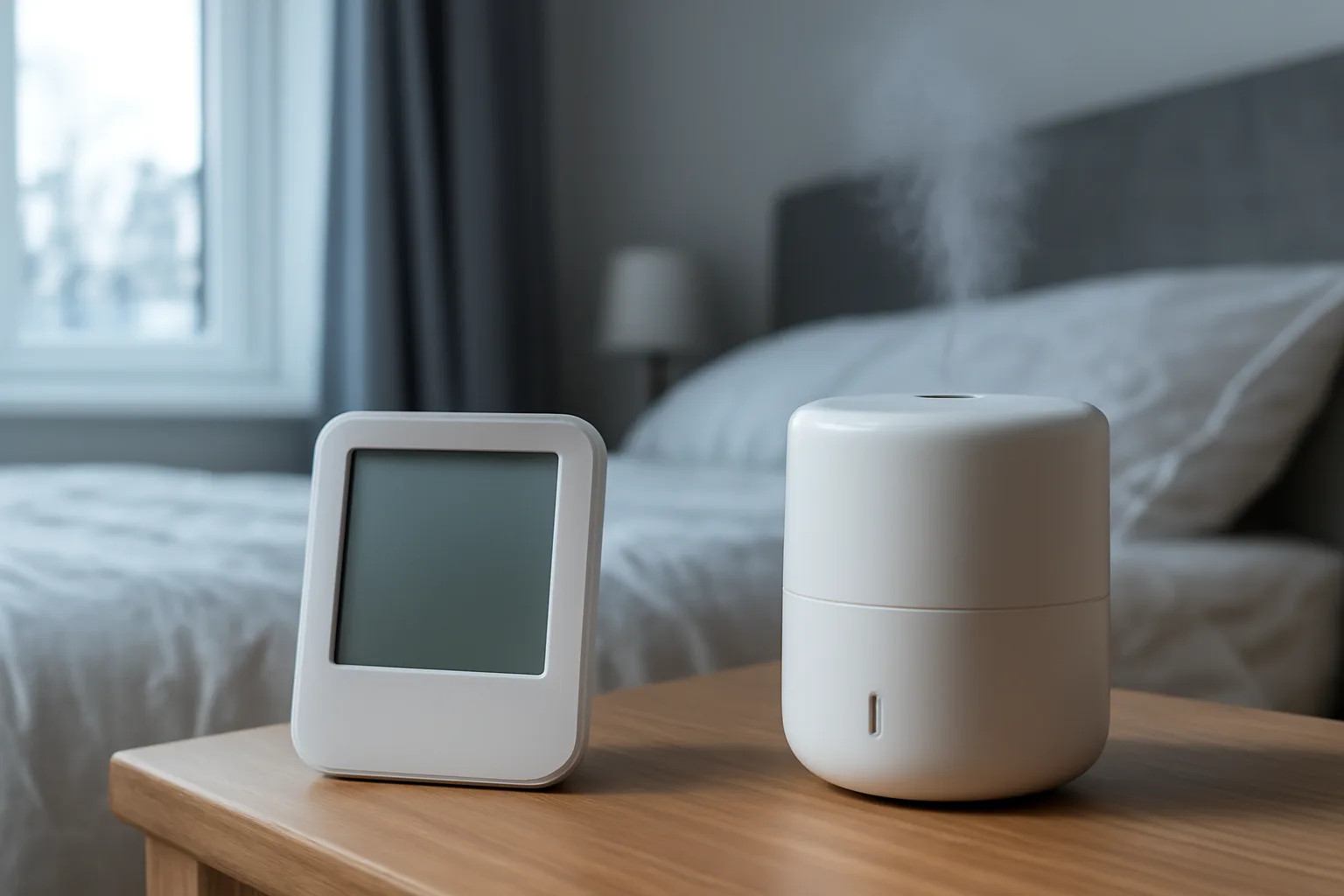
A hygrometer is a small humidity meter. You can buy basic digital models for about £7-£15 from Amazon UK, Argos, Screwfix, or B&Q. Put one in the bedroom for a week before buying a humidifier. Check it in the evening after the heating has been on and again in the morning.
If the room is sitting around 45-55%, a humidifier is unlikely to be the missing piece. If it drops to 25-35% for hours at a time, especially overnight, a humidifier dry skin winter setup starts to make sense. For the wider comfort range, see our explainer on healthy relative humidity levels.
Use a practical winter target
For most UK homes, I would aim for 40-50% relative humidity in winter. That is high enough to take the edge off dry air but low enough to leave a buffer before condensation becomes a problem.
The US Environmental Protection Agency gives similar caution around home humidifiers: do not push indoor relative humidity above 50%, because higher levels can encourage biological growth: EPA home humidifier guidance.
What I would not do is chase 60% because a product page says it is “ideal”. In a UK bedroom with cold windows, 60% can mean wet glass by morning. Once you see water running down the panes or black spotting around silicone, stop adding moisture and deal with ventilation.
Read the room, not just the screen
Numbers are useful, but the room still gets a vote. Watch for:
- Too dry: static shocks, tight skin, dry lips, creaky floorboards, houseplants drying quickly.
- About right: skin feels less tight, no window condensation, bedding does not feel damp.
- Too humid: wet windows, musty smell, damp fabric, mould spots, heavy air in the morning.
I like a simple rule: if you need to wipe bedroom windows in the morning, the humidifier does not run that night. Skin comfort is not worth trading for mould.
Who Benefits Most, and Who Should Be Careful
A humidifier is most useful for people whose skin gets worse at the same time every year: heating season begins, hands crack, lips split, cheeks feel tight, and moisturiser needs reapplying more often.
Good candidates
You are more likely to notice a benefit if:
- Your room measures below 35% humidity: this is the clearest buying signal.
- You wake with tight skin: bedrooms give the humidifier a long, steady window to work.
- Your hands crack in winter: dry indoor air can make handwashing damage feel worse.
- You use retinoids or active skincare: drier air can make already-sensitive skin feel angrier.
- You work beside a radiator: a desk humidifier may help if the air around you is dry all day.
For desk use, keep expectations modest. A tiny USB humidifier from Amazon UK for £12-£25 may make the air immediately around you feel less dry, but it will not change a whole open-plan office. In a small home office, a 2-litre unit around £35-£60 makes more sense.
People who should be more cautious
If you have asthma, allergies, dust mite sensitivity, or a history of mould issues at home, do not treat a humidifier as harmless background kit. Dirty humidifiers can spread unwanted particles, and high humidity can encourage allergens. If symptoms flare, stop using it and speak to a clinician.
Families with babies should also keep things simple. A cool-mist humidifier may be safer than a warm-mist unit because there is no hot water or steam risk, but it still needs cleaning and sensible placement. Keep cables out of reach, keep the unit away from the cot, and do not point mist directly at bedding. If the room is also stuffy or allergy-prone, our guide to improving air quality in a child’s bedroom covers the broader checks.
When it is the wrong tool
A humidifier is the wrong answer if the room already has damp patches, black mould, or regular condensation. It is also the wrong answer if dry skin is severe, cracked, bleeding, infected, or not improving with basic care. That is a skin-health issue, not a gadget-shopping problem.
In those cases, the next step is a pharmacist, GP, or dermatologist, depending on severity. The humidifier can wait.
Where to Place It and How Long to Run It
Placement makes a bigger difference than most product listings admit. A good humidifier in the wrong spot can leave one wet corner and a dry bed. A modest unit in the right spot can do enough.
Bedroom placement
Put the humidifier on a stable bedside table, chest of drawers, or shelf, ideally 50-100cm above the floor. Keep it at least 30cm from walls, curtains, books, electronics, and bedding. Mist needs space to mix with the room air before it lands on anything.
Do not put it on carpet. Do not put it directly on a wooden surface unless you use a waterproof tray. Ask me how I know. Even a well-behaved ultrasonic unit can leave a faint damp patch if the room is cool.
If the bedroom is small, start on low for two or three hours before bed. Check the hygrometer in the morning. If the room stays below 40% and the windows are dry, extend the runtime. If the windows mist up, cut back.
Desk and home-office use
For a desk, keep the unit off laptops, monitors, notebooks, and plug sockets. A small humidifier should sit to the side, not between you and the keyboard. If mist is visibly drifting onto your screen, it is too close.
The best desk setup I have used is not fancy: a compact humidifier on a side shelf, a £10 hygrometer on the desk, and the door cracked open slightly. That stops the air from feeling stale without making the room wet.
Runtime by room size
As a starting point:
- Small bedroom, 10-12m²: 2-litre tank on low for 2-6 hours.
- Medium bedroom, 12-18m²: 3-4 litre tank on low or auto mode overnight.
- Living room, 18-25m²: 4-6 litre unit, but only if the hygrometer shows low humidity.
- Open-plan space: one small unit will struggle; use measurement before spending more.
Auto mode is worth paying for if you can afford it. A humidifier that stops around 45-50% is less risky than one that runs blindly until the tank is empty.
What to Buy in the UK
For dry winter skin, you do not need the most expensive humidifier. You need the right size, easy cleaning, a quiet night mode, and preferably humidity control.
Budget option: simple cool mist
Budget humidifiers around £30-£50 work well in small rooms. The Levoit Classic 160 is often around £39.99 from Amazon UK and is a sensible first buy for a bedroom. It is compact, quiet enough for most sleepers, and not so powerful that it turns a small room clammy in an hour.
The downside is that cheaper units often lack accurate auto humidity control. Pair one with a separate hygrometer and switch it off when the room reaches target.
Mid-range option: smart 4-6 litre model
Mid-range models around £70-£120 suit larger bedrooms and home offices. Dreo and Levoit smart humidifiers are common in this bracket, often with app control, larger tanks, and auto modes. I would choose this tier if you want overnight use without refilling every day.
Look for:
- Tank capacity: 4 litres or more for a medium room.
- Top-fill design: much less annoying than flipping a wet tank upside down.
- Auto humidity mode: useful if it can target roughly 45-50%.
- Quiet operation: under 30dB is easier to live with in a bedroom.
- Easy tank access: if you cannot get a hand or brush inside, cleaning becomes a chore.
Premium option: purifier-humidifier combo
Premium purifier-humidifier units make sense only if you want both jobs. The Philips 2-in-1 Air Purifier & Humidifier is listed around £310 at Argos, while Dyson purifier-humidifier models can be several hundred pounds more depending on the version. If you are comparing humidifier types first, our best humidifiers UK guide gives the product-led view.
For skin alone, that is overkill. For a bedroom with hay fever, dust concerns, and dry winter air, it may be easier than running two separate machines. Even then, check filter costs. Replacement filters can turn a one-off purchase into a £40-£80 annual habit.
My practical pick for most UK homes would be a mid-range top-fill cool-mist unit with auto humidity control, plus a separate hygrometer to keep it honest. Spend the rest on a better moisturiser.
Cleaning Rules That Matter
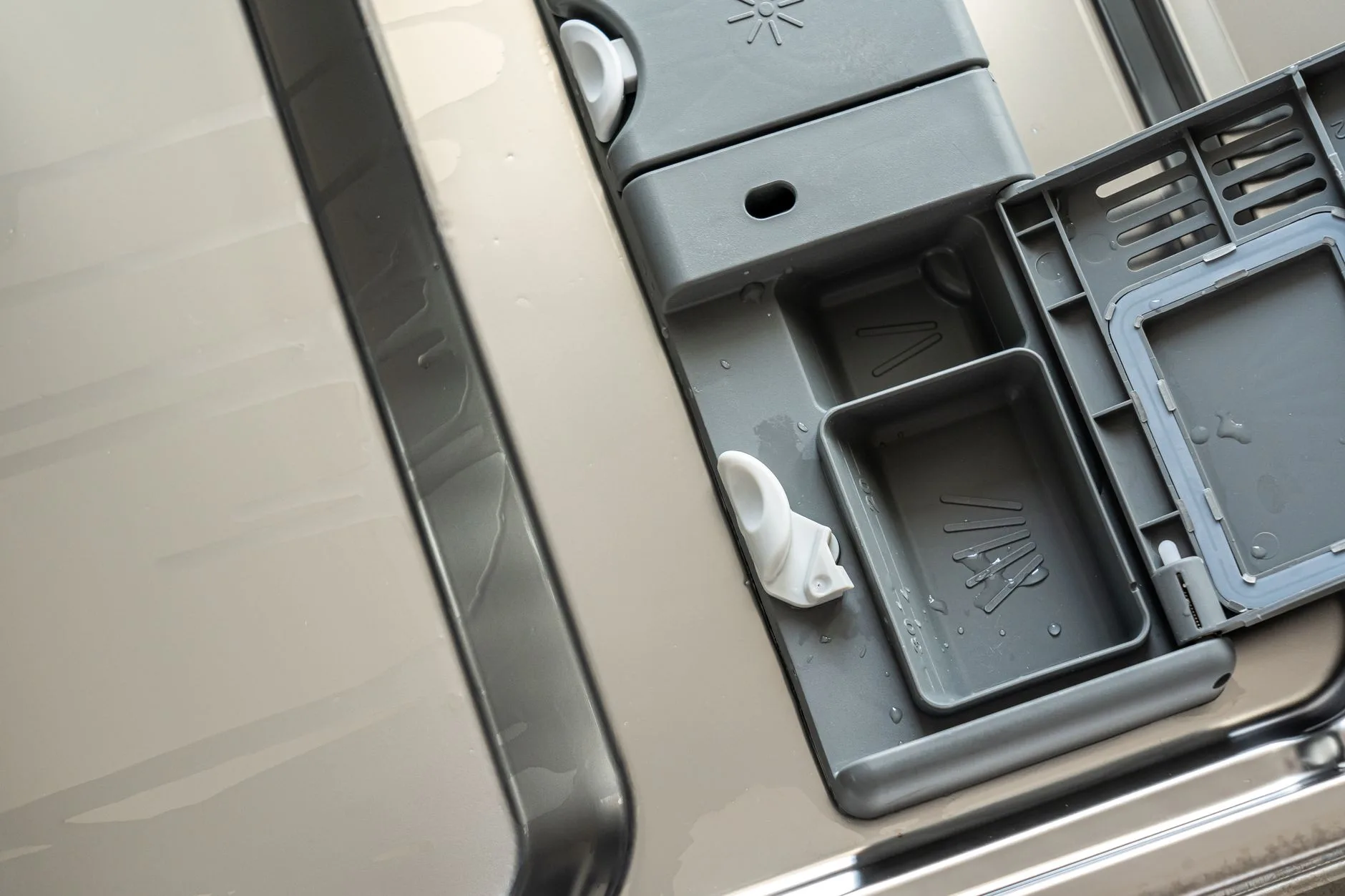
The cleaning routine is the unglamorous bit that decides whether a humidifier is a good idea. Water sitting in a warm room will not stay pristine just because the tank looks clear.
Daily habits
Empty the tank when you are not using it. Refill with fresh cold water before the next run. If you use it every night, give the tank a quick rinse each morning and leave it open to dry.
Do not add essential oils unless the manufacturer specifically says the model is designed for them. Oils can damage plastic, leave residue, and irritate airways. If you want scent, use a diffuser separately and read the safety guidance first; we covered the indoor-air trade-offs in our essential oil diffuser safety guide.
Tap water is fine for many UK homes, but hard-water areas can leave white mineral dust from ultrasonic humidifiers. If you see white powder on furniture, switch to filtered or demineralised water, or consider an evaporative model. In a hard-water area, that one detail can be the difference between useful and annoying.
Weekly cleaning
Once a week during winter use, strip the tank and base as far as the manual allows. Use white vinegar or the manufacturer’s recommended descaler for limescale, rinse well, and let parts dry before reassembly.
Avoid bleach unless the manual says it is safe for that model. Avoid scented cleaning products. The whole point is to put clean moisture into the air, not cleaning residue.
Signs to stop using it
Stop and clean the unit if you notice:
- Musty smell: the tank or base needs attention.
- Pink or grey residue: biofilm is forming.
- White dust: minerals are being carried into the room.
- Wet surfaces nearby: the mist is landing before it evaporates.
- Condensation on windows: the room is already humid enough.
A humidifier should make winter air more comfortable in the background. If it becomes another wet thing to manage, scale back.
Frequently Asked Questions
Can a humidifier help dry skin in winter? Yes, if the room humidity is low. It can reduce moisture loss from the skin surface, especially overnight, but it works best alongside moisturiser and gentler washing habits.
What humidity level is best for dry winter skin? Around 40-50% relative humidity is a sensible target for most UK bedrooms. Above 60%, condensation and mould risk become more likely, especially near cold windows.
Should I run a humidifier all night? Only if the room stays dry and the unit has a low or auto mode. Start with a few hours, check a hygrometer in the morning, and stop if windows are wet.
Is a warm-mist or cool-mist humidifier better for skin? Both can add moisture to the air. For most homes, a cool-mist unit is the easier choice because it avoids hot water and steam, especially around children.
Can a humidifier make mould worse? Yes. If you overuse it or run it in a room that already has condensation, it can add to damp conditions. Measure humidity and keep the unit clean.
Do I need an expensive humidifier for dry skin? No. A £40-£100 cool-mist humidifier with a separate hygrometer is enough for most bedrooms. Premium purifier-humidifier models make sense only if you also need air cleaning.