Air purifiers are useful, but they are not magic boxes. This is air purifier myths debunked without the sales spin: what they can clean, what they cannot fix, and which problems need ventilation, cleaning, humidity control or building work instead.
In This Article
- Air Purifier Myths Debunked: The Short Version
- Myth 1: An Air Purifier Cleans the Whole House
- Myth 2: HEPA Means It Removes Every Pollutant
- Myth 3: Air Purifiers Cure Allergies, Asthma or Damp
- Myth 4: You Can Put It Anywhere and Get the Same Result
- Myth 5: Cheap Units Are Always False Economy
- Myth 6: Running Costs Are Too High to Bother
- What an Air Purifier Actually Can Do
- Frequently Asked Questions
Air Purifier Myths Debunked: The Short Version
An air purifier is best treated as a room-by-room reduction tool. It can lower airborne particles in the space where it is running, but it cannot clean every surface, fix a damp wall, stop outdoor pollution entering through open windows, or replace basic dust control.
That does not make it pointless. In the right room, with the right filter and sensible placement, it can make bedrooms, home offices and living rooms feel cleaner. Based on UK owner reviews, the strongest feedback tends to come from people using purifiers for pollen season, pet dander, cooking smells, fine dust and traffic-facing rooms. The weaker reviews usually come from people who bought a tiny unit for an open-plan downstairs space and expected it to behave like a whole-house ventilation system.
The practical answer is this:
- For pollen, dust and pet dander: a decent HEPA-style particle filter can help, especially in one closed room.
- For odours and VOCs: you need meaningful activated carbon, not just a thin token layer.
- For damp and mould: fix moisture and ventilation first; a purifier is support, not the cure.
- For smoke: filtration can reduce airborne particles, but it cannot make smoking indoors healthy.
- For large rooms: CADR and airflow matter more than smart features.
If you are still choosing a machine, our best air purifiers UK guide is the fuller buying route. This article is the expectation reset: what they can do, what they cannot do, and where your money is better spent.
Myth 1: An Air Purifier Cleans the Whole House
Most domestic air purifiers clean one room at a time. That sounds obvious, but it is the mistake behind a lot of disappointing purchases.
Manufacturers often quote a maximum room size based on ideal lab conditions. In a real UK home, doors are half-open, rooms connect awkwardly, kitchens create bursts of particles, and the purifier may sit behind a chair because that is where the spare plug socket is. A unit rated for 40m2 on paper will not clean a hallway, landing, two bedrooms and a kitchen at once.
The Room Test
If you want a simple rule, buy for the room where the problem matters most. For most homes, that means:
- Bedroom: best first room for hay fever, dust mite sensitivity and sleep disturbance.
- Living room: useful for pets, candles, open-plan dust and evening use.
- Home office: worth considering if you work beside a road, printer, wood burner smell or dusty shelving.
- Kitchen: useful after cooking, but extraction and ventilation still matter more.
A small bedroom unit such as a Levoit Core 300S, often around £120-£160 in the UK depending on offers, makes more sense than asking a bargain £45 desktop purifier to cover the whole upstairs. For a larger lounge, a Blueair Blue Max 3250i at roughly £110-£190 or a Philips 1000/2000-series unit at about £180-£300 is a more realistic starting point.
CADR Beats Marketing Claims
Clean Air Delivery Rate, or CADR, is not perfect, but it is more useful than vague phrases like “large room performance”. A higher CADR means the unit can move more filtered air. If two purifiers cost similar money, I would rather buy the one with stronger CADR and cheaper replacement filters than the one with a prettier app.
For more detail on this, read our CADR ratings explainer. The short version: match the machine to the room, close the door when you can, and do not expect one purifier in the corner of the lounge to clean bedrooms upstairs.
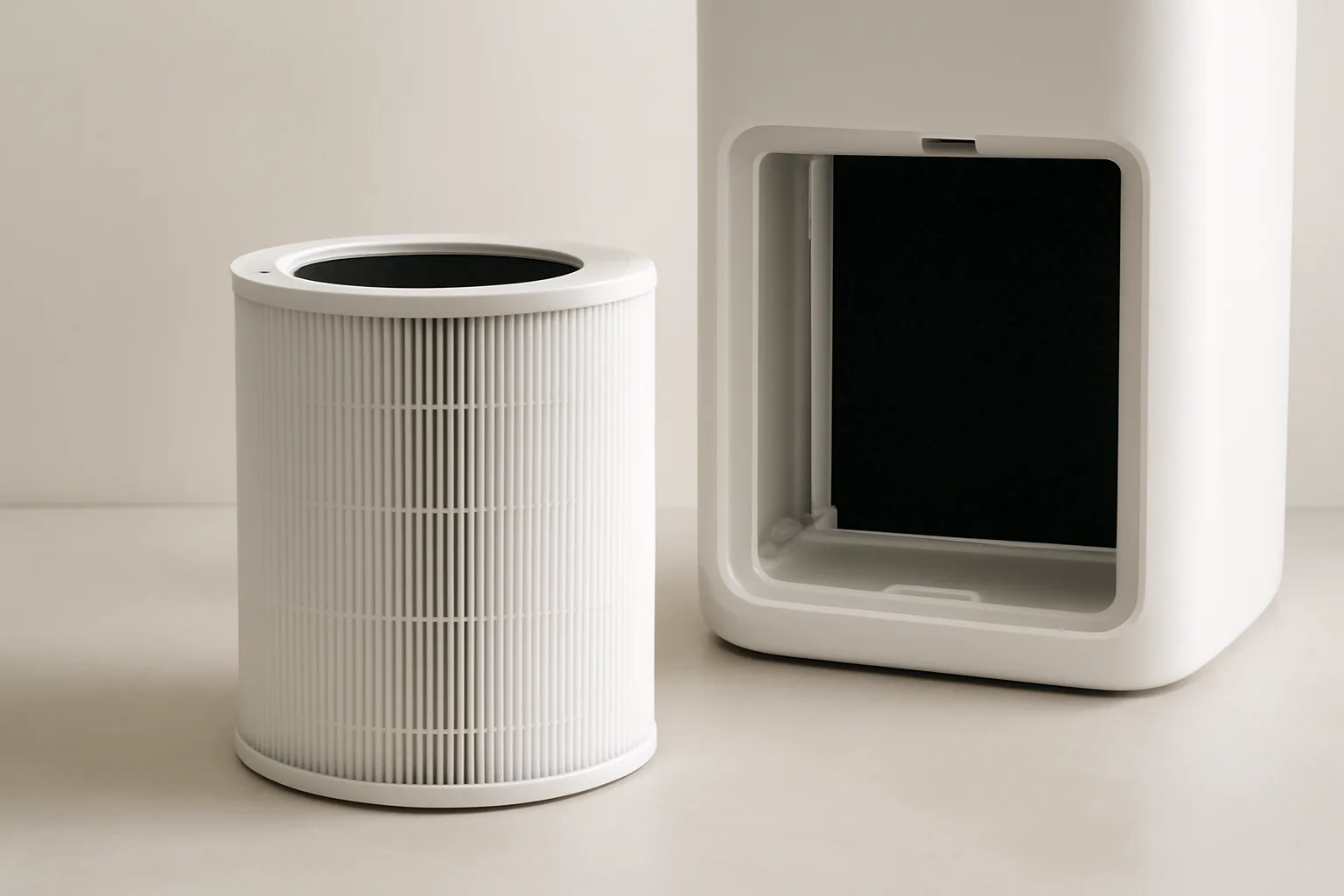
Myth 2: HEPA Means It Removes Every Pollutant
HEPA-style filtration is excellent for particles. It is not a universal shield against every indoor air problem.
Particle filters are designed for things such as dust, pollen, pet dander, mould spores and fine particulate matter. They do not remove gases in the same way. If you are worried about odours, smoke gases or VOCs from paints, furniture, sprays and cleaning products, the purifier needs activated carbon too.
Particles and Gases Are Different Problems
This distinction matters because many cheaper purifiers use a strong-sounding filter description but only a modest carbon layer. That is fine if your main problem is pollen in a bedroom. It is less convincing if you want to tackle cooking smells, traffic fumes, wood burner odour or new-furniture smells.
The same principle applies to everyday hay fever routines: particle control is useful, but it works best alongside damp dusting, regular vacuuming, laundry habits and sensible window use on high-pollen days.
What to Look For on the Spec Sheet
When comparing products, I would check four things before caring about app control:
- Filter type: true HEPA, HEPA 13, HEPA-style or proprietary particle filter.
- Carbon weight: a proper carbon bed beats a thin deodorising sheet.
- Replacement filter price: many UK filters cost about £25-£80 each.
- Availability: avoid obscure models if replacement filters are hard to buy from Amazon UK, Currys, John Lewis or the maker’s own UK shop.
If smoke, VOCs or odours are the main issue, read our HEPA vs activated carbon filter guide before buying. The wrong filter can still move plenty of air while solving the wrong problem.
Myth 3: Air Purifiers Cure Allergies, Asthma or Damp
This is where the marketing can get slippery. An air purifier may reduce some airborne triggers. It does not cure allergies, treat asthma or repair a damp house.
For pollen and dust, a purifier can be a useful bedroom tool. For pet dander, it can reduce what stays airborne, but it does not remove allergens from sofas, carpets, bedding, curtains or the dog itself. For asthma, it should sit alongside medical advice, medication plans and trigger control, not replace them.
Allergy Claims Need a Bit of Scepticism
If a person with hay fever sleeps better with a purifier running, that is a good result. It still does not mean the purifier has “removed allergies”. You still need damp dusting, regular vacuuming, washed bedding, lower clutter, and sensible window habits during high-pollen days.
I am more convinced by a purifier in one carefully chosen room than by a grand claim about “healthy home transformation”. The first is measurable. The second usually means someone in a marketing meeting got carried away.
For pet homes, our air purifiers and pet allergies guide explains the limits in more detail. My favourite setup is boring but dependable: purifier in the bedroom, washable pet bedding, hard floors where possible, and no pet sleeping on the duvet if allergies are the issue.
Damp and Mould Are Building Problems First
An air purifier can capture some airborne mould spores. It cannot stop condensation forming on cold surfaces, dry a wet wall, repair a leak or make an under-ventilated bathroom safe.
The UK Government’s existing home ventilation guide says poor ventilation can trap moisture and pollutants indoors, which can harm both people and the building. That is the right way to think about damp: moisture control first, filtration second. The guide is here: https://assets.publishing.service.gov.uk/media/61b3868ce90e0704423dc0d8/Existing_Home_Ventilation_Guide.pdf.
If you have black mould around windows, peeling paint or a musty smell after rain, spend the first money on the source: extractor fans, heating patterns, leaks, window trickle vents, a dehumidifier or landlord repairs. A £500 Dyson purifier will not forgive a bathroom with no working extraction.
Myth 4: You Can Put It Anywhere and Get the Same Result
Placement is not a tiny detail. It is one of the cheapest ways to make a purifier work better.
The poor setup is familiar: purifier on the floor behind the sofa, intake pressed near a curtain, clean air blowing into the back of a TV unit, door open to the hallway. The machine is running, the lights look reassuring, but the airflow is doing very little useful work.
Better Placement Rules
Start with these:
- Give the intake space: leave at least 20-30cm around the sides unless the manufacturer says otherwise.
- Keep it in the problem room: close the door during high-pollen periods or overnight use.
- Avoid dead corners: near the breathing zone is usually better than hidden beside furniture.
- Do not block it with curtains: fabric near the intake can restrict airflow and collect dust.
- Use higher speed at first: run a stronger setting after cooking, cleaning or opening windows, then drop to sleep mode.
If you want the full setup process, use our air purifier placement guide. The key myth here is that position does not matter. It does.
Sensors Can Mislead You
Built-in sensors are useful, but they are not laboratory instruments. Some react quickly to cooking particles but barely notice pollen. Some sit inside the unit and read the air near the intake, not necessarily the air by your pillow. Owners often report that auto mode is too relaxed, especially on quiet models that prioritise noise over cleaning speed.
My preference is manual control for known problem periods. Pollen day? Run it higher before bed. Fried food? Run it hard while the extractor is on. Dusting shelves? Let it work for an hour after cleaning. Auto mode is convenient, but it should not be treated as a judgement from the gods.
Myth 5: Cheap Units Are Always False Economy
Cheap purifiers are not always bad. Underpowered purifiers are bad. There is a difference.
A £70-£100 compact unit can be perfectly sensible in a box room, nursery, small rented bedroom or home office. It becomes false economy when it is asked to clean a 35m2 open-plan kitchen-diner, remove heavy odours, or run every night with filters that cost nearly as much as the machine.
Sensible UK Price Bands
For most UK buyers, the market breaks down roughly like this:
- Budget, about £50-£100: good for small rooms if filters are easy to source; watch noise and weak CADR.
- Mid-range, about £110-£250: the sweet spot for bedrooms and living rooms; Blueair, Levoit, Philips and Shark often sit here.
- Premium, about £350-£650: Dyson, high-end Philips and large-room models add design, sensors, heating, cooling or stronger airflow.
- Filter costs, about £25-£80: check this before buying, because two years of filters can change the real price.
If I were buying for a typical bedroom, I would start in the mid-range rather than jump straight to Dyson. Something like a Blueair Blue Max 3250i, Levoit Core 300S or Philips 800/1000-series model usually gives a better value-to-performance ratio than a premium fan-purifier unless you specifically want cooling, design or app polish.
For a larger room, I would rather buy one properly sized £220-£300 unit than two random £55 cylinders with vague filter claims. That is not snobbery; it is airflow.
The Filter Trap
The cheapest purifier on the shelf can become annoying if filters are rare, expensive or always out of stock. Before buying an unknown brand from a marketplace listing, search the exact replacement filter code. If you cannot find it at Amazon UK, Currys, John Lewis, Argos, Robert Dyas or the manufacturer’s own UK site, I would walk away.
This is also why washable-filter claims need care. A washable pre-filter is useful for hair and large dust. A washable HEPA-style main filter is a different claim, and many true particle filters are replaced, not washed. If the product page makes that muddy, pick a clearer product.
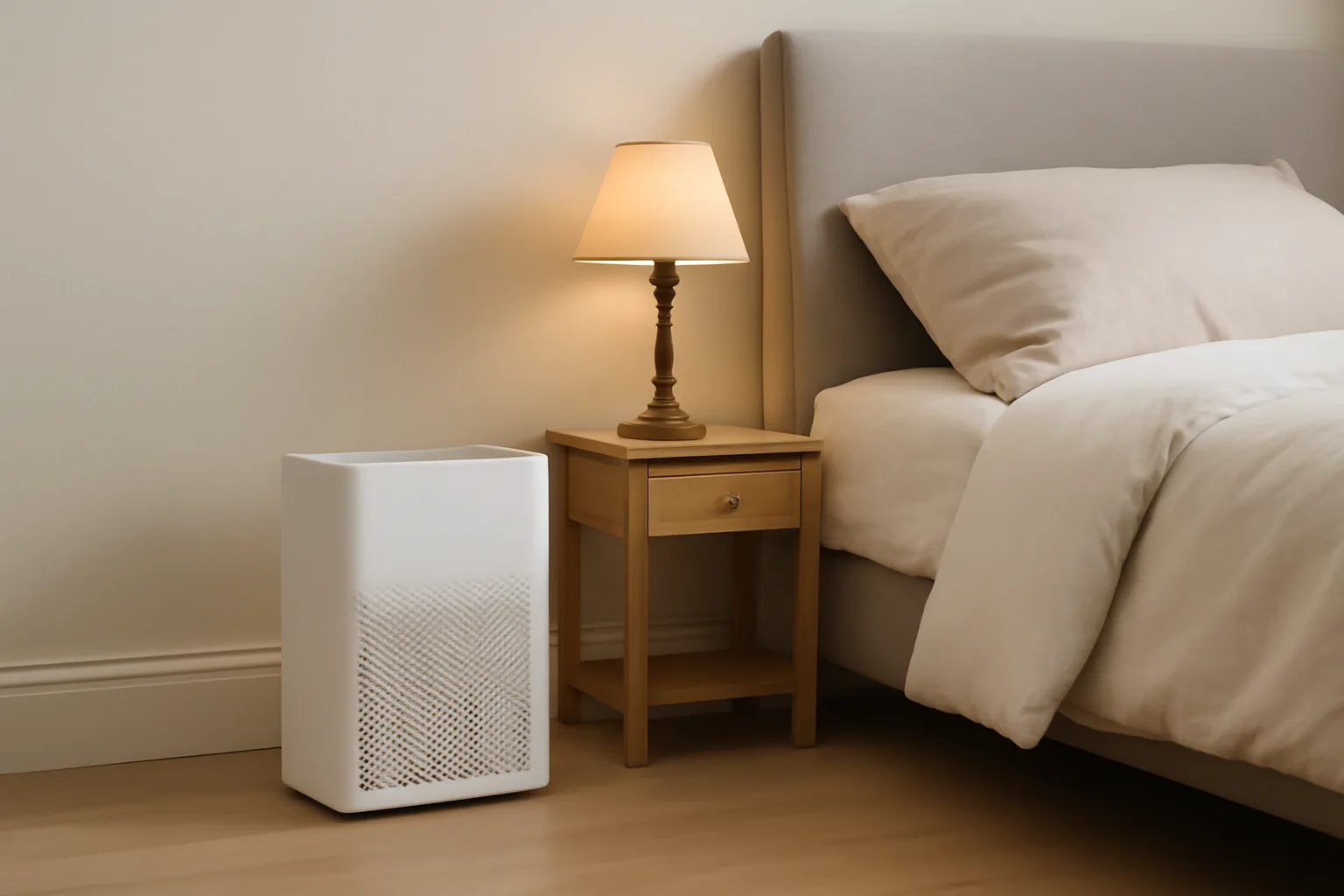
Myth 6: Running Costs Are Too High to Bother
Running costs are real, but they are usually not the reason to avoid a purifier. Filter cost matters more than electricity for many households.
A typical purifier might use about 5-10W on sleep mode, 20-40W on medium and 50-70W on high. Using Ofgem’s average direct-debit electricity unit rate for 1 July to 30 September 2026 of 26.11p per kWh, a 30W purifier running eight hours a night costs roughly 6p per night, or about £22 per year. Ofgem’s current price-cap unit-rate page is here: https://www.ofgem.gov.uk/information-consumers/energy-advice-households/energy-price-cap-unit-rates-and-standing-charges.
That estimate changes with your tariff and fan speed, but it puts the myth in perspective. Electricity is not free, but it is not like running a tumble dryer every evening.
Filters Are the Bigger Ongoing Cost
Replacement filters are where the quiet bill sits. A Levoit Core 300 filter is often around £25-£35. Dyson replacement filters can sit around £60-£80. Some Blueair and Philips filters vary by model but often land in the £30-£70 range.
If the purifier needs a filter every six months, that can be £50-£160 per year. If it lasts a year, the cost is easier to swallow. Dusty homes, pet homes and smoky environments will shorten filter life.
This is where our air purifier running costs guide is useful. For this myth, the practical answer is simple: electricity is usually manageable; filters decide the long-term value.
How to Keep Costs Sensible
Do not run the purifier on full blast all day unless the room needs it. Use higher speed after a trigger, then settle into a lower setting. Vacuum the pre-filter if the maker allows it. Keep doors and windows sensible. Replace filters on condition and guidance, not just because an app nags you early.
The biggest waste is buying too small, running it hard, hating the noise, then switching it off. Buy the right size once.
What an Air Purifier Actually Can Do
After all the myth-busting, the answer is not “do not buy one”. It is “buy one for the right job”.
An air purifier can reduce airborne particles in a specific room. It can help during pollen season, make a pet room feel fresher, reduce fine dust after cleaning, support a bedroom routine, and clear cooking particles faster when used alongside extraction. It can also give useful feedback if it has a decent PM2.5 display, though a dedicated monitor is better if measurement is the main goal.
It cannot remove dust already settled on shelves, clean fabric, fix damp, compensate for poor extraction, treat illness, or make indoor smoke safe. If a product page suggests it can do all of that, be sceptical.
My Practical Buying Verdict
For most UK homes, I would buy in this order:
- Fix the source first: ventilation, damp, cleaning, bedding, pet routines and extraction.
- Choose the room: bedroom first for sleep and pollen; living room first for pets or cooking drift.
- Buy enough CADR: match the room rather than chasing the cheapest unit.
- Check filters: price, availability and replacement interval before buying.
- Place it properly: open airflow, problem room, sensible fan speed.
If the budget is tight, I would rather buy a good £130-£180 purifier for one bedroom than a flashy premium unit that leaves no money for replacement filters. If the room is large or open-plan, step up. If the issue is damp, mould or condensation, look at a dehumidifier and ventilation first; our best dehumidifiers UK guide is the better starting point.
That is the real version of air purifier myths debunked: they work within limits. Respect those limits and they can be a useful part of a cleaner home. Ignore them and even an expensive purifier becomes a very stylish fan with an optimistic light on the front.
Frequently Asked Questions
Do air purifiers actually work? Yes, for airborne particles in the room where they are running. They work best when matched to the room size, fitted with the right filter and placed with clear airflow.
Can an air purifier remove mould? It can capture some airborne mould spores, but it cannot remove mould from walls or stop condensation. Fix moisture, leaks and ventilation first.
Is HEPA enough for smells? No. HEPA-style filters target particles. For odours, smoke gases and VOCs, look for a purifier with a meaningful activated carbon filter.
Should I leave an air purifier on all night? In a bedroom, yes, if the noise and running cost are acceptable. Sleep mode is cheap to run, but use a higher setting before bed if pollen, dust or pet dander is the issue.
Are cheap air purifiers worth buying? Some are, especially for small rooms. Avoid tiny units with vague filter claims, poor CADR information or replacement filters that are hard to find in the UK.
Where should I put an air purifier? Put it in the problem room with clear space around the intake and outlet. Avoid hiding it behind furniture, curtains or doors.