The NASA clean-air study did not prove that a peace lily in the corner will clean a normal UK living room. It showed that some plants could remove certain chemicals inside sealed test chambers, which is useful science but a poor match for draughty Victorian terraces, new-build flats with trickle vents, open doors, pets, cooking smells and ordinary ventilation. That is the problem with the air purifying houseplants NASA claim: the science is real, but the household promise is usually stretched.
In This Article
- What NASA’s Clean Air Study Really Tested
- Why the Air Purifying Houseplants NASA Claim Does Not Translate Neatly to a UK Home
- The Plants From the NASA Lists Worth Owning Anyway
- What to Buy if You Still Want Houseplants
- Where Houseplants Can Make Indoor Air Worse
- What Improves Indoor Air Quality More Reliably
- Bottom Line: Buy Plants for the Right Reason
- Frequently Asked Questions
What NASA’s Clean Air Study Really Tested
The phrase air purifying houseplants NASA usually points back to a late-1980s study on interior landscape plants and indoor air pollution. The work is real. NASA was interested in closed environments, including future space habitats, where air could not simply be refreshed by opening a window.
That context matters. The plants were tested in sealed chambers, not in a normal home with changing air, open doors and outdoor pollution drifting in. The study looked at chemicals such as benzene, formaldehyde and trichloroethylene, then measured how much disappeared from the chamber over time.
NASA’s technical report is still worth reading if you want the original source rather than a plant-shop retelling. The useful takeaway is narrower than the marketing version:
- Some plants can remove VOCs in controlled conditions. The plant, roots, potting mix and microbes may all play a part.
- The test space was sealed. That makes pollutant removal easier to measure but less like a British home.
- The study did not test everyday room performance. It was not a side-by-side comparison of plants versus ventilation, extract fans, HEPA filters or source control.
- The plant list became famous later. Retail labels often turned a laboratory finding into a stronger household claim.
The biggest misunderstanding
The study gets flattened into “NASA says these plants clean your air”. A fairer version is: NASA found that certain plants removed some airborne chemicals from sealed test chambers. That is interesting, but it does not tell you how many plants you need in a 4m x 5m lounge with a gas hob nearby and windows opened twice a day.
Based on UK user reviews and what people actually keep alive indoors, the best reason to buy these plants is that they are attractive, forgiving and calming to have around. Treat any air-cleaning benefit as a bonus, not the plan, and use a proper indoor air quality test at home if you are worried about what is in the room.
Why the Air Purifying Houseplants NASA Claim Does Not Translate Neatly to a UK Home
Real homes leak air. Even modern flats with good glazing have trickle vents, extractor fans, bathroom fans, open internal doors and people moving in and out. Older UK houses can be much leakier, especially around floorboards, loft hatches and old sash windows.
That air exchange changes the maths. In a sealed chamber, a plant has time to remove a measurable amount of a chemical. In a room, pollutants are diluted, replaced, moved around or removed by ventilation before one or two plants can make much difference.
A later review in the Journal of Exposure Science & Environmental Epidemiology, indexed on PubMed, reached the awkward conclusion that potted plants do not improve indoor air quality enough to matter in typical buildings. That does not make the NASA study wrong. It means the setting was different.
The scale problem
To make a noticeable dent in VOCs using ordinary potted plants, you would need an unrealistic number of them. Not three plants on a windowsill. Not a peace lily beside the TV. Think dense indoor jungle, and even then you still have cooking particles, damp, outdoor traffic pollution, cleaning sprays and dust to deal with.
This is where houseplant advice often gets silly. A £7.99 peace lily from Crocus or a £23.99 B&Q mixed “air purifying” plant collection may be lovely, but it is not a substitute for opening windows at sensible times, using the bathroom extractor, reducing damp, and choosing low-VOC paints or cleaning products. If your actual issue is stale rooms, damp or traffic pollution, start with the broader UK indoor air quality guide before buying more greenery.
What plants can still do
Plants can make a room feel better. They soften hard spaces, add colour in winter and give you something living to care for. Owners consistently report that snake plants, spider plants and peace lilies are satisfying because they give obvious feedback: new shoots, flowers, drooping leaves when thirsty, and quick recovery after watering.
That is not the same as air purification, but it is still a real benefit. A home that feels calmer is worth something. Just do not let a label in a garden centre persuade you that one plant is doing the job of a decent purifier, a working extractor fan, or a basic air purifier placement plan.
The Plants From the NASA Lists Worth Owning Anyway
If you want houseplants, buy the ones that suit your room and your level of neglect. The NASA connection can be a starting point, but it should not be the deciding factor. The same logic applies to general houseplant care for beginners: right plant, right light, right watering beats a grand claim on a label.
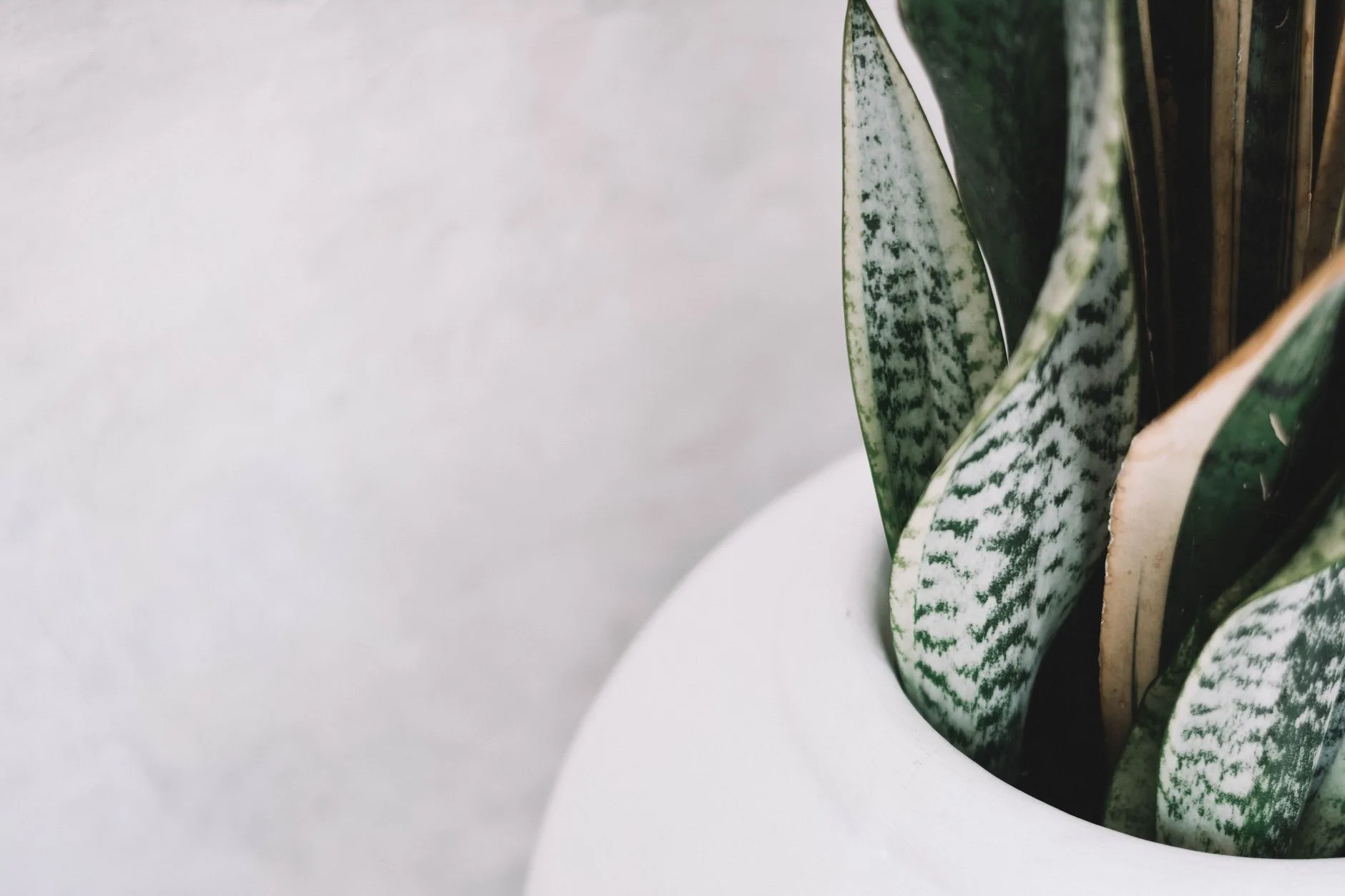
Snake plant
Snake plants are the easiest recommendation for busy UK homes. They tolerate lower light, missed watering and dry centrally heated rooms better than most. A small plant is usually around £10-£18 from B&Q, local garden centres or Amazon UK, while larger potted versions from plant-delivery shops often sit around £25-£45 depending on height and pot.
The appeal is practical: upright leaves, small footprint, no trailing stems and very little drama. If you have a narrow hallway, bedroom corner or home-office shelf, a snake plant earns its space.
Peace lily
Peace lilies are cheap, widely available and good at telling you when they need water. The leaves droop, you water it, and it perks up. Crocus lists a 13cm pot peace lily at about £7.99, while dressed-up versions with decorative pots can be £20-£50.
The catch is toxicity. Peace lilies are not a good choice if you have cats, dogs or young children who chew leaves. They also dislike being left bone-dry for too long, so they are less forgiving than snake plants.
Spider plant
Spider plants are hard to kill and easy to propagate. They are the plant equivalent of a sourdough starter: buy one, then suddenly there are babies everywhere. Small plants are commonly £5-£12 in garden centres, and B&Q has listed mixed air-purifying collections with spider plant, peace lily and snake plant around £23.99.
They suit shelves, kitchens and bathrooms with bright indirect light. The main maintenance job is trimming brown tips and avoiding overwatering.
Dracaena
Dracaenas look more architectural than spider plants, so they work well in living rooms and home offices. Expect to pay around £20-£45 for a decent-sized plant from UK plant shops, more if it comes in a ceramic pot.
The downside is sensitivity. Brown leaf tips are common if the air is dry, watering is inconsistent or tap-water minerals build up. It is a good plant, but not the one I would buy first for a dark spare room.
English ivy
English ivy appears in many air-purifying plant lists, but indoors it can be fiddly. It likes bright light, cooler rooms and steady moisture. In a centrally heated house it may attract spider mites, especially in winter.
I would only pick it if you specifically want a trailing plant and have a bright, cool spot. A pothos or heartleaf philodendron is usually easier, even if it is less tied to the NASA list.
What to Buy if You Still Want Houseplants
Start with the room, not the claim on the label. A plant that survives for years is better than a supposedly air-purifying plant that dies in six weeks and grows mould on the compost.
Best simple starter set
For most people, I would buy:
- One snake plant. Put it in a bedroom, hall or study; budget about £15-£30.
- One spider plant. Use it in a brighter kitchen, bathroom or shelf spot; budget about £6-£12.
- One pothos or philodendron. Not a NASA-list headline plant, but easier than ivy; budget about £10-£20.
If you want the air-purifying label for the satisfaction of it, the B&Q mixed collection at about £23.99 is a reasonable low-risk purchase. Just treat it as three easy houseplants, not a health intervention.
Pot size matters more than the label
A tiny 6cm plant in a decorative pot will not change the feel of a room much. A 12cm or 13cm pot is the better starting size for value. It is still affordable, but the roots are established enough that the plant can handle a bit of imperfect care.
For a sideboard, desk or bedside table, 12-17cm pots are usually right. For a floor-standing plant, look for 21cm+ pots and expect to pay £35-£80 depending on height. That is where buying locally can beat delivery, because you can check the leaves and compost before paying.
Do not overbuy accessories
You do not need a plant-care gadget drawer. A basic moisture meter is usually £6-£12 from Amazon UK or garden centres, but your finger works nearly as well for most plants. A 1-litre indoor watering can costs around £8-£15. A bag of peat-free houseplant compost is often £5-£8.
Spend the money on the right light and pot size first. Decorative pots are where the cost runs away. A £7.99 peace lily in a nursery pot can become a £49.98 purchase once a glazed pot is bundled with it, and the plant itself is not any healthier because the pot looks smarter.
Where Houseplants Can Make Indoor Air Worse
Houseplants are not risk-free for air quality. They are usually fine, but poor care can make them part of the problem.
Overwatering and mould
Overwatered compost can smell stale and grow surface mould. That does not mean the plant is dangerous, but it is a sign the pot is staying wet for too long. In a damp UK flat, that is the opposite of what you want.
Use pots with drainage holes, empty cachepots after watering, and let the top few centimetres of compost dry before watering again. Peace lilies like moisture, but even they should not sit in water.
Fungus gnats
Fungus gnats are the small black flies that hover around damp compost. They are more annoying than harmful, but they tell you the growing medium is too wet. Yellow sticky traps cost around £4-£7 and help, but the real fix is less watering and better drainage.
Pet and child safety
This is the part plant labels often hide in small print. Peace lilies, snake plants, pothos and many dracaenas can irritate pets if chewed. If you have a cat that treats greenery as a salad bar, choose pet-safer options such as spider plants, calathea or some palms, and still keep them out of reach.
Dust on leaves
Dusty leaves look sad and reduce the plant’s ability to photosynthesise. Wipe broad leaves with a damp cloth every few weeks. Do not polish them with oil. It blocks the look of the leaf rather than solving anything useful, and it attracts dust.
What Improves Indoor Air Quality More Reliably
If your goal is cleaner air, spend your effort where it has a measurable effect. Plants can sit alongside these steps, but they should not replace them.
Ventilation
Open windows when outdoor conditions make sense: after showering, after cooking, and when traffic pollution is lower. Use trickle vents if you have them. Run bathroom and kitchen extractors long enough to clear moisture, not just while you are in the room.
For damp rooms, a cheap hygrometer at £8-£12 is more useful than guessing. Aim to avoid long periods above roughly 60% relative humidity, because that is where condensation and mould risk climb. If the room often feels clammy, read the guide to measuring humidity at home before blaming the plants.
Source control
The cleanest pollutant is the one you do not release. Use lids when cooking, avoid unnecessary aerosols, choose low-odour cleaning products, dry clothes outside or with controlled ventilation where possible, and deal with leaks quickly.
If you are painting, decorating or buying new flat-pack furniture, ventilate more for the first few days. That will do more than adding another spider plant.
Filtration
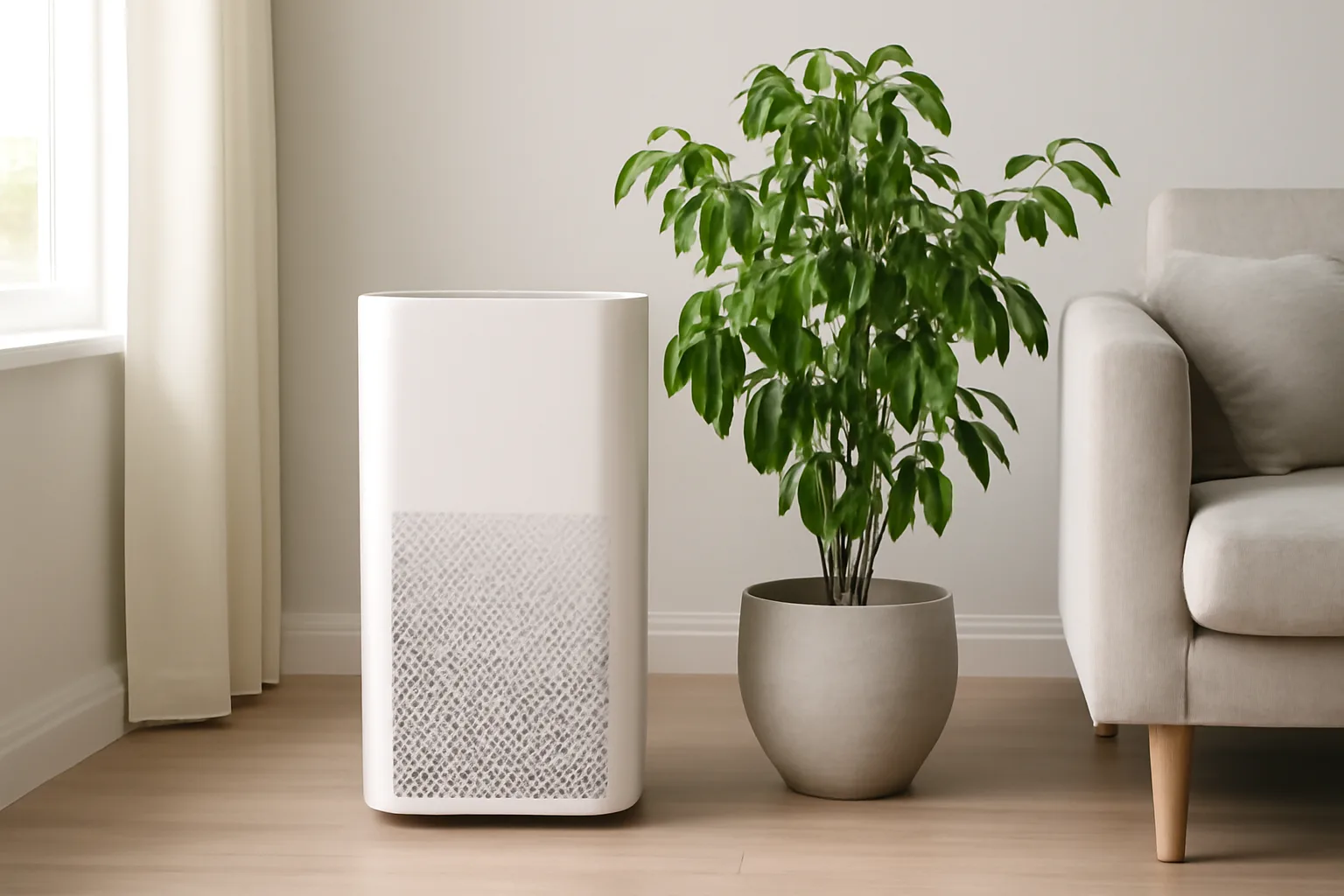
For particles such as pollen, smoke and fine dust, a proper air purifier with a HEPA-grade filter is the serious tool. Budget models often start around £80-£120, while stronger units for larger rooms can be £180-£350. Replacement filters usually cost £20-£70 a year depending on model and use, and the cheapest sensible route may be one of the air purifiers under £100 rather than more plants.
For gases and odours, look for activated carbon as well as particle filtration. A plant does not compete with a correctly sized purifier in a bedroom where hay fever, pet dander or traffic pollution is the real issue.
Monitoring
An air-quality monitor is not always needed, but it can stop guesswork. Basic humidity and temperature monitors are cheap. CO2 monitors are more expensive, usually £60-£150, but useful in home offices and bedrooms where poor ventilation leaves the room feeling stale.
If you already own BreatheCleanUK-style kit such as an air purifier, dehumidifier or humidity monitor, use the readings to make decisions. Plants are decoration; measurements tell you what is happening.
Bottom Line: Buy Plants for the Right Reason
The best air-purifying houseplants are not really air purifiers in the way most people mean it. NASA’s study found something real in sealed chambers, but normal UK homes are too ventilated, varied and messy for one or two plants to clean the air in a meaningful way.
I would still buy houseplants. A snake plant, spider plant and pothos make a room feel better, cost less than a takeaway for four if you shop carefully, and ask very little from you. Peace lilies are good value too, provided pets are not a concern.
Just be honest about the job. Buy plants because they look good, soften a room and make the house feel lived-in. Use ventilation, moisture control, source control and proper filtration when the goal is cleaner air.
Frequently Asked Questions
Did NASA prove houseplants clean indoor air? NASA showed that some plants removed certain chemicals in sealed test chambers. That does not prove that one or two houseplants will clean the air in a normal UK room.
Which NASA air-purifying plant is easiest to keep alive? A snake plant is the safest first choice for most UK homes. It tolerates missed watering, lower light and dry winter air better than a peace lily or English ivy.
Are air-purifying plant labels misleading? They can be. The plant may have appeared in laboratory research, but the label often skips the important detail that normal rooms have ventilation and changing pollutant sources.
How many plants would I need to clean a room? Far more than most people would sensibly keep. For everyday indoor air quality, ventilation and filtration are more reliable than trying to fill a room with enough plants to matter.
Are peace lilies safe around pets? No. Peace lilies can irritate cats and dogs if chewed, so they are a poor choice for households with curious pets. Spider plants are usually a better pet-friendly starting point.
Should I buy a plant or an air purifier? Buy a plant if you want a nicer room. Buy an air purifier if you need help with pollen, dust, smoke, pet dander or particles. They are different tools.