Every spring, you close the windows, pop an antihistamine, and wonder whether that air purifier you keep seeing advertised would actually help. The marketing says it removes 99.97% of allergens. Your friend swears by hers. But you’ve also read that they’re expensive gimmicks that don’t make a real difference. So what does the evidence actually say?
In This Article
- The Short Answer
- How Air Purifiers Remove Allergens
- Which Allergens Can Air Purifiers Help With?
- What the Clinical Research Says
- Why an Air Purifier Alone Isn’t Enough
- The Right Type of Filter for Allergies
- Room Size and Placement Matter
- Air Purifiers for Hay Fever
- Air Purifiers for Dust Mite Allergies
- Air Purifiers for Pet Allergies
- Air Purifiers for Mould Allergies
- Running Costs for Allergy Sufferers
- What Else Helps Alongside a Purifier
- Frequently Asked Questions
- The Verdict
The Short Answer
Yes, air purifiers can help with allergies — but with important caveats. A purifier with a true HEPA filter will capture airborne allergens like pollen, dust mite debris, pet dander, and mould spores. Clinical studies show measurable symptom reduction for some allergy sufferers, particularly those with hay fever and pet allergies. However, an air purifier isn’t a cure. It works best as part of a broader allergen-reduction strategy, and it only helps with airborne particles — not the allergens sitting on your sofa, bedding, or carpet.
How Air Purifiers Remove Allergens
Understanding the mechanism helps you set realistic expectations about what a purifier can and can’t do.
HEPA Filtration
HEPA (High Efficiency Particulate Air) filters are dense mats of randomly arranged fibres that trap particles through three mechanisms:
- Interception — particles following the airstream come close enough to a fibre to stick to it
- Impaction — larger particles can’t follow the airstream around fibres and collide with them directly
- Diffusion — the smallest particles (under 0.1 microns) move erratically due to collisions with gas molecules and eventually contact a fibre
A true HEPA filter (H13 grade) captures 99.97% of particles at 0.3 microns — which happens to be the most difficult particle size to catch. Larger and smaller particles are actually captured at even higher rates. Most allergens (pollen: 10-100 microns, dust mite debris: 1-10 microns, pet dander: 2.5-10 microns) are well within HEPA’s effective range.
Activated Carbon Filtration
Carbon filters adsorb gases and odours rather than particles. They remove volatile organic compounds (VOCs), cooking smells, and cigarette smoke. For allergies specifically, they’re less important than HEPA — but they do remove pet odours and the chemical irritants that can worsen allergy symptoms in some people.
Our HEPA vs activated carbon comparison explains the difference in detail.
UV-C and Ionisers
Some purifiers include UV-C lamps or ionisers. UV-C can kill bacteria and viruses but has limited effect on allergens (which are proteins, not living organisms). Ionisers charge particles so they stick to surfaces rather than floating in the air — which technically clears the air but deposits allergens on your walls and furniture instead of capturing them in a filter. For allergy relief, neither adds meaningful value over HEPA alone.
Which Allergens Can Air Purifiers Help With?
Not all allergens behave the same way. How long they stay airborne determines how well a purifier can capture them.
Highly Effective For
- Pollen — large particles (10-100 microns) that stay airborne for minutes to hours after entering through windows or on clothing. HEPA filters capture pollen with near-100% efficiency
- Mould spores — 2-20 micron particles that become airborne readily and stay suspended. HEPA captures them well
- Fine pet dander — the smallest dander particles (under 5 microns) remain airborne for hours. HEPA handles these well
Moderately Effective For
- Dust mite allergens — the allergenic proteins are in dust mite faeces, which are 10-40 microns and settle quickly onto surfaces. A purifier captures what’s airborne, but most of the allergen is in your mattress, pillows, and carpet, not floating in the air
- Larger pet dander — bigger particles settle fast. The purifier helps but regular vacuuming and washing matter more
Not Effective For
- Allergens embedded in soft furnishings — dust mites in your mattress, pet hair on the sofa, pollen trapped in carpet fibres. These need cleaning, not air filtration
- Cockroach allergens — primarily in droppings and body fragments that settle on surfaces
- Food allergens — not airborne in any meaningful concentration in domestic settings
What the Clinical Research Says
The evidence is mixed but leans positive for certain conditions.
Hay Fever (Seasonal Allergic Rhinitis)
A 2018 systematic review in the Journal of Allergy and Clinical Immunology found that HEPA air purifiers reduced airborne pollen counts indoors by 55-80% and were associated with reduced nasal symptoms in hay fever sufferers. The benefit was most pronounced when purifiers were used in bedrooms overnight during high pollen seasons. The NHS guidance on hay fever lists air purifiers among the environmental measures that can help manage symptoms.
Asthma
The evidence for asthma is weaker. A Cochrane Review found limited evidence that air purifiers alone improve asthma outcomes. However, when combined with other allergen-reduction measures (mattress covers, regular vacuuming, humidity control), there was a modest improvement in symptom scores. The key word is “combined” — an air purifier alone isn’t enough for asthma management.
Pet Allergies
Studies on cat and dog allergen reduction show that HEPA purifiers reduce airborne pet dander by 50-70%. This translates to symptom improvement for many pet allergy sufferers, though the effect varies. People with severe pet allergies often find that a purifier helps but doesn’t eliminate symptoms entirely — the allergens on surfaces, clothing, and soft furnishings contribute too much.
Why an Air Purifier Alone Isn’t Enough
This is the part the marketing skips. An air purifier is one tool in an allergen-reduction strategy, not a standalone solution.
The Surface Problem
Most allergens spend more time on surfaces than in the air. Dust mite allergens concentrate in mattresses, pillows, and carpets. Pet dander accumulates on furniture and clothing. Pollen settles on windowsills, floors, and soft furnishings. A purifier only catches what’s airborne — and for many allergens, that’s a fraction of the total load in your home.
The Source Problem
An air purifier doesn’t stop allergens from entering your home. Pollen comes in through open windows and on clothing. Pet dander is continuously produced by your pet. Dust mites breed in your bedding regardless of air quality. The purifier treats the symptom (airborne particles) rather than the cause (the source of those particles).
What This Means Practically
An air purifier reduces your overall allergen exposure, which may push you below the threshold where symptoms trigger. Think of it like turning down the volume — if you’re at 8 out of 10 on the allergen scale and the purifier brings you to 5, that might be enough to stop your symptoms. But if you’re at 10 and it brings you to 7, you’ll still suffer. That’s why combining it with other measures matters.
The Right Type of Filter for Allergies
Must Have: True HEPA (H13)
This is non-negotiable for allergy relief. True HEPA H13 filters capture 99.97% of particles at 0.3 microns. Don’t confuse this with “HEPA-type” or “HEPA-style” filters, which are marketing terms for inferior filters that capture as little as 85-90% of particles.
Nice to Have: Activated Carbon
Useful if chemical irritants, cooking odours, or pet smells worsen your symptoms. Not essential for particle-based allergies but adds comfort.
Skip: Ionisers and UV-C
For allergies specifically, these add cost without meaningful benefit. If the purifier includes them as a bonus feature, fine — but don’t pay a premium for them.
Filter Replacement
HEPA filters need replacing every 6-12 months depending on use and air quality. Running an allergy purifier with a clogged filter is counterproductive — airflow drops, efficiency falls, and in extreme cases, captured particles can re-enter the air. Our guide on when and how to change filters covers the practicalities.
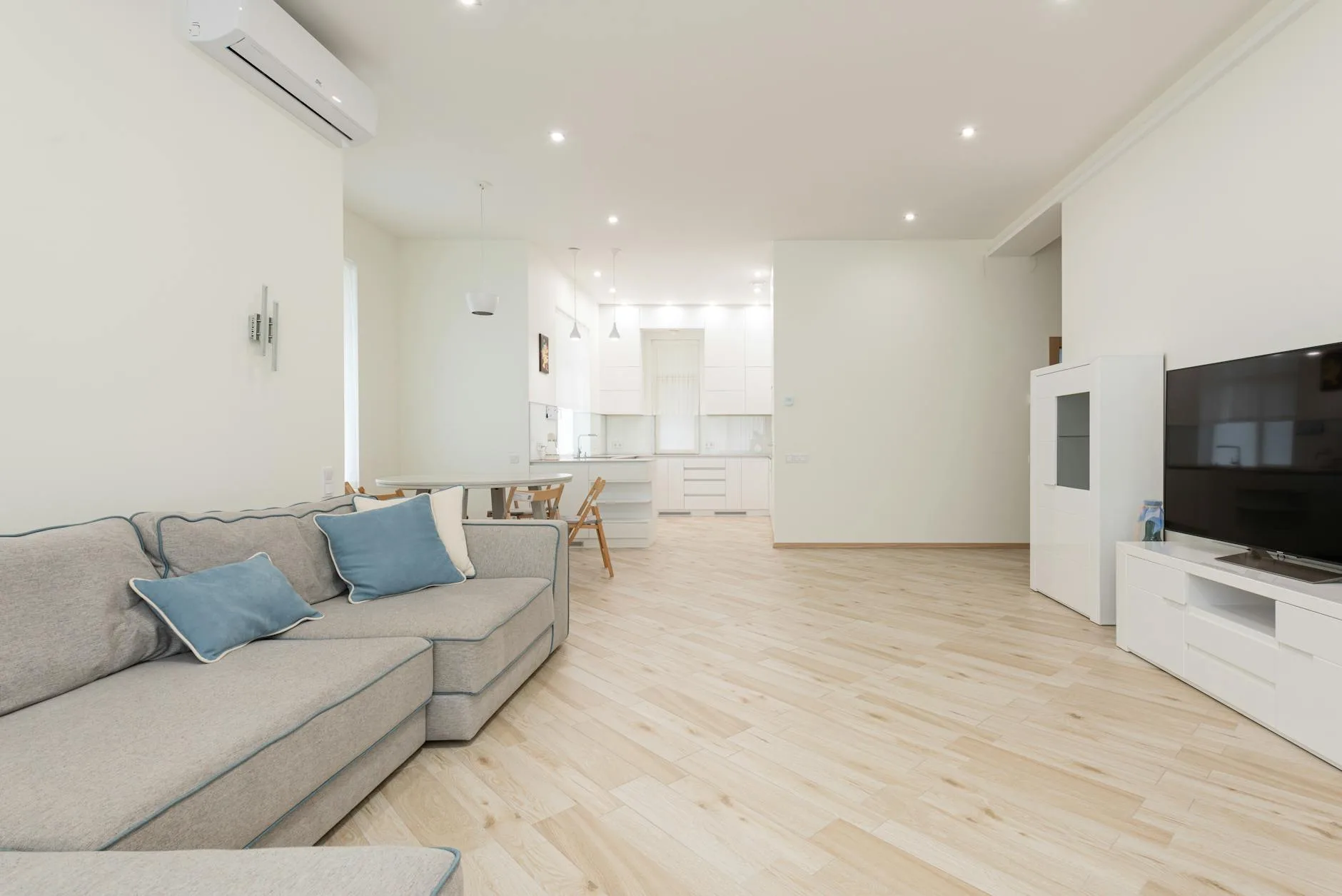
Room Size and Placement Matter
A purifier rated for a 20-square-metre room won’t help in a 40-square-metre living room. And where you place it affects performance considerably.
CADR Ratings
Clean Air Delivery Rate (CADR) measures how quickly a purifier cleans air, measured in cubic metres per hour. For allergy relief:
- Bedroom (12-15m²): CADR of at least 150 m³/h
- Living room (20-30m²): CADR of at least 300 m³/h
- Open-plan space (40m²+): CADR of at least 450 m³/h or consider two units
Placement Rules
- Keep it elevated — placing the purifier on a table or shelf (about desk height) catches particles at the level where you breathe them
- Away from walls — at least 30cm from walls and furniture for proper airflow circulation
- Near the source — if pollen is the problem, place it near the window. If pet dander, near where the pet sleeps
- Bedroom priority — you spend 7-8 hours in your bedroom. This is where a purifier makes the biggest difference for allergy sufferers
Air Purifiers for Hay Fever
Hay fever is the allergy where air purifiers help most, because pollen is large, stays airborne, and is efficiently captured by HEPA.
How to Get the Most Benefit
- Keep windows closed during high pollen hours (early morning and evening in the UK, typically 5-9am and 5-7pm)
- Run the purifier continuously in the bedroom — overnight use is the most effective period
- Change clothes when you come inside and shower before bed to avoid bringing pollen into the bedroom
- Set the purifier to a higher fan speed during peak pollen season (April-July for grass pollen in the UK)
- Check the Met Office pollen forecast daily — run the purifier on high when counts are elevated
Realistic Expectations
A purifier won’t eliminate hay fever symptoms. It reduces indoor pollen concentration, which may reduce symptom severity. Most users report the biggest improvement in sleep quality — fewer overnight symptoms mean better rest, which helps the body manage daytime exposure better.
Air Purifiers for Dust Mite Allergies
This is where expectations need the most managing. Dust mite allergens are primarily in bedding, mattresses, and carpets — not in the air.
What a Purifier Can Do
Capture the dust mite faecal particles (the actual allergen) that become airborne when you move around, vacuum, or disturb bedding. This reduces the airborne component of your exposure.
What It Can’t Do
Remove the dust mites from your mattress, pillows, or carpet. The mites themselves are 200-300 microns — far too large to become airborne. Their faecal pellets (10-40 microns) do become airborne briefly but settle quickly.
The Better Strategy
A purifier combined with anti-allergy bedding covers, weekly hot washing of sheets (60°C minimum), and regular vacuuming with a HEPA-filtered vacuum will reduce dust mite allergen exposure far more than a purifier alone.
Air Purifiers for Pet Allergies
Pet dander is one of the most persistent indoor allergens, and air purifiers make a measurable difference here.
Why Purifiers Help
The most allergenic pet particles (Fel d 1 from cats, Can f 1 from dogs) are tiny — 2.5-10 microns — and stay airborne for hours. A HEPA purifier running continuously in the room where the pet spends most time can reduce airborne dander by 50-70%.
Why They’re Not Enough
Pet allergens stick to everything — clothing, furniture, curtains, walls. Removing a pet from a home, the allergens persist for months even after thorough cleaning. A purifier helps but won’t eliminate symptoms if you’re highly sensitive and the pet sleeps on your bed.
Practical Tips
- Run a purifier in any room the pet uses regularly
- Keep pets out of the bedroom (this alone reduces nighttime symptoms more than any purifier)
- Wash hands after handling the pet before touching your face
- Vacuum soft furnishings weekly with a HEPA vacuum
Air Purifiers for Mould Allergies
Mould spores are efficiently captured by HEPA filters, making purifiers useful for mould allergy sufferers — but again, addressing the source matters more.
What Helps
A purifier captures airborne mould spores (2-20 microns), reducing inhalation exposure. This is particularly useful in damp rooms, older properties, and during autumn when outdoor mould counts peak.
What Helps More
Fix the moisture problem. Mould grows where there’s persistent dampness — bathroom ceilings, around windows with condensation, behind furniture on cold external walls. A dehumidifier, improved ventilation, and treating the mould itself are more effective long-term solutions. Our guide on humidifiers vs dehumidifiers covers the humidity management side.
Running Costs for Allergy Sufferers
Running a purifier for allergy relief usually means running it more than a casual user — often continuously in one or more rooms.
Electricity
Most modern HEPA purifiers draw 30-70 watts on medium settings. Running one 24/7 costs about £3-7 per month depending on the model and your electricity rate. Running two (bedroom and living room) doubles that. It’s comparable to a lamp left on permanently — noticeable but not expensive.
Filter Replacement
This is the significant ongoing cost:
- HEPA filters: £20-60 per replacement, every 6-12 months
- Carbon pre-filters: £10-25, every 3-6 months
- Annual cost: roughly £40-100 per purifier depending on the brand
Cheaper purifiers often have more expensive proprietary filters. Check replacement filter prices before buying the machine — a £100 purifier with £50 annual filters costs more over 5 years than a £200 purifier with £30 annual filters. Our running costs breakdown has the full maths.

What Else Helps Alongside a Purifier
Environmental Measures
- Encase mattresses and pillows in allergen-proof covers — reduces dust mite exposure more than any other single measure
- Wash bedding weekly at 60°C — kills dust mites and removes allergen buildup
- Vacuum with a HEPA-filtered vacuum — regular vacuums blow fine particles back into the air
- Control humidity — keep it between 40-50% to discourage dust mites and mould
- Remove carpet if possible — hard floors harbour far fewer allergens than carpet
Medical Treatments
An air purifier complements but doesn’t replace medical treatment:
- Antihistamines — cetirizine, loratadine, fexofenadine (all available over the counter in the UK)
- Nasal corticosteroid sprays — beclometasone, fluticasone (available OTC or via prescription)
- Immunotherapy — a long-term treatment option for severe allergies, available through NHS allergy clinics
- Eye drops — sodium cromoglicate for itchy, watery eyes
Frequently Asked Questions
Should I run my air purifier all day for allergies? Yes, or at least during the hours you spend in the room. Air purifiers work continuously — they don’t “clean” the air once and stop. New allergens enter the room constantly through doors, windows, and on clothing. For maximum benefit, run it overnight in the bedroom and during the day in your main living space.
Where should I put my air purifier for allergies? The bedroom is the priority — you spend 7-8 hours there and allergen reduction during sleep has the biggest impact on symptom relief. Place it at least 30cm from walls, elevated if possible, and away from obstructions that block airflow. If you have a second unit, place it in the room where you spend the most daytime hours.
Do air purifiers help with hay fever at night? Yes, this is one of their strongest use cases. Pollen that enters the bedroom during the day settles on surfaces and becomes re-suspended when you move in bed. A purifier running overnight continuously captures these particles, reducing the nasal congestion, sneezing, and eye irritation that disrupt sleep during pollen season.
Can an air purifier replace antihistamines? No. An air purifier reduces airborne allergen exposure but doesn’t eliminate it. Most allergy sufferers find that a purifier reduces symptom severity, which may allow them to use less medication, but it rarely replaces it entirely. Continue any prescribed or regular medication and consult your GP before making changes.
How quickly will I notice a difference? Most people notice reduced symptoms within 1-3 days of running a correctly sized HEPA purifier in their bedroom. The improvement tends to be gradual — better sleep quality first, followed by reduced daytime symptoms as your body’s overall allergen load decreases. Full benefit typically takes 1-2 weeks of consistent use.
The Verdict
Air purifiers help with allergies. They’re not a miracle cure, and the marketing overstates their impact, but the evidence supports genuine benefit — particularly for hay fever and pet allergies, where HEPA filtration captures the most problematic airborne particles.
The biggest mistake allergy sufferers make is buying a purifier and expecting it to solve everything. It won’t. But combined with proper bedding protection, regular cleaning, humidity control, and appropriate medication, a HEPA purifier meaningfully reduces your total allergen exposure. For many people, that’s the difference between manageable symptoms and miserable ones.
If you’re going to buy one, get a properly sized unit with a true HEPA H13 filter, put it in your bedroom, and run it overnight. That single change will do more for your allergy symptoms than any other environmental measure you can make. Our best air purifiers for allergies roundup covers the specific models worth buying.