You’ve been getting headaches every afternoon, the kids seem to cough more at home than at school, and the house feels stuffy even with the heating off. You suspect the air quality might be the problem, but how do you actually test it? Unlike outdoor pollution — which gets measured by DEFRA stations and reported on the news — indoor air quality is invisible, unmeasured, and almost entirely your responsibility. The good news is that testing it at home ranges from free (opening a window and seeing if you feel better) to surprisingly affordable (under £50 for a decent monitor).
In This Article
- What You Should Actually Test For
- Free Tests You Can Do Right Now
- Indoor Air Quality Monitors
- Testing for Specific Pollutants
- Humidity and Temperature Monitoring
- When to Call a Professional
- What to Do with Your Results
- Frequently Asked Questions
What You Should Actually Test For
The Big Five Indoor Pollutants
Not all air quality issues are equal. These are the ones that actually matter in UK homes:
- PM2.5 (fine particulate matter) — tiny particles from cooking, candles, fireplaces, and outdoor pollution that penetrate deep into lungs. The World Health Organization guideline is below 15 µg/m³ annual average
- CO2 (carbon dioxide) — a proxy for ventilation. Above 1,000 ppm means the room needs more fresh air. Above 2,000 ppm causes drowsiness and poor concentration
- VOCs (volatile organic compounds) — chemicals off-gassing from paint, furniture, cleaning products, and air fresheners. Our guide to VOCs and how to reduce them covers these in detail
- Humidity — not a pollutant, but wrong levels cause problems. Below 30% dries out airways. Above 60% encourages mould and dust mites
- Carbon monoxide (CO) — odourless, potentially fatal. Every home should have a CO alarm already — this is a safety device, not an air quality luxury
What You Probably Don’t Need to Test For
Radon is a genuine concern in some UK areas (Cornwall, Devon, parts of the Peak District), but it requires a specific test kit, not a general air quality monitor. UK radon maps from Public Health England show whether your area is affected. If it is, order a free or cheap test kit from the UK Radon Programme.
Formaldehyde is worth monitoring if you have new furniture, new carpets, or recent renovations, but it’s covered by most VOC sensors as part of the total VOC reading.
Free Tests You Can Do Right Now
The Ventilation Check
Open all windows for 30 minutes. If your headaches clear, your concentration improves, or the stuffy feeling disappears, poor ventilation is your primary issue. This tells you the problem is CO2 build-up and stale air rather than a specific pollutant. The fix is better ventilation, not an air purifier.
The Condensation Test
Check your windows every morning for a week. When we moved into our current place, I did this religiously for the first fortnight — it immediately flagged the bedroom and kitchen as problem rooms. Persistent condensation means humidity is too high — a dehumidifier or better ventilation is the answer. No condensation at all in winter might mean humidity is too low, which dries out airways and causes irritation.
The Nose Test
Your nose is surprisingly good at detecting air quality problems:
- Musty smell — likely mould, even if you can’t see it. Check behind furniture, under carpets, in cupboards
- Chemical smell — VOCs from paint, cleaning products, new furniture, or air fresheners
- Stale, heavy air — high CO2 from poor ventilation
- No smell but symptoms — this is where monitors help, because some pollutants (CO2, PM2.5, CO) are odourless
The Symptom Diary
Track when symptoms occur. Headaches every afternoon? Check CO2 levels — they build up in occupied rooms. Coughing at night? Check bedroom humidity and dust mite allergens. Symptoms that improve away from home? The indoor environment is likely contributing.
Indoor Air Quality Monitors
What to Look For
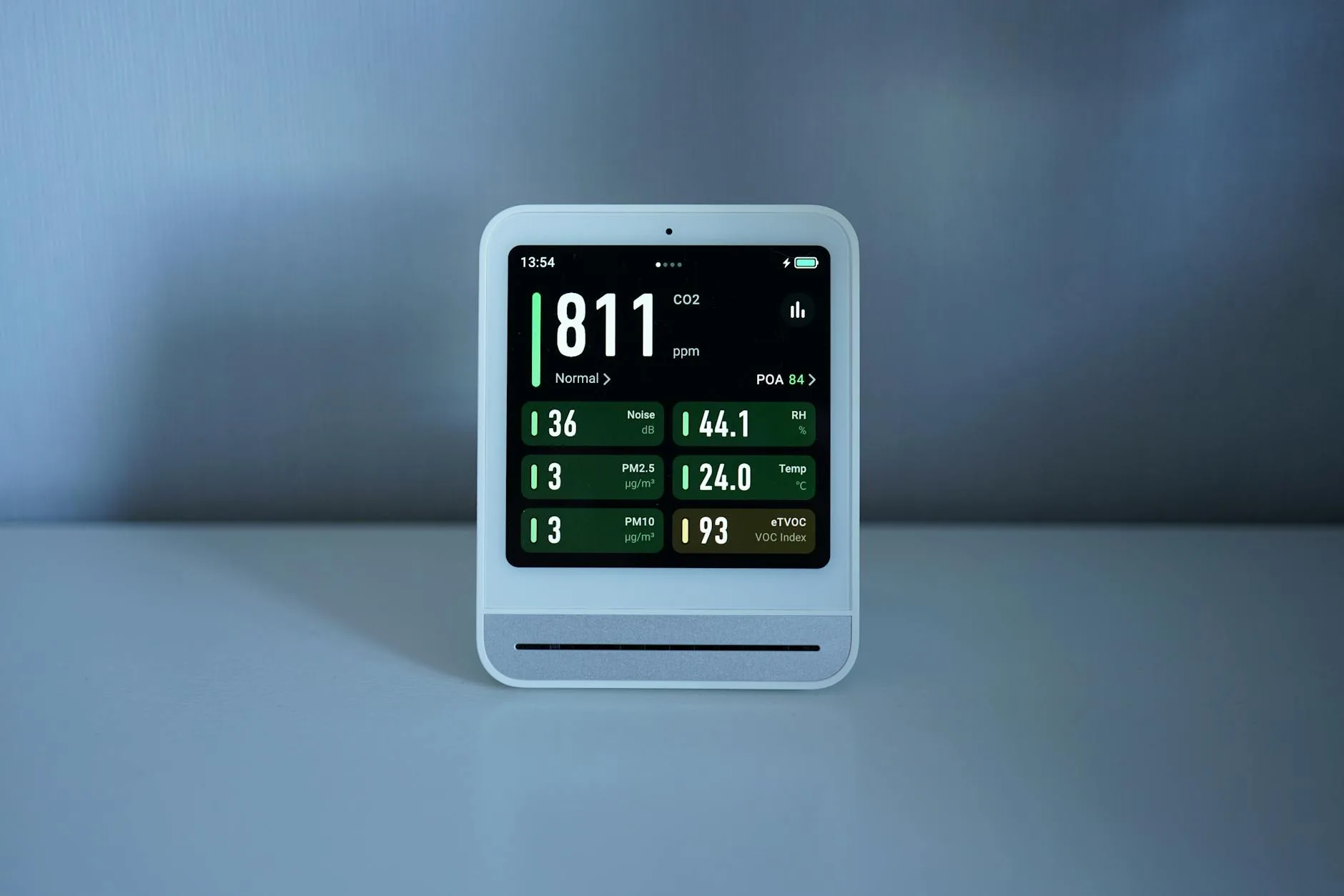
A good home air quality monitor should measure at least CO2 and PM2.5. Better models add VOC detection, humidity, and temperature. The best ones log data over time so you can spot patterns — is the air worse at night, during cooking, or when the heating kicks in?
Budget Option: Temtop M10
About £50-70 from Amazon UK. Measures PM2.5 and AQI (air quality index) with a real-time display. It won’t measure CO2 or VOCs, but for most homes where particulate matter from cooking and candles is the main concern, it’s a practical starting point. I used one of these for six months and the most useful discovery was how much frying without the extractor spiked PM2.5 — from 15 to over 200 µg/m³ in minutes.
Mid-Range: IKEA VINDSTYRKA
About £30-40 from IKEA stores. Measures PM2.5 and tVOC (total volatile organic compounds) with an LED indicator and integration with the IKEA Home Smart app. The VOC sensor is basic but functional — it’ll alert you to spikes from cleaning products, paint, or new furniture. Surprisingly capable for the price.
Advanced: Airthings Wave Plus
About £200-230 from Amazon UK or Airthings direct. Measures CO2, PM2.5, VOCs, humidity, temperature, radon, and air pressure. The radon detection alone makes it worthwhile if you’re in an affected area. Data logs to an app, showing trends over days and weeks. This is the monitor that tells you everything about your home’s air.
Smart Home: Eve Room
About £90-110 from Apple Store or Amazon UK. Measures CO2, VOCs, humidity, and temperature with Apple HomeKit integration. If you’re in the Apple ecosystem, you can set automations — turning on a smart plug-connected air purifier when CO2 exceeds a threshold, for example. Looks good enough to leave on a shelf permanently.
Testing for Specific Pollutants
Carbon Monoxide
Every UK home should have a CO alarm — this is a legal requirement for homes with gas appliances or solid fuel heating. If you don’t have one, buy one today (about £15-25 from Argos, Screwfix, or Amazon UK). CO monitors are separate from smoke alarms and should be placed in every room with a fuel-burning appliance.
Mould Spores
If you suspect mould but can’t see it, home mould test kits are available (about £10-20 from Amazon UK). These use petri dishes that collect airborne spores over 24-48 hours. Some kits include laboratory analysis. However, if you can smell mould, you have mould — the test just confirms what your nose already told you.
Radon
The UK Radon Programme provides postal test kits for about £35 for a pair (you test two rooms simultaneously over 3 months). This is the only reliable way to measure radon levels — no handheld monitor provides the long-term average reading needed for an accurate assessment. If results exceed the UK action level of 200 Bq/m³, remediation options include improved ventilation and radon sumps.
Allergens
Dust mite allergens, pet dander, and pollen aren’t detected by standard air quality monitors. If allergies are your concern, an air purifier with a HEPA filter removes these mechanically. Testing for specific allergens requires professional environmental testing (about £150-300).
Humidity and Temperature Monitoring
Why These Matter
Humidity and temperature work together to determine comfort and health. High humidity plus warm temperatures creates ideal conditions for dust mites and mould. Low humidity plus high temperatures (common in centrally heated homes in winter) dries out airways, causing sore throats, nosebleeds, and increased susceptibility to infections.
What to Aim For
- Humidity: 40-60% relative humidity. Below 30% is too dry. Above 70% is mould territory
- Temperature: 18-21°C for living rooms, 16-18°C for bedrooms
- Consistency matters — large swings between day and night cause condensation and comfort issues
Budget Monitoring
A basic digital hygrometer costs £5-10 from Amazon UK and tells you humidity and temperature in real time. Place one in the bedroom, one in the living room, and one in the bathroom. Check readings daily for a week to understand your home’s patterns. Our guide on measuring home humidity walks through this process step by step.
I’ve had three hygrometers running in different rooms for over a year now, and the data has been genuinely useful — it showed that our bedroom humidity spikes to 72% overnight with the door closed, which explained the morning condensation perfectly. Opening the door 10cm before bed dropped it to 55%.
When to Call a Professional
Signs You Need Expert Help
- Persistent symptoms that don’t improve with better ventilation
- Visible mould covering more than 1 square metre — this requires professional remediation
- Suspected asbestos — never disturb it yourself. Common in pre-1990s homes
- Gas or CO alarm triggers — evacuate and call the Gas Emergency Service (0800 111 999)
- New build or recent renovation with strong chemical smells that persist beyond 2-3 weeks
What Professional Testing Involves
A professional indoor air quality assessment costs £200-500 and typically includes continuous monitoring over 24-48 hours, specific pollutant analysis, and a report with recommendations. The assessor will place monitoring equipment throughout your home — usually in the bedroom, living room, kitchen, and any problem areas you’ve identified. The resulting report breaks down each pollutant level, compares it to WHO and UK guidelines, and provides prioritised recommendations.
This is particularly worthwhile for homes with complex issues — a combination of damp, poor ventilation, nearby traffic pollution, and new building materials can interact in ways that a single sensor won’t reveal. Companies like IndoorAir Quality UK and EnviroVent offer this service. It’s worth considering if DIY testing hasn’t identified the problem.
Local Authority Help
Your local council’s environmental health team can investigate if you suspect a landlord is failing to address damp, mould, or ventilation issues. Under the Housing Health and Safety Rating System (HHSRS), landlords have a legal obligation to address serious indoor air quality hazards.

What to Do with Your Results
High CO2 (above 1,000 ppm)
Improve ventilation. Open windows, use trickle vents, consider a PIV (Positive Input Ventilation) system. CO2 is always a ventilation problem — there’s no filter or purifier that removes it.
High PM2.5 (above 25 µg/m³ sustained)
Identify the source. Common culprits: cooking without extraction, burning candles or incense, wood-burning stoves, or outdoor pollution entering through open windows. An air purifier with HEPA filtration reduces PM2.5 well.
High VOCs
Ventilate the affected room. Remove the source if possible (air fresheners, certain cleaning products). If new furniture or paint is the cause, ventilate heavily for the first 2-3 weeks — VOC off-gassing is highest when products are new and drops rapidly.
High Humidity (above 60%)
Use a dehumidifier, improve ventilation, reduce moisture sources (drying clothes, long showers). Our complete indoor air quality guide covers all of these interventions in detail.
Low Humidity (below 30%)
Use a humidifier, reduce heating, or add houseplants (which release moisture through transpiration). Don’t over-humidify — aim for 40-50%.
Track Changes Over Time
A single reading tells you very little. Air quality varies by time of day, season, weather, and your own activities. The real value comes from monitoring over weeks — you’ll spot patterns like PM2.5 spikes every evening when you cook, CO2 climbing through the night in a closed bedroom, or humidity peaks after showering. These patterns tell you exactly where to intervene, rather than guessing.
Frequently Asked Questions
Do I need an air quality monitor? If you have unexplained symptoms at home (headaches, fatigue, coughing) or live in a poorly ventilated building, a monitor helps identify the cause. For most UK homes, a basic hygrometer (£5-10) plus good ventilation habits solve the majority of air quality issues without expensive monitoring equipment.
How accurate are home air quality monitors? Consumer-grade monitors are accurate enough for home decision-making but not laboratory-precise. CO2 sensors are generally reliable within ±50-100 ppm. PM2.5 laser sensors are accurate for detecting trends and spikes but may differ from reference instruments by 10-20%. VOC sensors detect changes rather than measuring specific chemicals.
Is indoor air quality worse than outdoor? Often, yes. The EPA estimates that indoor air can be 2-5 times more polluted than outdoor air because pollutants concentrate in enclosed spaces. Cooking, cleaning products, furniture off-gassing, and poor ventilation all contribute to indoor pollution levels that exceed outdoor concentrations.
How often should I test my indoor air quality? Continuous monitoring is ideal — a permanent sensor gives you ongoing data. If using spot-check methods, test weekly for a month when you first set up, then monthly thereafter. Re-test whenever you make changes (new furniture, new cleaning products, changes to ventilation).
Can houseplants improve air quality? The NASA clean air study suggested they could, but subsequent research has shown the effect is negligible in real-world conditions. You would need hundreds of plants per room to measurably reduce pollutants. Plants do add a small amount of humidity, which can help in dry homes, but they are not a substitute for ventilation or air purification.