There is a patch of black mould in the corner of your bedroom ceiling. It started as a few speckles last winter, and now it is the size of a dinner plate. The wallpaper behind your bed is peeling. Your bathroom smells musty no matter how much you clean it. The windows stream with condensation every morning from October to March. You are not living in a derelict building — this is a perfectly normal British house, and damp and mould affect roughly one in five UK homes. The problem is almost always fixable, but the solution depends entirely on understanding what type of damp you have and what is causing it.
In This Article
- The Three Types of Damp
- Condensation: The Most Common Cause of Mould in UK Homes
- How to Reduce Condensation
- Ventilation: The Single Biggest Fix
- Heating and Insulation
- Dehumidifiers: When Ventilation Is Not Enough
- How to Remove Existing Mould Safely
- Rising Damp: What It Is and What It Is Not
- Penetrating Damp: External Water Getting In
- When to Call a Professional
- Renters Rights and Landlord Responsibilities
- Frequently Asked Questions
The Three Types of Damp
Not all damp is the same. The treatment depends entirely on the cause, and getting this wrong means wasting money on solutions that do not address the actual problem.
Condensation Damp
Moisture from the air inside your home settling on cold surfaces. This is by far the most common type of damp in UK homes — responsible for the vast majority of mould problems. Caused by inadequate ventilation, excess moisture from cooking, showering, and drying clothes indoors, and cold surfaces where warm moist air meets a chilly wall or window.
Rising Damp
Groundwater travelling upward through walls by capillary action. Genuine rising damp is much rarer than the damp-proofing industry would have you believe. It leaves tide marks on walls no higher than about 1 metre from the ground and is associated with old properties where the damp proof course has failed or was never installed.
Penetrating Damp
Water entering the building from outside — through damaged roofing, cracked render, failed pointing, leaking gutters, or faulty flashings. This creates damp patches that get worse during or after rain and are often localised to specific areas.
Most domestic mould is caused by condensation. If your mould is on ceilings, around windows, in corners, or behind furniture pushed against external walls, condensation is almost always the cause. The NHS guidance on damp and mould confirms that mould caused by condensation is a serious health hazard, particularly for people with asthma, allergies, and weakened immune systems.
Condensation: The Most Common Cause of Mould in UK Homes
Condensation happens when warm, moist air hits a surface that is below its dew point. The moisture in the air turns into liquid water on that surface. It is the same process that makes your bathroom mirror fog up after a shower — except when it happens on your bedroom wall, the moisture feeds mould growth.
Where the Moisture Comes From
A family of four produces roughly 10-15 litres of moisture per day through normal activities:
- Breathing and sleeping — each person produces about 0.5 litres per night
- Cooking — boiling a pan of pasta produces about 1.5 litres of steam
- Showering — a typical shower adds 0.5-1 litre to the air
- Drying clothes indoors — a single load of washing releases 2-3 litres of moisture as it dries. This is the biggest single source of indoor moisture for most UK households
- Unvented tumble dryers — condenser dryers are fine, but vented dryers that exhaust into the room pump moisture directly into the air
Why UK Homes Are Particularly Vulnerable
British housing stock is a perfect storm for condensation:
- Old, solid-walled properties — no cavity insulation, cold internal wall surfaces
- Modern, tightly sealed homes — excellent insulation but poor ventilation. New-build homes are particularly prone because they are built to be airtight for energy efficiency
- Single glazing or old double glazing — cold glass surfaces are condensation magnets
- Small rooms — British rooms are smaller than most European equivalents, concentrating moisture in less air volume
- Climate — mild, damp winters mean we heat intermittently rather than continuously, and outdoor air is humid for months at a time
How to Reduce Condensation
Reduce Moisture at the Source
- Never dry clothes on radiators or airers indoors without ventilation. If you must dry indoors, do it in a room with the window open or a dehumidifier running. Our bathroom dehumidifier guide covers options for damp rooms
- Use lids on pans when cooking. A simple lid on your pasta pan reduces steam by 90%
- Run the extractor fan when cooking and for 15-20 minutes after. Most people turn it off too early
- Run the bathroom extractor fan during and for 30 minutes after showering. Leave the bathroom door closed so moisture does not spread to the rest of the house
- Vent your tumble dryer outside or use a condenser or heat pump dryer
- Wipe condensation off windows every morning before it drips onto the sill and grows mould
Keep Furniture Away From External Walls
Leave at least 10cm between furniture and external walls. Pushing a wardrobe flat against a cold external wall creates a trapped, unventilated space where condensation and mould thrive behind the furniture — often discovered only when you move house.
Ventilation: The Single Biggest Fix
If you take one thing from this article, let it be this: ventilation is the answer to condensation. Moisture needs to escape. If it cannot, it stays in the air until it finds a cold surface to condense on.
Trickle Vents
Small vents built into window frames that allow a constant trickle of fresh air without opening the window. If your windows have trickle vents, keep them open — especially in bedrooms overnight. Many people close them thinking they are draughts. They are, but that is the point.
Extractor Fans
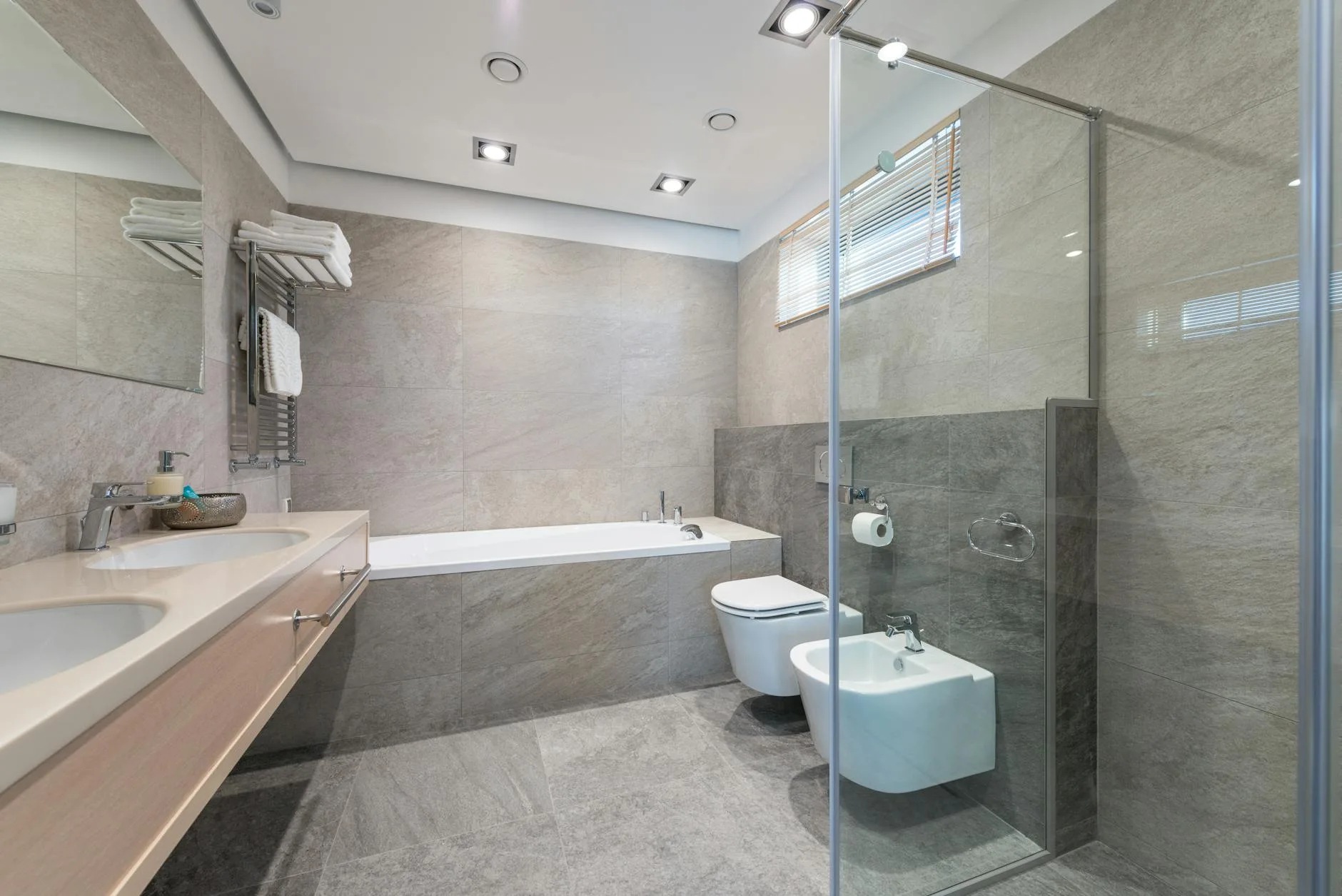
Every bathroom and kitchen should have a working extractor fan. In bathrooms, a fan rated at least 15 litres per second is the minimum. Humidistat-controlled fans that switch on automatically when humidity rises are the most effective — you do not need to remember to turn them on.
If your bathroom has no extractor fan, installing one is the single most cost-effective anti-mould measure you can take. A basic fan costs about £30-50 and an electrician will fit it for £80-120.
Positive Input Ventilation (PIV)
A PIV unit is a fan installed in the loft that draws filtered fresh air into the house, creating slight positive pressure that pushes stale, moist air out through natural gaps. It runs 24/7, costs about 1-2p per day in electricity, and is one of the most effective whole-house solutions for condensation damp.
Units from Nuaire (Drimaster, about £200-300 installed) and EnviroVent (about £250-350 installed) are the most common in the UK.
I had a Nuaire PIV unit installed two years ago after years of fighting condensation in a 1930s semi. The mould in the bathroom and bedroom corners stopped coming back within a month. It is the best money I have spent on the house.
Opening Windows
The simplest ventilation method. Open bedroom windows for 15-20 minutes in the morning to let moist overnight air escape. Even in winter, 15 minutes of open windows causes minimal heat loss but significant moisture reduction. Our indoor air quality guide covers broader ventilation strategies.
Heating and Insulation
Cold surfaces cause condensation. Warmer surfaces prevent it.
Consistent Low Heating vs Intermittent Blasts
Consistent moderate heating (keeping the house above 15C even when unoccupied) is more effective than letting the house go cold and then cranking the thermostat. The logic: consistent warmth keeps wall surfaces above the dew point, preventing condensation.
Insulation
- Loft insulation — the cheapest and most effective insulation. 270mm of mineral wool is the recommended depth. Often available free or subsidised through government schemes
- Cavity wall insulation — effective but check first whether your walls have a cavity (pre-1920s houses usually do not). Poorly installed cavity wall insulation can cause penetrating damp
- Internal wall insulation — for solid-walled properties. More expensive and reduces room size slightly, but transforms cold wall surfaces into warm ones
The government energy efficiency advice page lists current grants and schemes for insulation.
Dehumidifiers: When Ventilation Is Not Enough
Sometimes ventilation alone is not sufficient — particularly in basements, internal rooms without windows, or homes where structural changes are not possible.
Choosing a Dehumidifier
- Extraction rate — for a single room, 10-12 litres per day is sufficient. For a whole house, 20+ litres per day
- Compressor vs desiccant — compressor dehumidifiers are cheaper to run but less effective below 15C. Desiccant dehumidifiers work at any temperature, making them better for unheated spaces
- Noise — check decibel ratings if using in a bedroom. Under 40dB is tolerable for sleeping
- Running costs — roughly 3-7p per hour
Meaco (British company) makes some of the best dehumidifiers available in the UK. The Meaco 12L Low Energy (about £150-170) is consistently the top recommendation for domestic use. Our humidity guide explains what levels to aim for.
How to Remove Existing Mould Safely
For Small Areas (Under 1 square metre)
- Wear rubber gloves and a face mask — mould spores are harmful when inhaled
- Spray the affected area with HG Mould Spray (about £5 from B&Q or Amazon) and leave for 30 minutes
- Wipe away with a damp cloth — do not dry brush mould as this releases spores into the air
- Allow the surface to dry completely
- Paint with anti-mould paint (Zinsser Mould Stop, about £15 per litre) to prevent regrowth
For Large Areas (Over 1 square metre)
The NHS recommends professional assessment for mould covering more than 1 square metre, particularly if anyone in the household has respiratory conditions.
What NOT to Use
- Bleach — kills surface mould but does not penetrate. The mould regrows within weeks
- Paint over mould — never paint over active mould. The mould grows through the paint
- Vinegar — mildly effective on surface mould but not strong enough for established growth
Rising Damp: What It Is and What It Is Not
What It Is
Genuine rising damp is groundwater moving upward through masonry by capillary action. It occurs in older properties where the damp proof course has failed or was never installed. Rising damp affects walls up to about 1 metre from floor level and leaves a characteristic tide mark.
What It Usually Is Not
A 2009 study by heritage building expert Jeff Howell found that the majority of “rising damp” diagnoses were incorrect. If a damp surveyor diagnoses rising damp and immediately quotes you £3,000-5,000 for a chemical DPC injection, get a second opinion from an independent RICS chartered surveyor who does not sell damp-proofing treatments.
Penetrating Damp: External Water Getting In
Common Causes
- Damaged or missing roof tiles
- Failed pointing — mortar between bricks crumbles
- Cracked render — hairline cracks let water behind the surface
- Leaking gutters — one of the most common and most overlooked causes of damp in UK homes
- Failed flashings around chimneys, dormers, and roof junctions
- Rising external ground levels — garden soil or paving built up above the DPC level
Fixes
Most penetrating damp fixes are external maintenance:
- Repoint failed mortar joints (materials cost about £10-20)
- Clear and repair gutters annually — autumn leaves are the main culprit
- Replace damaged roof tiles
- Ensure external ground levels are at least 150mm below the DPC
When to Call a Professional
DIY Is Fine For:
- Cleaning small areas of mould
- Improving ventilation
- Maintaining gutters and pointing
- Using dehumidifiers
Call a Professional For:
- Extensive mould over 1 square metre
- Suspected rising damp (get an independent RICS surveyor)
- Structural penetrating damp (roof, flashing, or subsurface issues)
- PIV unit installation
- Any damp causing damage to structural timbers
Renters Rights and Landlord Responsibilities
If you rent and your home has damp and mould, your landlord has legal obligations under the Homes (Fitness for Human Habitation) Act 2018 and Awaab’s Law (2024).
What Landlords Must Do
- Respond to reports of damp and mould within 14 days
- Investigate and fix the cause — not just tell tenants to “open windows more”
- Carry out repairs within a reasonable timeframe
- Not retaliate against tenants who report damp issues
What Tenants Should Do
- Report damp and mould to your landlord in writing (email creates a record)
- Take dated photographs
- If the landlord does not respond within 14 days, contact your local council environmental health team
- Citizens Advice (citizensadvice.org.uk) can provide free guidance
The tragic death of Awaab Ishak in 2020 from mould exposure in a Rochdale housing association flat led directly to Awaab’s Law, which requires landlords to address mould hazards within strict timeframes. No tenant should accept damp and mould as “just part of living in an old house.”
If you are solving the same room problem, compare this with How to Prevent Mould in the Bathroom, How to Choose the Right Humidifier Size for Your Room, Best Budget Humidifiers Under £50 2026 UK.
Frequently Asked Questions
Is mould in my home dangerous? Yes. The NHS confirms that mould can cause respiratory infections, allergic reactions, and worsen asthma. Black mould (Stachybotrys) is particularly harmful. Children, elderly people, and those with weakened immune systems are most vulnerable.
Will a dehumidifier solve my mould problem? A dehumidifier reduces humidity, which slows or prevents mould growth. But it treats the symptom, not the cause. If the cause is poor ventilation, a dehumidifier helps while you improve airflow. If the cause is a structural leak, a dehumidifier alone will not solve it.
Does opening windows in winter make damp worse? No — it makes it better. Cold outdoor air in winter is drier than warm indoor air. Opening windows for 15-20 minutes allows moist indoor air to escape and drier outdoor air to enter.
My landlord says the mould is my fault for not ventilating. Is that true? Sometimes lifestyle factors contribute, but landlords cannot use this as an excuse to avoid structural repairs. If the property lacks adequate ventilation or heating, the problem is structural. Document your habits and report to environmental health if needed.
How do I know if I have rising damp or condensation? Rising damp: affects walls up to about 1 metre from the floor, leaves salt deposits and tide marks, gets worse at ground level. Condensation: affects upper walls and ceilings, appears around windows and in corners, gets worse in winter and in moisture-producing rooms.