You step out of the shower, wipe the mirror, and there it is — a thin line of black creeping along the sealant around the bath. You scrubbed it off last month. It’s back already. If this feels familiar, you’re dealing with the most common household mould problem in the UK, and it’s one that cleaning alone will never fix.
Bathroom mould isn’t just unsightly. It releases spores into the air you breathe every morning and evening, and the NHS links prolonged mould exposure to respiratory problems, allergic reactions, and worsened asthma symptoms. The good news? You can prevent mould in the bathroom for good — but only if you tackle the root cause rather than reaching for bleach every few weeks.
This comes down to moisture control. Every hot shower dumps litres of water vapour into a small, enclosed space. Without the right combination of ventilation, heating, and humidity management, that moisture settles on cold surfaces and creates the exact conditions mould needs to thrive. Here’s how to break the cycle.
Why Bathrooms Are a Mould Magnet
Mould needs three things: moisture, warmth, and an organic surface to feed on. Bathrooms deliver all three in abundance.
A single ten-minute shower can release up to 1.5 litres of water vapour into the air. In a typical UK bathroom — maybe 4-6 square metres with one small window — that moisture has nowhere to go. It condenses on tiles, grout, silicone sealant, ceiling paint, and the inside of window frames. Grout and sealant are particularly vulnerable because they’re porous and sit right in the splash zone.
Temperature plays a role too. UK bathrooms are often the coldest room in the house outside of shower time, especially in older properties with solid walls. When warm, humid air hits cold surfaces, condensation forms almost instantly. That’s why you’ll often see mould concentrated on external walls and around window frames — those surfaces are coldest.
The organic material mould feeds on? Soap residue, dead skin cells, and even the paint on your ceiling. You don’t need a dirty bathroom for mould to grow. You just need a damp one.
Understanding relative humidity is key here. Mould typically starts growing when relative humidity stays above 70% for extended periods. In a poorly ventilated bathroom after a shower, humidity can hit 90-100%. If that moisture doesn’t get removed within 20-30 minutes, you’ve created a perfect mould incubator.
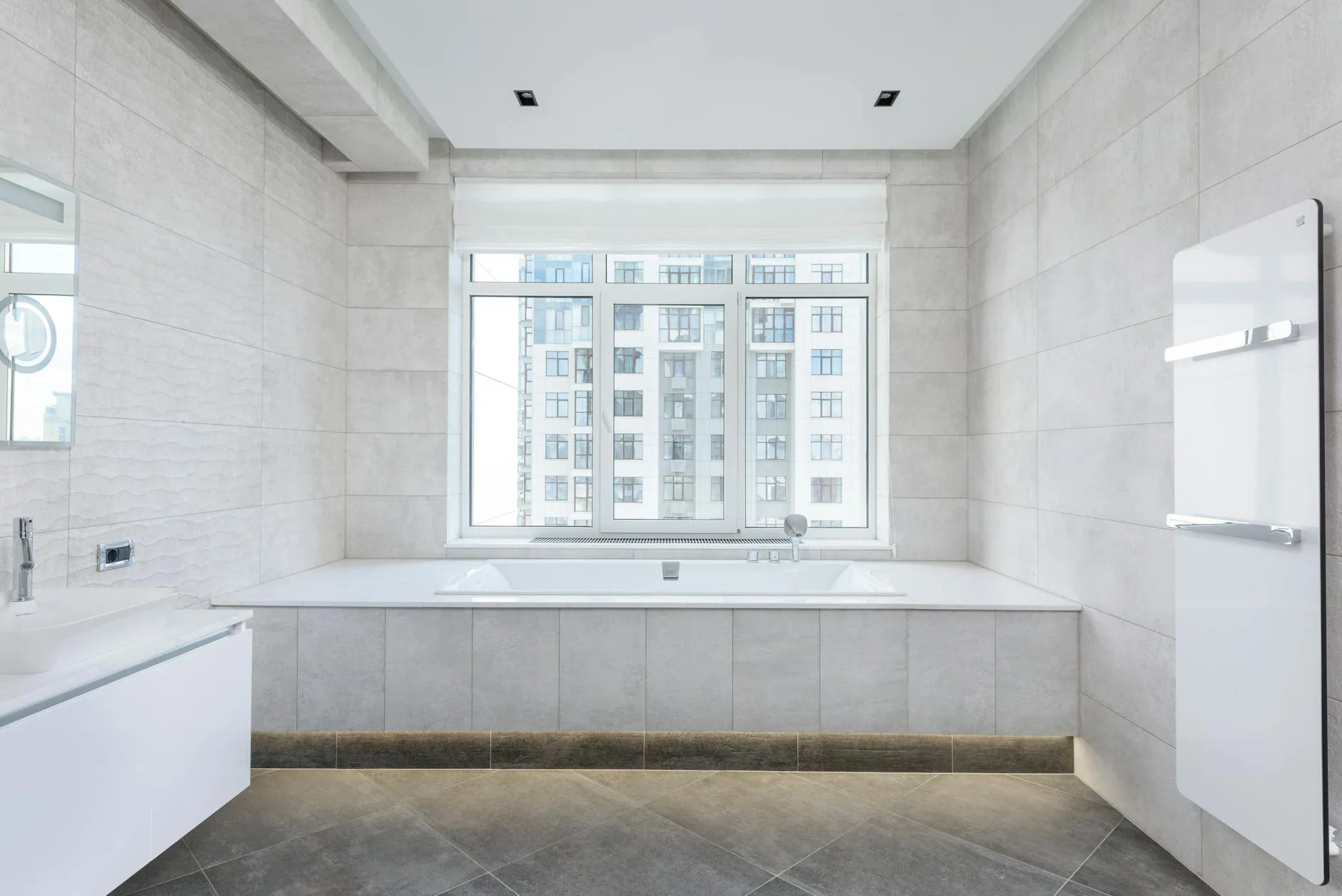
Get Your Ventilation Right — It’s the Single Biggest Factor
If you do one thing from this article, make it this. Poor ventilation causes more bathroom mould than everything else combined.
Extractor Fans — The Non-Negotiable
Every bathroom needs a working extractor fan. If yours doesn’t have one, fitting one should be your first priority. If it does have one, it might not be doing enough.
What to look for in an extractor fan:
- Extraction rate of at least 15 litres per second (l/s) — this is the minimum required by UK Building Regulations (Approved Document F) for intermittent bathroom extract. Many cheap fans are right on the limit; spending £10-15 more gets you a noticeably better unit.
- A humidistat or timer overrun — the fan should continue running for 15-20 minutes after you leave the bathroom. A humidistat is even better because it responds to actual moisture levels rather than a fixed timer. Fans with built-in humidity sensors cost about £30-60 from Screwfix or B&Q.
- Low noise levels — a loud fan is a fan people switch off. Look for something under 30 dB(A) if you don’t want it waking the whole house during early morning showers. Our guide to air purifier noise levels explains decibel ratings in practical terms if you want to understand what those numbers actually mean.
Common extractor fan mistakes:
- Ducting vented into the loft space — this is shockingly common in UK homes and against Building Regulations. You’re pumping moisture straight into your roof void, which causes timber rot and loft mould. The duct must exit through an external wall or roof tile vent.
- Blocked or crushed ducting — flexible duct that’s been squashed during installation reduces airflow noticeably. Even a slight kink can halve the extraction rate.
- Clogged grilles — dust and fluff accumulate on the fan cover. Pull it off and clean it every three months.
Use Your Windows Properly
If your bathroom has an openable window, use it — but strategically.
Open the window after your shower, not during. Opening it while showering lets cold air in, which actually increases condensation on cold surfaces. Instead, keep the window closed and the extractor fan running during the shower. Once you’re done, crack the window open for 15-20 minutes to let remaining moisture escape.
In winter, this feels counterintuitive because it’s freezing outside. But you only need a small gap — trickle vents work well here — and the temperature difference between indoor and outdoor air actually helps draw moisture out.
The Door Question
Keep the bathroom door closed while showering. This prevents moisture spreading into hallways and bedrooms, where it causes condensation on cold walls and windows elsewhere in your home. After showering, open the bathroom door only once you’ve got the extractor fan running and the window cracked — this creates cross-ventilation that clears moisture faster.
Use a Dehumidifier for Persistent Damp
Ventilation handles the big stuff, but some UK bathrooms simply can’t ventilate well enough. Maybe the window is tiny. Maybe the extractor fan can’t cope. Maybe you’re in a flat where the bathroom has no external wall at all — surprisingly common in purpose-built blocks from the 1960s onwards.
This is where a dehumidifier earns its place. A good compact dehumidifier will pull moisture from the air continuously, keeping relative humidity in the 40-60% range where mould simply can’t establish itself.
Choosing the right dehumidifier for bathroom use:
- Desiccant dehumidifiers work better in cool spaces. Bathrooms cool down fast in winter, and compressor dehumidifiers lose effectiveness below about 15°C. Desiccant models work down to 1°C and are typically lighter and quieter. Expect to pay £150-250 for a decent one — Meaco and EcoAir are the brands to look at from UK retailers like Argos, John Lewis, or Amazon UK.
- Size matters less than you think. A small 6-8 litre/day desiccant dehumidifier is plenty for a bathroom. You don’t need a 20-litre industrial unit — that’s for drying out flood-damaged rooms.
- Look for a laundry mode. If you also dry clothes in the bathroom (many UK households do, especially in flats), laundry mode runs the dehumidifier at full power and is surprisingly effective. It also means the dehumidifier earns its keep even when you’re not battling bathroom condensation.
- Auto-shutoff and continuous drain options matter for bathroom use. A humidistat that switches the unit off when humidity drops below your target (say 50%) saves electricity and means you can leave it running unattended.
If you want to understand how humidity levels work and what range you should be targeting, our guide to what relative humidity levels are healthy breaks it down properly.
For really stubborn dampness, combining a dehumidifier with your extractor fan is the most effective approach. The fan handles the immediate post-shower moisture spike, and the dehumidifier catches anything that lingers.
Heat Your Bathroom Properly
Cold surfaces cause condensation. It’s basic physics — when warm, moist air touches a surface that’s below the dew point, water forms. The colder the surface, the less moisture the air needs to contain before condensation starts.
Many UK bathrooms are under-heated. If you’ve got a radiator behind the door that’s half the size it should be, or you only heat the bathroom when the central heating is on, your walls and ceiling are colder than they need to be.
Practical heating tips:
- Keep the bathroom above 15°C even when not in use. This doesn’t mean blasting the heating — leaving the radiator on a low setting (TRV at 2) prevents surfaces getting cold enough for condensation to form.
- Heated towel rails do double duty. They dry your towels (damp towels hanging in a bathroom are themselves a moisture source) and add background heat. A standard electric heated towel rail costs £60-120 from Screwfix or B&Q and uses around 100-150 watts — roughly the same as a light bulb.
- Consider a small electric panel heater if you don’t have a radiator. A 400-600W bathroom-rated panel heater (look for IP44 or higher rating for bathroom use) costs about £40-80 and can be wall-mounted to save floor space.
The combination of adequate heating and good ventilation is powerful. Warm air holds more moisture without condensing, and ventilation removes that moisture before the room cools down.
Fix Your Surfaces — Grout, Sealant, and Paint
Even with perfect ventilation and humidity control, mould will find a way in if your surfaces invite it.
Silicone Sealant
Old, cracked, or mouldy sealant around baths, showers, and basins is the number one visible mould location in UK bathrooms. Once mould gets into silicone (not just on the surface), no amount of cleaning will remove it permanently. The black staining is embedded in the material.
The fix is replacement, not cleaning. This is a simple DIY job:
- Score along both edges with a Stanley knife, then peel the old sealant away. A silicone sealant removal tool (about £3-5 from B&Q) makes this much easier.
- Clean the exposed surfaces with a mould-killing spray and let them dry completely — at least 24 hours.
- Apply new anti-fungal silicone sealant. UniBond or Dow Corning brands are widely available. Specifically look for “anti-mould” or “sanitary grade” silicone. It costs about £5-8 per tube, and one tube does a standard bath.
- Use masking tape for clean lines. Apply the tape, run the sealant bead, smooth with a wet finger, then peel the tape immediately before the sealant skins over.
Replace bathroom sealant every 3-5 years as a preventive measure, even if it looks fine. The anti-fungal additives break down over time.
Grout
Tile grout is porous and absorbs moisture. Once mould gets established in grout, it’s much harder to remove than surface mould.
- Seal grout after installation — grout sealer is inexpensive (about £8-12 from any tile shop) and creates a water-resistant barrier. Reapply annually.
- Re-grout patchy areas rather than trying to clean deeply stained grout. Raking out old grout and applying new takes a couple of hours and costs under £15 in materials.
- Epoxy grout is mould-resistant but harder to apply. Worth considering if you’re retiling, but overkill for a grout refresh.
Ceiling and Walls
If your bathroom ceiling isn’t painted with a moisture-resistant paint, it’s absorbing water vapour and providing a buffet for mould spores.
- Use bathroom-specific paint containing fungicide. Dulux Bathroom+ and Crown Kitchen & Bathroom are the go-to options in the UK, available from B&Q, Wickes, or Dulux decorator centres. About £20-28 for 2.5 litres.
- Don’t skip the mist coat on new plaster — it seals the surface so moisture can’t penetrate.
- Anti-condensation paint (like Ronseal or Thermilate) contains insulating microspheres that raise the surface temperature slightly, reducing condensation. It’s not a magic fix, but it helps in bathrooms with cold ceilings.
Daily Habits That Actually Make a Difference
Products and hardware only go so far. The biggest mould prevention tool is what you do every day after showering.
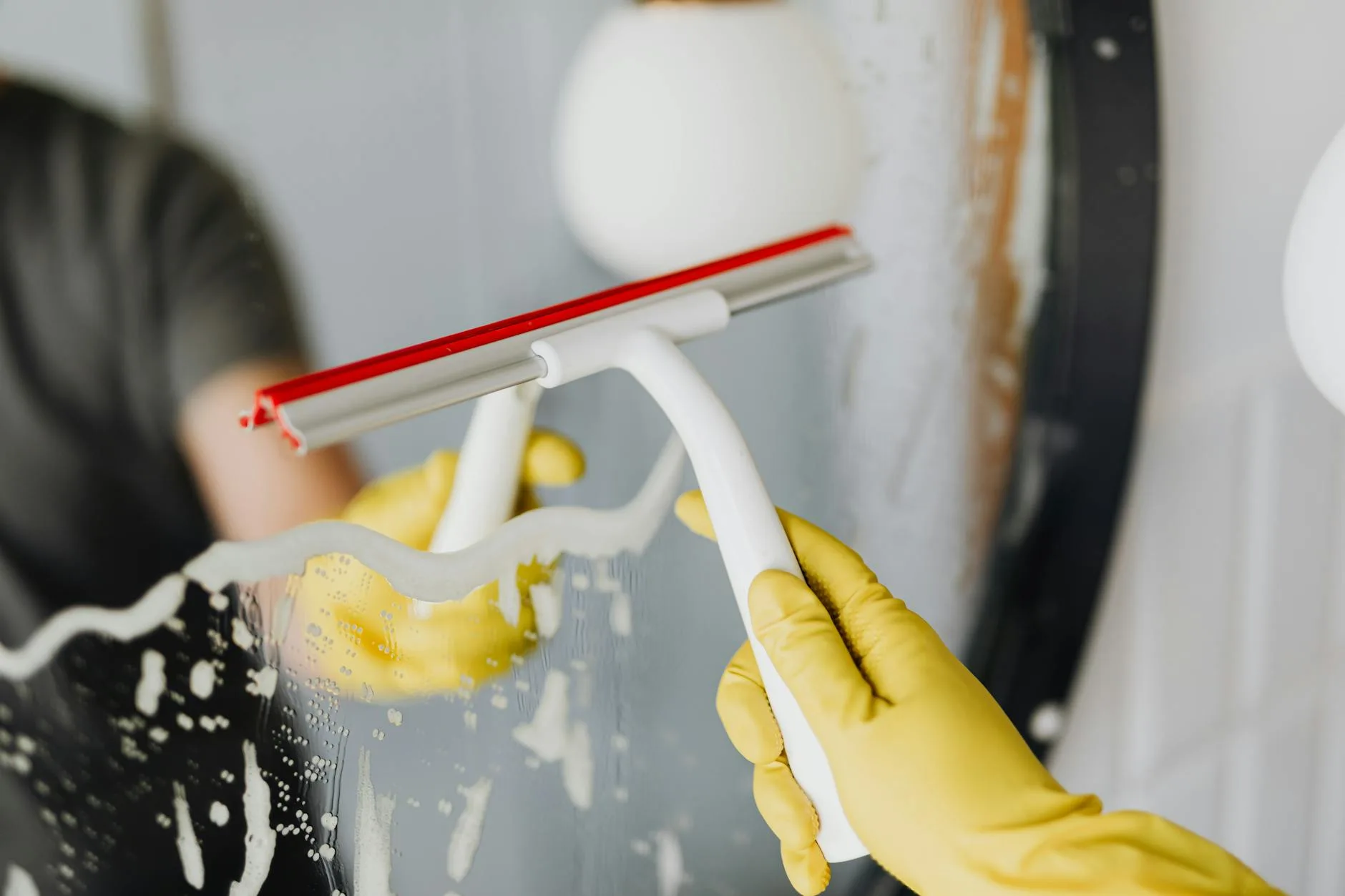
- Squeegee the shower screen and tiles. Takes 30 seconds. Removes 80% of the water that would otherwise evaporate and raise humidity. A simple window squeegee from Lakeland or Amazon UK costs about £5-10. Keep it in the shower so there’s no excuse.
- Hang towels to dry outside the bathroom if possible. Wet towels in a small bathroom are a significant moisture source. If you can’t move them, at least spread them out on a heated towel rail rather than bunching them on a hook.
- Wipe down windowsills and frames if you see condensation. Standing water on painted wood frames causes paint to blister and wood to rot, which then becomes a mould food source.
- Don’t leave shampoo bottles and shower products clustered on shelves or the bath edge. Mould grows underneath and behind them where air can’t circulate. Hang a shower caddy instead.
- Run the extractor fan for at least 20 minutes after every shower or bath. If you keep forgetting, a fan with a humidistat handles this automatically.
These habits sound small, but consistency is everything. A perfectly ventilated bathroom will still grow mould if someone takes a 20-minute shower with the fan off and leaves the door open.
When Mould Keeps Coming Back — Diagnosing Deeper Issues
If you’ve done everything above and mould still returns within weeks, the problem might be structural rather than behavioural.
Rising or Penetrating Damp
This is different from condensation. Rising damp comes up from the ground through masonry (failed damp-proof course), while penetrating damp comes through external walls due to cracked render, failed pointing, or leaking gutters. Both introduce moisture that no amount of ventilation will fix.
Signs it’s not just condensation:
- Mould appears on walls near the floor (rising damp) or on external walls even when the room hasn’t been used (penetrating damp)
- Tide marks or salt deposits on walls
- Damp patches that don’t dry out even with heating and ventilation running
If you suspect structural damp, get a survey from an independent damp specialist — not a company that sells damp-proofing treatments, as they have an obvious incentive to find problems. The Property Care Association website lists accredited surveyors.
Leaking Pipes
A slow leak behind tiles or under the bath can cause persistent mould that seems impossible to prevent. If mould keeps appearing in the same spot despite good ventilation, it’s worth checking for leaks. A plumber can do a pressure test on your system.
Inadequate Insulation
External bathroom walls in older UK properties often have no cavity wall insulation. The wall surface temperature stays low, causing persistent condensation. Internal wall insulation is an option but reduces room size. External wall insulation is more effective but expensive. In the short term, improving ventilation and heating compensates for poor insulation.
Improving Your Bathroom’s Air Quality Overall
Mould prevention is really part of a broader picture — improving your indoor air quality. If mould has already been present, the spores don’t disappear when you clean the visible growth. They’re airborne, and they settle on surfaces throughout your home.
An air purifier with a HEPA filter captures mould spores effectively — they’re typically 1-20 microns in diameter, well within the range of a HEPA filter. If anyone in your household has asthma or respiratory allergies, running an air purifier while you’re tackling a mould problem is a sensible precaution. Our guide to choosing an air purifier for larger rooms covers what to look for if your bathroom opens onto a bedroom or en-suite.
If you are solving the same room problem, compare this with How to Choose the Right Humidifier Size for Your Room, Best Dehumidifiers for Bathrooms 2026 UK: Compact & Quiet.
Frequently Asked Questions
What kills bathroom mould permanently? Cleaning products kill visible mould but don't prevent it returning. To permanently stop bathroom mould, you need to control moisture — fix ventilation, maintain relative humidity below 60%, heat the room adequately, and replace mouldy sealant and grout. Without addressing the root cause, mould will regrow within weeks.
Is bathroom mould dangerous to health? Yes. The NHS states that mould exposure can cause respiratory infections, allergic reactions, and worsened asthma symptoms. Black mould (Stachybotrys chartarum) is particularly concerning, though all types of indoor mould can affect health. People with existing respiratory conditions, young children, and elderly people are most vulnerable.
Will a dehumidifier stop mould in the bathroom? A dehumidifier notably reduces the risk of bathroom mould by keeping relative humidity in the 40-60% range. It's most effective when combined with an extractor fan and good daily habits like squeegeeing tiles after showering. Desiccant dehumidifiers are the best choice for bathrooms as they work well in cooler temperatures.
How often should I replace bathroom sealant to prevent mould? Replace bathroom silicone sealant every 3-5 years, even if it looks clean. The anti-fungal additives in sanitary-grade silicone break down over time, and once mould penetrates into the sealant material, surface cleaning cannot remove it. Replacement is a simple DIY job costing about £5-8 in materials.
Should I open the bathroom window during or after a shower? Open it after, not during. Opening the window while showering lets cold air in, which drops surface temperatures and actually increases condensation. Keep the window closed and the extractor fan running during the shower, then open the window afterwards for 15-20 minutes to clear remaining moisture.