Your cat has just chewed through the third houseplant this month, and you’re starting to wonder whether any of them are actually safe. You googled “is a peace lily toxic to cats” at 11pm last Tuesday and scared yourself half to death. Fair concern — some common houseplants are genuinely dangerous to pets, while others that look terrifying are perfectly harmless.
The good news is that you don’t have to choose between having plants and having pets. Plenty of gorgeous houseplants are completely non-toxic to cats and dogs, and with a bit of planning you can build a collection that’s safe, beautiful, and resilient enough to survive the occasional nibble. Here’s the full list, the ones to avoid, and how to keep everyone alive.
In This Article
- Why Some Houseplants Are Dangerous to Pets
- Pet-Safe Houseplants: The Full List
- The Best Pet-Safe Plants for UK Homes
- Houseplants to Avoid If You Have Pets
- What to Do If Your Pet Eats a Plant
- Keeping Pets and Plants Together: Practical Tips
- Pet-Safe Plants for Specific Conditions
- Frequently Asked Questions
Why Some Houseplants Are Dangerous to Pets
Plants evolved chemical defences to stop animals eating them — the same compounds that make them interesting to herbalists make them toxic to your pets. The severity ranges from mild mouth irritation (most common) to organ failure (rare but real).
How Toxicity Works
Most toxic houseplants contain one of a few types of compound:
- Calcium oxalate crystals — found in peace lilies, philodendrons, and dieffenbachia. These microscopic needle-shaped crystals embed in the mouth and throat, causing immediate pain, drooling, and swelling. Rarely life-threatening but very unpleasant
- Saponins — found in dracaena and aloe vera. Cause vomiting, diarrhoea, and lethargy when ingested in quantity
- Alkaloids — found in lilies (the really dangerous ones). True lilies (Lilium and Hemerocallis species) can cause acute kidney failure in cats from even small exposures. This is the one that sends cats to emergency vets
- Cardiac glycosides — found in oleander and foxglove. Affect heart rhythm. Extremely dangerous but uncommon as houseplants
Cats vs Dogs
Cats are at higher risk than dogs for two reasons. First, they’re more likely to chew plants out of curiosity or boredom. Second, their smaller body size means a lower dose causes more damage. Dogs occasionally eat plants but tend to do it in large, messy amounts rather than subtle nibbling — which at least makes it obvious something happened.
Pet-Safe Houseplants: The Full List
These plants are classified as non-toxic to cats and dogs by the ASPCA Poison Control Centre, the primary reference database used by vets worldwide. “Non-toxic” means ingestion may cause mild stomach upset but not poisoning.
Foliage Plants
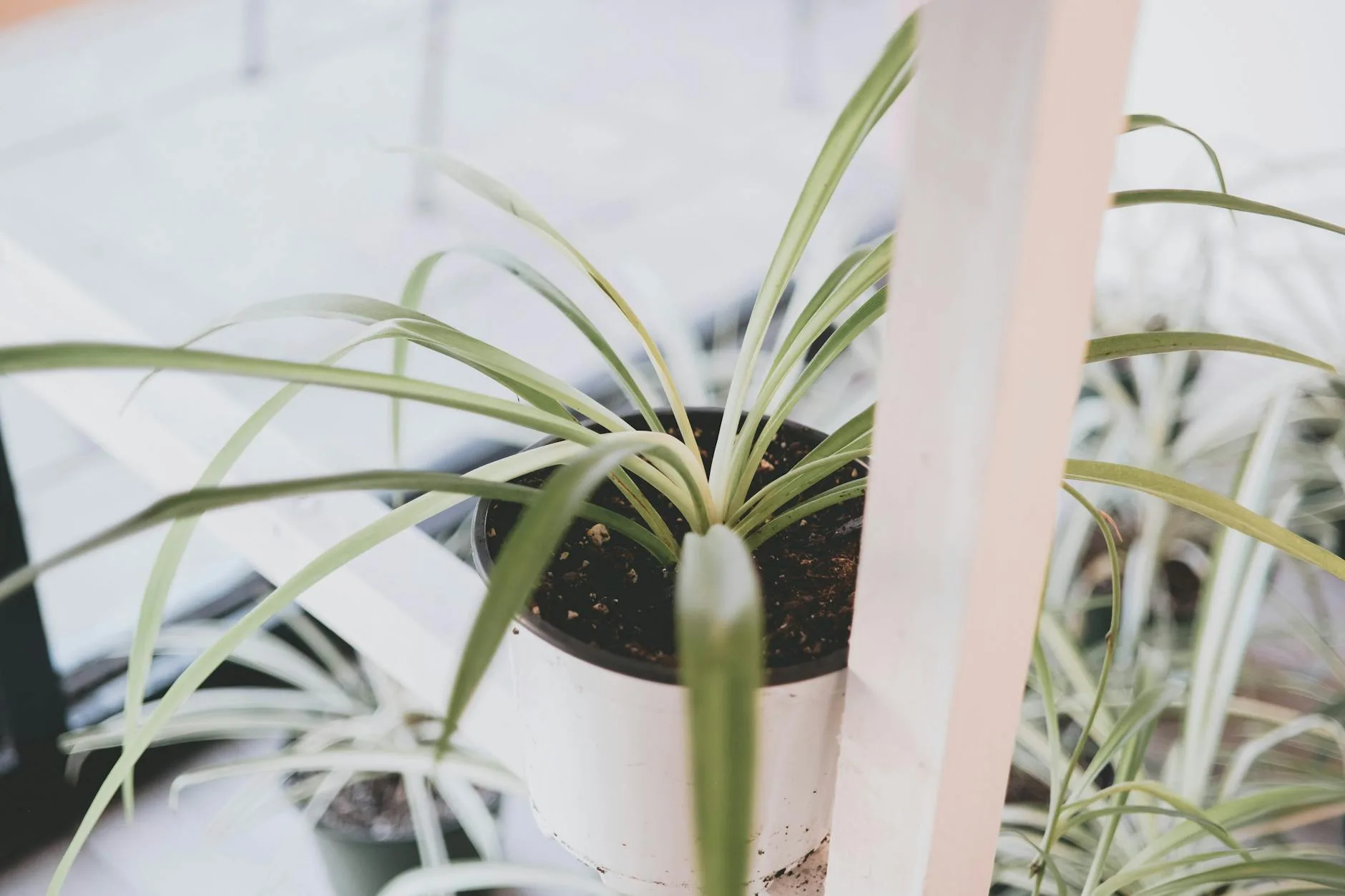
- Spider plant (Chlorophytum comosum) — practically indestructible, produces baby plantlets, safe for all pets
- Boston fern (Nephrolepis exaltata) — lush, trailing fronds. Loves humidity. Cats often find the fronds irresistible to bat at
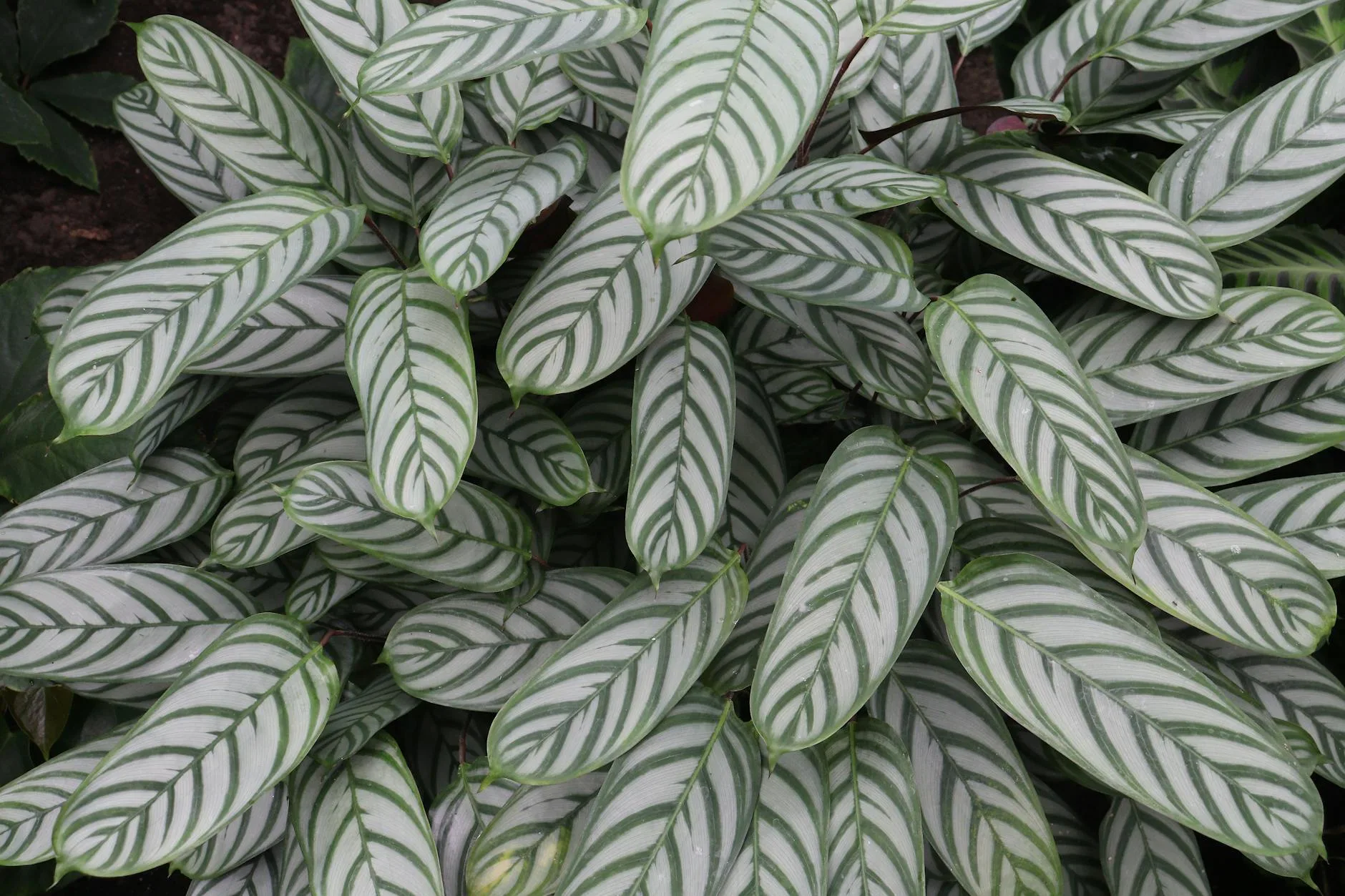
- Calathea (all varieties) — stunning patterned leaves. Rattlesnake calathea, medallion, and orbifolia are all safe
- Peperomia (all varieties) — compact, colourful, easy to care for. Watermelon peperomia is particularly handsome
- Cast iron plant (Aspidistra elatior) — thrives in low light. Virtually unkillable and completely pet-safe
- Parlour palm (Chamaedorea elegans) — elegant, slow-growing, happy in shade
- Prayer plant (Maranta leuconeura) — leaves fold up at night, fascinating to watch
- Polka dot plant (Hypoestes phyllostachya) — bright pink and white spotted leaves. Non-toxic but short-lived
- Ponytail palm (Beaucarnea recurvata) — not actually a palm, completely safe, drought-tolerant
Flowering Plants
- African violet (Saintpaulia) — compact flowering plant, safe for all pets. Flowers year-round with minimal effort
- Orchid (Phalaenopsis) — the moth orchid sold everywhere in the UK. Non-toxic, elegant, surprisingly easy to keep alive
- Gerbera daisy — bright, cheerful flowers. Safe for pets but prefers bright light
- Christmas cactus (Schlumbergera) — safe despite being a cactus relative. Blooms in winter with stunning flowers
Herbs
- Basil — safe and useful in the kitchen
- Rosemary — safe, fragrant, and easy to grow on a windowsill
- Thyme — safe and low-maintenance. Our indoor herb garden guide covers getting started
The Best Pet-Safe Plants for UK Homes
Not all safe plants are equally practical. These are my top picks for UK conditions — they handle our light levels, temperature swings, and the fact that most of us forget to water for a week at a time.
Spider Plant — Best All-Rounder
Why: grows anywhere, tolerates neglect, produces baby plants you can propagate for free, and cats love playing with the trailing plantlets without any health risk. It handles low light, inconsistent watering, and central heating with zero drama.
Care: bright indirect light is ideal but it copes with shade. Water when the top inch of soil is dry. Feed monthly in spring and summer. Repot when roots outgrow the pot.
Calathea — Best for Visual Impact
Why: the patterned leaves — stripes, spots, geometric markings — make calatheas the most visually striking safe option. Orbifolia, medallion, and rattlesnake varieties all look stunning grouped together.
Care: medium indirect light (no direct sun, which scorches the leaves). They’re fussier about humidity than most — 50%+ is ideal. Water with filtered or rainwater if your tap water is hard, as calatheas are sensitive to minerals. Keep them away from radiators.
Boston Fern — Best for Bathrooms
Why: lush, arching fronds that look fantastic hanging from a shelf or macramé hanger. Completely safe for pets and thrives in the humid conditions most plants hate.
Care: bright indirect light, consistent moisture (don’t let it dry out completely), and high humidity. The bathroom is the perfect spot. Mist daily or place on a pebble tray if growing elsewhere. Brown fronds are usually a humidity problem — check our houseplant troubleshooting guide for fixes.
Parlour Palm — Best for Low Light
Why: grows happily in the dim corners where nothing else will. The elegant fronds add a tropical feel to any room, and it’s one of the most tolerant palms for UK indoor conditions.
Care: low to medium indirect light. Water when the top 2cm of soil feels dry. It’s slow-growing, so don’t expect rapid results — but that also means it rarely outgrows its space or needs repotting.
African Violet — Best for Flowers
Why: one of the few safe flowering houseplants that blooms reliably indoors with minimal fuss. Compact enough for windowsills and side tables. Available in purple, pink, white, and blue.
Care: bright indirect light (an east-facing windowsill is perfect). Water from the bottom to avoid wetting the leaves, which causes spots. Feed with specialist African violet fertiliser every 2–4 weeks during the growing season.
Houseplants to Avoid If You Have Pets
These are the common UK houseplants that cause the most vet visits. If you have any of these and a curious pet, either move them to an inaccessible location or rehome the plant.
Highly Toxic (Potentially Fatal)
- Lilies (Lilium species) — the most dangerous houseplant for cats. All parts are toxic. Even pollen landing on fur and being groomed off can cause kidney failure. The Royal Veterinary College lists lilies as one of the most common causes of feline poisoning in the UK. If you have cats, remove all lilies from your home. Full stop
- Sago palm (Cycas revoluta) — every part is toxic. Ingestion causes liver failure in dogs, often fatal even with treatment
- Oleander (Nerium oleander) — cardiac glycosides affect heart rhythm. Rare as an indoor plant but sometimes brought in from outdoor containers
Moderately Toxic (Causes Illness)
- Peace lily (Spathiphyllum) — calcium oxalate crystals cause mouth pain, drooling, and vomiting. Rarely fatal but causes real distress
- Philodendron (all varieties) — same mechanism as peace lily. The heart-leaf philodendron is one of the most common houseplants and one of the most common causes of pet poisoning calls
- Dieffenbachia (dumb cane) — intense mouth irritation. The common name comes from the way it numbs the mouth and throat
- Aloe vera — saponins cause vomiting and diarrhoea. Ironic given how often it’s marketed as a health plant
- Dracaena (all varieties including the popular Dragon Tree) — vomiting, loss of appetite, excessive drooling
- Pothos (Epipremnum aureum) — also called Devil’s Ivy. Calcium oxalate crystals. Very common trailing houseplant and very common in vet poisoning calls
- ZZ plant (Zamioculcas zamiifolia) — calcium oxalate throughout all parts
What to Do If Your Pet Eats a Plant
Immediate Steps
- Remove any remaining plant material from your pet’s mouth if safe to do so
- Identify the plant — take a photo or bring a sample to the vet
- Note the time and approximate amount consumed
- Watch for symptoms: drooling, vomiting, pawing at the mouth, lethargy, loss of appetite
When to Call the Vet
- Immediately if your cat has eaten any part of a lily — including pollen exposure
- Within the hour for any plant you can’t identify
- Within 2–4 hours for known moderate-toxicity plants if symptoms develop
- Call the Animal Poison Line (01202 509000, £35 per call, 24/7) for advice if your vet is closed
What the Vet Will Do
Depending on the plant and timing: induce vomiting, administer activated charcoal, provide IV fluids, or monitor for organ damage. For lily ingestion in cats, aggressive IV fluid therapy started within 12 hours gives the best prognosis.
Keeping Pets and Plants Together: Practical Tips
Elevation
Cats can reach most shelves, but they generally can’t be bothered. High shelves, wall-mounted planters, and hanging baskets put plants out of casual reach. Dogs are easier to manage — a shelf above waist height is usually enough.
Deterrents
- Citrus peels around the base of plants — most cats dislike the smell
- Diluted citrus spray on leaves — harmless to plants, off-putting to cats
- Rough textures around pots — cats don’t like walking on pine cones or rough gravel
Provide Alternatives
Cats often chew plants because they want greens. Growing a pot of cat grass (wheat or barley grass, about £3 from pet shops) gives them something safe to munch on and often reduces interest in your other plants. Follow our general houseplant care guide to keep your collection healthy so pets aren’t attracted to stressed, drooping leaves.
Accept Some Damage
If you have a plant-loving cat, some nibbling is inevitable. Focus on keeping only safe plants within reach, and accept that the spider plant’s trailing babies will get batted around. That’s life with cats.
Pet-Safe Plants for Specific Conditions
For Dark Rooms
- Cast iron plant
- Parlour palm
- Boston fern (if humidity is adequate)
- Calathea (medium-low light)
For Bright Windowsills
- African violet
- Gerbera daisy
- Peperomia (watermelon variety)
- Christmas cactus
For Bathrooms
- Boston fern
- Calathea
- Parlour palm
- Spider plant
For Beginners
- Spider plant (virtually impossible to kill)
- Peperomia (tolerates inconsistent watering)
- Ponytail palm (drought-tolerant)
- Cast iron plant (ignores neglect)
Frequently Asked Questions
Are succulents safe for pets? Most succulents are non-toxic, but some are mildly irritating. Echeveria, haworthia, and sempervivum are safe. Aloe vera and kalanchoe are toxic to cats and dogs. If you want succulents, check each species individually against the ASPCA database rather than assuming all succulents are safe.
My cat ate a peace lily — should I panic? Peace lilies cause mouth irritation and drooling but are rarely dangerous. Rinse your cat’s mouth gently with water and monitor for vomiting. If symptoms persist beyond a few hours or your cat stops eating, call the vet. Peace lilies are not true lilies and don’t cause kidney failure.
Can I keep toxic plants if I put them out of reach? In theory yes, but cats in particular are skilled at reaching places you didn’t think possible. If you keep toxic plants, use ceiling-hung planters or a room the pet can’t access. For high-toxicity plants like lilies, the safest option is not to have them in the house at all.
Do air-purifying plants affect pet air quality? Plants improve air quality marginally (NASA’s research showed this in sealed chambers, not real rooms), but the effect is too small to measurably benefit your pet. Choose plants for aesthetics and safety, not air purification claims.
Where can I check if a specific plant is pet-safe? The ASPCA’s Toxic and Non-Toxic Plant Database is the most reliable free resource. Your vet can also advise. The Veterinary Poisons Information Service (VPIS) in the UK is available to vets for professional consultations on specific cases.
One final practical check is whether the change still works after a normal week of use. Air quality and humidity products are only useful if the room size, noise level, maintenance and running costs fit daily life.