If a houseplant pot is bone dry again two days after watering, the problem is usually the pot setup rather than your memory. To stop houseplant pots drying out too fast, you need to fix the compost, pot size, room position and watering method before you buy another gadget.
In This Article
- Why Houseplant Pots Dry Out Too Fast
- Do This Quick Diagnosis First
- Fix The Pot And Compost Setup
- Water In A Way That Actually Rehydrates The Root Ball
- Change The Room Conditions Without Turning Your Home Into A Greenhouse
- Products That Help When Pots Keep Drying Out
- Plant-By-Plant Adjustments
- Frequently Asked Questions
Why Houseplant Pots Dry Out Too Fast
A dry pot is not automatically a thirsty plant. That is the trap. Sometimes the roots need water. Sometimes the compost has become so dry that it is repelling water. Sometimes the pot is too small, the plant is sitting above a radiator, or the terracotta is pulling moisture out faster than the roots can use it.
The Royal Horticultural Society’s Houseplant 101 watering advice is a useful reminder that watering should follow the plant and compost, not a rigid calendar. That matters even more in UK homes where the same plant can dry slowly in a cool north-facing room and race through water in a sunny bay window.
The main causes
Most fast-drying pots come down to one or more of these:
- The pot is too small: roots have filled the container, leaving little compost to hold water.
- The compost has gone hydrophobic: water runs down the sides instead of soaking the root ball.
- The pot material dries quickly: unglazed terracotta loses moisture faster than plastic or glazed ceramic.
- The room is too hot or exposed: radiators, direct sun and draughts speed evaporation.
- The plant is naturally thirsty: ferns, peace lilies and calatheas behave very differently from snake plants.
- The compost is too open: chunky mixes drain fast, which is good for some plants and punishing for others.
The fix is not always “water more”. If compost is hydrophobic, extra top watering can still miss the roots. If the plant is rootbound, water disappears because there is barely any compost left. If the pot is sitting above a radiator, you are fighting the room.
What drying out too fast means
For this article, “too fast” means the compost is dry right through within 24-72 hours for a plant that should normally stay lightly moist for longer. A cactus drying quickly in summer is fine. A peace lily wilting two days after a soak is not.
If you are unsure whether the issue is dry compost or a wider plant-health problem, compare the symptoms with our guide to common houseplant problems. Crispy edges, limp leaves and compost pulling away from the pot all point towards dry roots, but yellow leaves can also mean overwatering.
Do This Quick Diagnosis First
Before changing anything, test the pot properly. Guesswork causes more dead houseplants than neglect. No judgement; we have all watered a plant that was already wet because the leaves looked dramatic.
The three-minute check
Use this sequence:
- Lift the pot: a dry pot feels much lighter than a recently watered one. Learn that weight difference.
- Check below the surface: push a finger or wooden chopstick 4-5cm into the compost, not just the top crust.
- Look at the pot edge: compost shrinking away from the side usually means it is very dry or hydrophobic.
- Water slowly: if water rushes straight through in seconds, it may be bypassing the root ball.
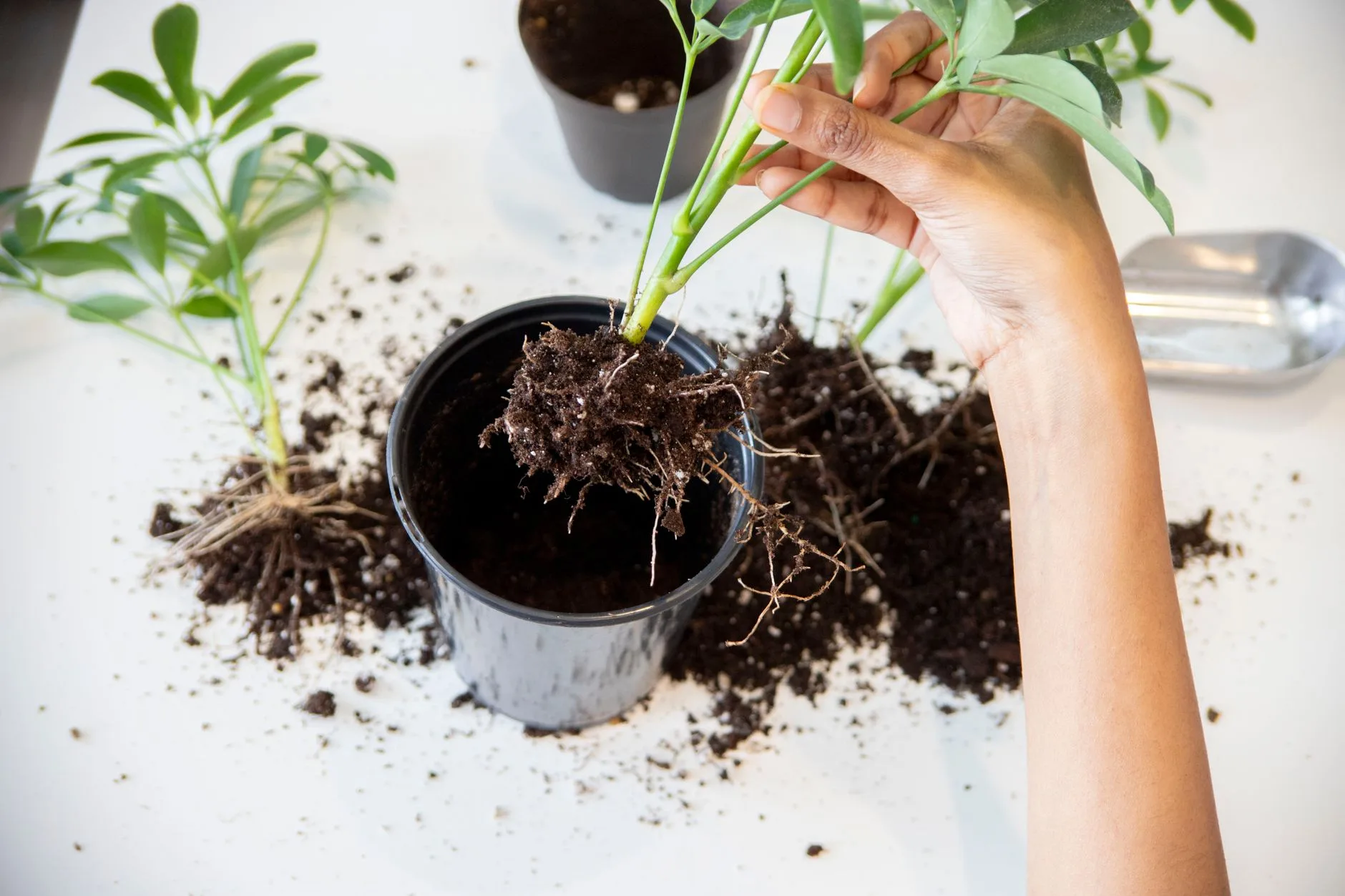
- Slide the plant out if safe: roots circling tightly around the outside mean it is rootbound.
The pot-weight check is underrated. After a few weeks, you can tell when a plant needs water before the leaves complain. A cheap moisture meter can help, but your hands tell you a lot.
Signs the compost has become hydrophobic
Hydrophobic compost is dry compost that resists water. Peat-based mixes are especially prone to this when they dry hard. Water beads on top, runs down channels at the side, then exits the drainage holes while the centre stays dry.
Signs include:
- Water runs through too fast: the saucer fills almost at once.
- The root ball feels light after watering: it has not absorbed much.
- Compost pulls away from the pot wall: leaving a visible gap.
- Leaves wilt again quickly: because the roots were never rehydrated.
If this is happening, a quick splash from a watering can will not fix it. You need to soak the root ball, then improve the compost so it holds moisture more evenly next time.
Fix The Pot And Compost Setup
The pot and compost decide how long water stays available. This is where most repeat problems start.
Move up one pot size if it is rootbound
If roots are circling the pot and there is very little loose compost left, repot one size up. Do not jump from a 12cm pot to a 25cm decorative planter. Too much spare compost stays wet around the edges and can cause root rot.
As a rule:
- Small plants: move from 9cm to 12cm, or 12cm to 15cm.
- Medium plants: move from 15cm to 17-19cm.
- Large plants: move up by 3-5cm in diameter, not a huge leap.
A basic plastic nursery pot costs about £1-£4 at B&Q, Dobbies or garden centres. Decorative ceramic cover pots are more like £8-£35 depending on size. Spend on the inner pot and drainage first; the pretty outer pot can wait.
For the full process, use our houseplant repotting guide. Here, the key point is simple: a plant packed into roots cannot hold water well.
Choose pot material deliberately
Unglazed terracotta looks lovely and suits plants that hate soggy roots, but it dries quickly. That is useful for succulents, cacti, snake plants and overwaterers. It is less helpful for peace lilies, ferns, calatheas, fittonias and thirsty herbs.
If a moisture-loving plant keeps drying out:
- Move from terracotta to plastic nursery pot plus cover pot: better moisture retention and easier weight checks.
- Use glazed ceramic: heavier and attractive, but make sure the inner pot drains.
- Avoid sealed pots with no drainage: they solve dryness by creating rot risk. Not a win.
A decent 15-18cm glazed ceramic pot is usually £10-£25 from IKEA, B&Q, John Lewis or local garden centres. LECHUZA self-watering planters cost more; small indoor models are often around £20-£55, with larger premium planters far higher.
Improve the compost mix
Bagged houseplant compost varies. Some mixes dry into a hard block; others stay wet too long. For plants that dry too fast but still need air around the roots, I like a middle ground:
- Houseplant compost: the base, about 70% of the mix.
- Perlite or pumice: about 10-20% for air and drainage.
- Coir or fine bark: about 10-20% to hold moisture without becoming sludge.
Perlite costs about £5-£8 for a small bag. Coir blocks are about £3-£7 and expand with water. A premium indoor plant compost can be £6-£12 for 5-10 litres. You do not need a laboratory mix, but you do need compost that rewets properly and does not compact into a brick.
Use a light top dressing where it helps
A thin layer of orchid bark, fine gravel or LECHUZA-PON on top can slow surface drying and stop compost splashing. Keep it thin. A thick decorative layer can hide whether the compost is wet and make you overwater by accident.
Top dressing is most useful for plants in warm, bright rooms where the top layer dries before the root zone. It is less useful if the whole root ball is drying too fast; that needs a pot or compost fix.
Water In A Way That Actually Rehydrates The Root Ball
The best watering method for a dry pot is boringly thorough. Give water time to soak in, let excess drain away, then check whether the pot actually feels heavier.
Slow top watering
For normal watering, pour slowly around the compost surface rather than dumping a full can in one spot. Pause, let it absorb, then water again until a little drains from the bottom. Empty the saucer after 10-15 minutes unless the plant is being bottom-watered on purpose.
This works for most houseplants when the compost still accepts water. It also helps flush mineral build-up from tap water and fertiliser, which can leave white crusts on the compost surface.
Bottom watering for dry root balls
Bottom watering is better when compost has pulled away from the pot edge or water is rushing straight through. Put the nursery pot in a bowl or sink with a few centimetres of water and leave it for 20-30 minutes. The compost draws water up from below.
Virginia Cooperative Extension’s guidance on container houseplants describes bottom watering as placing pots in a shallow basin of water so roots can absorb moisture gradually. It is a useful rescue method for dry compost, especially when top watering is failing.
After soaking, lift the pot and let it drain fully. Do not leave it sitting in water all afternoon. That swaps underwatering for root rot, which is a classic houseplant plot twist.
Rehydrate hydrophobic compost
For stubborn dry compost:
- Soak from below for 20-30 minutes: use room-temperature water.
- Gently poke the compost surface: a chopstick can break channels without tearing roots.
- Top water slowly afterwards: confirm water now soaks rather than running down the sides.
- Drain fully: never return a dripping pot to a sealed cover pot.
- Repot soon if it keeps happening: repeated hydrophobic compost usually needs replacing.
If the plant is valuable or fussy, do this gently. Dry roots can be brittle.
Change The Room Conditions Without Turning Your Home Into A Greenhouse
UK homes are not kind to some houseplants in winter. Central heating dries the air, radiators heat the compost from below, and sunny windows can swing from chilly to scorching in the same day.
Move plants away from heat sources
The easiest fix is distance. Move pots at least 50cm from radiators, heated towel rails, log burners and strong fan heaters. A windowsill above a radiator is one of the fastest ways to dry out a small pot.
If the plant needs the light from that window, use a plant stand to move it forward, or place it on the side of the sill away from the strongest heat. A basic metal or bamboo plant stand costs about £15-£40 from IKEA, Dunelm, B&Q or Amazon UK.
Group plants without crowding them
Grouping plants creates a slightly more humid microclimate. It is not magic, but it helps ferns, calatheas and peace lilies more than leaving one pot alone in a dry room. Keep leaves from pressing together constantly because poor airflow can encourage fungal problems.
For the bigger humidity picture, see our guide to maintaining the right humidity for houseplants. For this drying-out problem, you do not need rainforest levels. You just need to stop a hot, dry room stripping water from the pot.
Use a humidifier only where it earns its keep
A small humidifier can help tropical plants, but it is not the first fix for dry compost. If the pot is too small or the compost repels water, a humidifier will not solve it.
Budget humidifiers cost about £25-£50. Better evaporative or larger ultrasonic models are often £60-£130. Running costs are usually low, but you still need to clean the tank and avoid damp around windows. If your home already has condensation or mould risk, be careful. Read do you need a humidifier in the UK? before adding moisture to a problem room.
Products That Help When Pots Keep Drying Out
Products help when they fix a specific cause. They are not a substitute for the diagnosis above.
Moisture meters and indicators
A basic two-prong moisture meter costs about £8-£15 from Amazon UK, B&Q or garden centres. They are useful for beginners, but cheap meters can be inconsistent in chunky compost.
SUSTEE-style water indicators are neater for houseplants. A medium SUSTEE moisture meter is about £7-£10 from UK plant retailers such as Bloomling, and it sits in the pot showing when the compost has dried enough to water. I like them for people who overthink watering, because the indicator removes a bit of theatre.
Use meters as a guide, not a law. Your plant, pot weight and compost still matter.
Self-watering pots
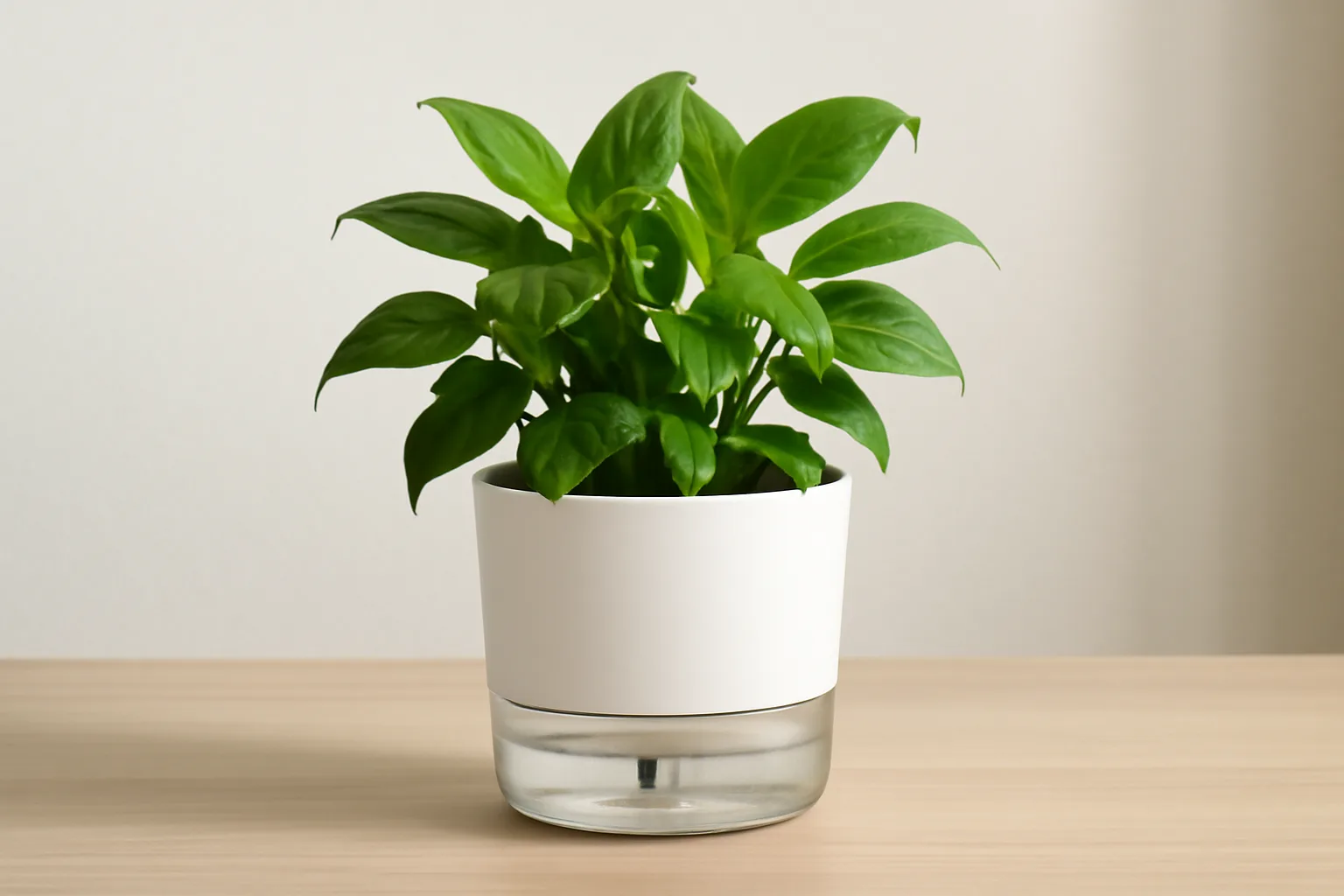
Self-watering pots can be brilliant for thirsty plants if the compost mix wicks properly. They are less ideal for succulents or plants that want to dry right down.
Budget self-watering plastic pots start around £8-£15 for small multipacks on Amazon UK. Better indoor self-watering planters from brands such as LECHUZA are often £20-£60 for small to medium sizes, with premium planters costing more. The LECHUZA-PON substrate is usually about £7-£24 depending on bag size.
If you want the mechanics, our self-watering planter reservoir guide explains wicks, inserts and overflow points in more detail.
Watering cans, saucers and trays
A narrow-spout indoor watering can costs £8-£25 and makes slow watering easier. Deep saucers are £2-£8. A boot tray or plant tray under grouped pots costs £8-£20 and protects furniture while you bottom-water several pots at once.
These are boring purchases, but they work. A good tray has saved more houseplants in my house than any fancy app.
Plant-By-Plant Adjustments
The wrong fix can make a healthy plant worse. Match the solution to the plant.
Ferns, calatheas and peace lilies
These are the plants that punish dry compost quickly. Move them away from radiator heat, consider plastic nursery pots inside cover pots, use a moisture-retentive compost mix and water thoroughly. If they wilt repeatedly, check whether the root ball is hydrophobic.
For these plants, self-watering can work well once the roots are established. Do not put a freshly repotted, stressed plant straight into a deep reservoir and hope for the best.
Monsteras, pothos and philodendrons
These aroids like moisture but also need air around the roots. Use a chunky but moisture-holding mix: houseplant compost, bark or coir, and some perlite. If they dry too fast, the plant may be rootbound rather than in the wrong room.
Check the roots before changing to a heavier compost. A soggy dense mix can cause more trouble than dryness.
Succulents, cacti and snake plants
Fast drying is often fine for these. Terracotta and gritty compost are useful. Do not move them into a moisture-heavy mix just because the top looks dry. The bigger risk is watering too often because the surface dries while the lower compost is still damp.
Use a wooden skewer or pot-weight check before watering. A £10 moisture meter is less reliable in very gritty mixes, so do not let it bully you.
Herbs on windowsills
Supermarket basil, parsley and coriander are crowded, soft-grown and thirsty. They dry out fast because there are too many plants in a small pot. Split the clump into two or three pots, use fresh compost and keep them in bright light away from direct radiator heat.
If a £1.50 supermarket basil collapses after two weeks, it is not proof that you are bad with plants. It was raised to be eaten, not to become a family heirloom.
Frequently Asked Questions
Why does my houseplant dry out two days after watering? The most likely causes are a pot that is too small, hydrophobic compost, terracotta drying the root ball quickly, or a hot room position near sun or radiators. Check the root ball before simply watering more often.
How do I stop houseplant pots drying out too fast? Repot rootbound plants one size up, use compost that rewets properly, move thirsty plants away from heat, water slowly until the root ball is soaked, and consider self-watering pots for plants that like steady moisture.
Are self-watering pots good for houseplants? They are good for many thirsty houseplants, especially peace lilies, ferns and some aroids, but they are not ideal for succulents or plants that need to dry between waterings. The compost must wick properly.
Does misting stop pots drying out? Not really. Misting may briefly wet leaves and raise local humidity for a short time, but it does not rehydrate the compost or root ball. Fix pot size, watering method and room position first.
Should I use terracotta pots for indoor plants? Terracotta is good for plants that prefer drier roots, such as succulents and snake plants. For moisture-loving houseplants that keep drying out, plastic nursery pots or glazed ceramic usually hold moisture better.
Can dry compost kill a houseplant? Yes, repeated drying can damage fine roots and stress the plant. Many plants recover from one dry spell, but repeated cycles of bone dry to soaked are hard on ferns, calatheas, peace lilies and young plants.