Your pothos is dropping yellow leaves. The peace lily’s tips have gone brown. That fiddle leaf fig you paid £45 for is losing leaves faster than it grows them. You’re watering it, it’s near a window, and you’ve followed every Instagram care tip you could find — so what’s going wrong? Most houseplant problems come down to a handful of causes, and once you learn to read the signs, diagnosing the issue takes about thirty seconds.
In This Article
- How to Diagnose Your Plant
- Yellow Leaves
- Brown Leaf Tips
- Drooping or Wilting
- Leaf Drop
- Leggy or Stretched Growth
- Brown Spots on Leaves
- White or Powdery Residue
- Root Rot
- Common Pests and How to Treat Them
- Overwatering vs Underwatering: The Number One Confusion
- Light Problems
- Humidity Issues
- When to Give Up on a Plant
- Frequently Asked Questions
- The Bottom Line
How to Diagnose Your Plant
Before reaching for a remedy, look at the whole plant systematically. Most people fixate on the most visible symptom and miss the actual cause.
The Diagnostic Checklist
- Check the soil — is it bone dry, evenly moist, or waterlogged? Push your finger 3cm into the soil
- Check the roots — if the plant lifts easily from the pot, the roots might be rotted or the plant is rootbound. Healthy roots are white or light brown; rotted roots are dark, mushy, and smell
- Check the light — where is the plant relative to the nearest window? Is it getting direct sun, bright indirect light, or sitting in a dim corner?
- Check for pests — look under leaves, along stems, and in leaf joints. Use a magnifying glass if you have one
- Consider what changed recently — did you move the plant? Change watering? Turn the heating on? Repot? Most problems start 1-2 weeks after an environmental change
Yellow Leaves
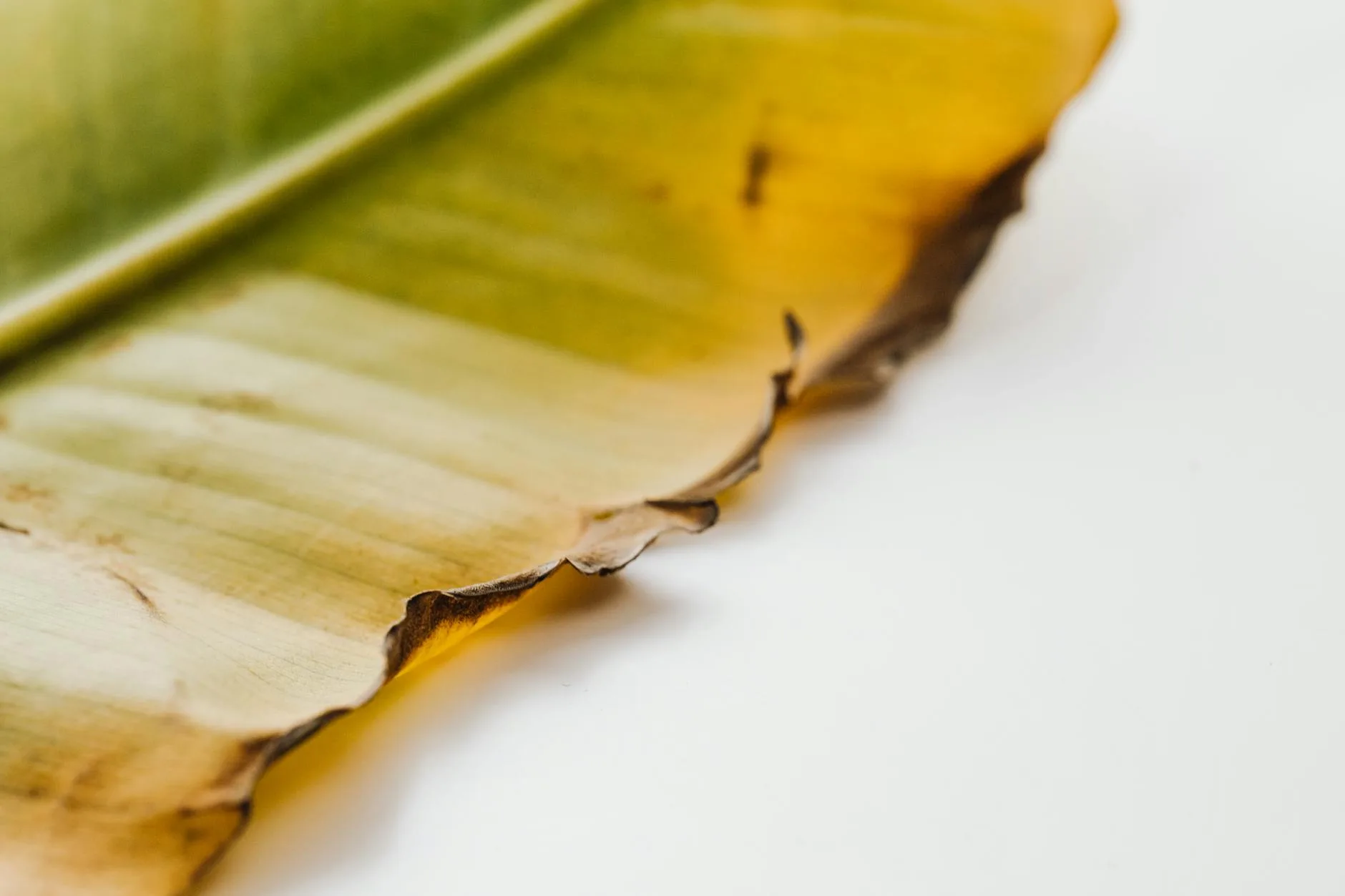
The most common complaint, and the hardest to diagnose because nearly everything causes yellow leaves.
Overwatering (Most Likely)
If the soil is consistently wet and multiple leaves are yellowing from the bottom up, you’re overwatering. The roots are drowning — they need oxygen as well as water. When roots sit in saturated soil, they suffocate and begin to rot, which prevents them absorbing nutrients. The plant responds by dropping its oldest leaves first.
Fix: Let the soil dry out before watering again. Check drainage — is water actually leaving the pot, or is it sitting in a saucer? If the roots are brown and mushy, you may need to repot into fresh, dry compost.
Our watering guide covers the details of getting moisture levels right.
Underwatering
If the soil is bone dry and the yellow leaves are crispy rather than soft, the plant is thirsty. Underwatered yellow leaves tend to be dry and papery, unlike the soft, limp yellow of overwatering.
Fix: Water thoroughly until it runs from the drainage holes. If the soil has pulled away from the pot edges (a sign of severe drying), bottom-water by sitting the pot in a tray of water for 20-30 minutes.
Natural Ageing
The bottom leaves of many plants yellow and drop as the plant grows. This is normal — the plant redirects energy to new growth. If only the oldest, lowest leaves are yellowing and the rest of the plant looks healthy, it’s not a problem.
Nutrient Deficiency
If the plant hasn’t been fed for months and is yellowing evenly across new and old leaves, it may be lacking nitrogen. This is more common in spring and summer when the plant is actively growing.
Fix: Feed with a balanced liquid houseplant fertiliser (something like Baby Bio at about £3-4 from any garden centre) every 2-4 weeks during the growing season.
Brown Leaf Tips
Almost always a humidity or watering issue, and one of the easiest problems to fix.
Low Humidity
UK homes in winter run at about 30-40% humidity when the central heating is on. Most tropical houseplants want 50-60%. The leaf tips are the furthest point from the plant’s water supply, so they dry out first.
Fix: Mist the plant, use a pebble tray (a tray of water with pebbles for the pot to sit on — the pot sits above the water, not in it), or use a humidifier. Grouping plants together also raises local humidity. Our guide on maintaining humidity for houseplants covers all the options.
Inconsistent Watering
Alternating between bone dry and soaking wet stresses the plant. The tips brown because the plant can’t maintain consistent hydration to its extremities.
Fix: Water on a regular schedule based on soil moisture, not the calendar. Check the top 2-3cm of soil — when it’s dry, water. When it’s moist, wait.
Salt and Mineral Buildup
Tap water in hard water areas (London, southeast England) contains calcium and other minerals that accumulate in the soil. These burn root tips and cause brown leaf tips.
Fix: Flush the soil with distilled or rainwater every few months. Or simply use rainwater for watering if you can collect it.
Drooping or Wilting
A drooping plant is sending an urgent message, and the cause is usually obvious once you check the soil.
Thirsty Plant
If the soil is dry and the plant is drooping, it needs water. Most plants recover within hours of a good drink. Pothos, peace lilies, and calatheas are particularly dramatic about this — they flop over like they’re dying, then perk up completely after watering.
Overwatered Plant
If the soil is wet and the plant is drooping, the roots are waterlogged. This is more serious than underwatering because root rot may have started. The plant droops because damaged roots can’t absorb water, even though there’s plenty in the soil.
Fix: Remove from the pot, inspect roots, trim any brown mushy roots with clean scissors, and repot into fresh, well-draining compost. Let the soil dry before watering again.
Temperature Shock
Plants moved from a warm room to a cold windowsill (or vice versa) can droop temporarily. Draughts from open windows or positioning near a radiator cause similar stress.
Fix: Move the plant to a stable temperature location away from draughts and direct heat sources. It should recover within a few days.
Leaf Drop
When a plant suddenly drops leaves — not just yellowing gradually but actually shedding — something has changed in its environment.
Environmental Change
The most common trigger. Plants hate change. Moving to a new spot, repotting, bringing a new plant home from the shop, or seasonal changes (heating going on, daylight hours dropping) all cause leaf drop.
Fix: Be patient. Most plants adjust within 2-4 weeks and stop dropping leaves. Resist the urge to move it again or change your care routine — more changes make it worse.
Overwatering
Persistent leaf drop combined with yellow or brown leaves and wet soil is a classic overwatering pattern. The roots are compromised and the plant sheds leaves it can no longer support.
Cold Damage
Leaves touching cold windowpanes in winter can develop frost damage and drop. Even without direct contact, temperatures below 10°C near single-glazed windows stress tropical plants.
Fix: Move the plant away from cold glass. A gap of 10-15cm is usually enough.
Leggy or Stretched Growth
When a plant produces long, thin stems with wide gaps between leaves, it’s reaching for more light.
Insufficient Light
This is almost always the cause. The plant is growing toward the nearest light source, sacrificing compact growth for height. New leaves may also be smaller and paler than usual.
Fix: Move the plant closer to a window. Most houseplants want bright, indirect light — near a window but not in direct sun that would scorch the leaves. If natural light is limited, a grow light fills the gap for about £20-40.
Can You Fix Existing Legginess?
You can’t un-stretch a leggy stem. But you can prune it back to a healthy node (the bump on the stem where a leaf attaches), and the plant will produce new, compact growth from that point. The pruned section can often be propagated in water — free new plant.
Brown Spots on Leaves
Brown spots have several causes, and the pattern tells you which one.
Fungal Infection
Round, dark brown spots with a yellow halo, often starting on lower leaves. Caused by overwatering, poor air circulation, or water sitting on leaves.
Fix: Remove affected leaves. Improve air circulation (a small fan helps). Water the soil, not the leaves. In severe cases, treat with a copper-based fungicide (about £5-8 from a garden centre).
Sunburn
Bleached or crispy brown patches on the side of the leaf facing the window. Happens when a plant that prefers indirect light sits in direct afternoon sun.
Fix: Move the plant back from the window or add a sheer curtain to diffuse the light.
Bacterial Leaf Spot
Wet-looking, dark spots that spread rapidly and may have a foul smell. More aggressive than fungal spots and harder to treat.
Fix: Remove all affected leaves immediately. Isolate the plant from others. Improve air circulation and reduce watering. If it spreads despite treatment, discard the plant to protect others.
White or Powdery Residue
Powdery Mildew
A white, powdery coating on leaf surfaces. Caused by poor air circulation, high humidity, and cool temperatures — common in UK homes during autumn.
Fix: Improve airflow around the plant. Wipe leaves with a damp cloth. Treat with a neem oil spray (about £5-8) or a milk-water solution (1 part milk to 9 parts water, sprayed on leaves).
Hard Water Deposits
White crusty deposits on the soil surface or pot rim. This is calcium and lime from hard tap water, not disease.
Fix: Cosmetic issue only — it doesn’t harm the plant. Scrape it off or top-dress with fresh compost. Switch to rainwater or filtered water to prevent buildup.
Mealybugs
White, cottony clusters in leaf joints and along stems. These are pests, not disease — see the pests section below.
Root Rot
The most serious common houseplant problem, and the one that kills the most plants. If you catch it early, recovery is possible. If the roots are almost all brown and mushy, the plant is usually beyond saving.
How to Identify It
- Plant droops despite wet soil
- Yellowing leaves across the whole plant
- Brown, mushy roots when you unpot (healthy roots are white or tan)
- A sour or rotting smell from the soil
- Soil stays wet for days after watering
How to Treat It
- Remove the plant from its pot
- Wash all soil from the roots under running water
- Cut away all brown, mushy, or slimy roots with sterilised scissors
- Let the remaining roots air dry for a few hours
- Repot into fresh, well-draining compost with added perlite
- Use a clean pot (or sterilise the old one with dilute bleach)
- Don’t water for 3-5 days after repotting
For the full repotting process, our repotting guide covers everything step by step.
Prevention
Root rot is always caused by too much water and insufficient drainage. Ensure every pot has drainage holes. Never let a plant sit in a saucer of standing water. Use well-draining compost with perlite or grit mixed in.
Common Pests and How to Treat Them
Fungus Gnats
Tiny black flies hovering around the soil surface. The adults are annoying but harmless; the larvae in the soil feed on roots and organic matter.
Fix: Let the soil dry out more between waterings — larvae need moist conditions. Yellow sticky traps (about £3-5 for a pack) catch adults. A layer of fine gravel or sand on the soil surface deters egg-laying.
Spider Mites
Tiny dots (barely visible) on the undersides of leaves, with fine webbing between stems. They thrive in dry, warm conditions — central heating season is their prime time.
Fix: Increase humidity (they hate moisture). Wipe leaves with a damp cloth regularly. Spray with neem oil or insecticidal soap. Isolate affected plants immediately.
Mealybugs
White, cottony clusters in leaf joints. They suck sap and excrete honeydew, which attracts sooty mould.
Fix: Dab individual bugs with a cotton bud dipped in rubbing alcohol. For larger infestations, spray with neem oil or insecticidal soap weekly until clear. Check neighbouring plants — mealybugs spread.
Scale Insects
Brown or tan bumps on stems and leaf undersides. They look like part of the plant but are actually insects hiding under a protective shell.
Fix: Scrape off manually with a fingernail or old toothbrush. Follow up with neem oil spray. Persistent infestations may require systemic insecticide (available from garden centres).
Thrips
Tiny, slender insects that leave silvery streaks on leaves. They’re fast-moving and hard to spot.
Fix: Blue sticky traps catch adults. Neem oil or insecticidal soap for the plant itself. Thrips are persistent — expect to treat weekly for 3-4 weeks.
Overwatering vs Underwatering: The Number One Confusion
More houseplants die from overwatering than any other cause. The confusion happens because overwatering and underwatering produce similar symptoms — yellowing leaves and wilting. The soil tells you which one it is.
Signs of Overwatering
- Soil is consistently damp or wet
- Yellow leaves that are soft and limp
- Mushy stems at the base
- Mould on the soil surface
- A musty or sour smell from the pot
Signs of Underwatering
- Soil is dry and pulling away from the pot edges
- Yellow leaves that are dry and crispy
- Stems are dry and brittle, not mushy
- Leaves curl inward to conserve moisture
- Soil is hard and resists absorbing water when you water
The Simple Test
Stick your finger 3cm into the soil. If it’s moist, don’t water. If it’s dry, water. That’s it. Ignore watering schedules based on days — your plant doesn’t know what day it is. It responds to soil moisture, not calendars.
Light Problems
Too Little Light
- Leggy, stretched growth
- Small, pale new leaves
- Variegated plants losing their patterns (reverting to solid green)
- Slow or no growth during the growing season
Too Much Direct Light
- Bleached or scorched patches on leaves
- Leaf edges curling upward
- Soil drying out extremely quickly
- Faded leaf colours
The Right Amount for Most Houseplants
Bright, indirect light — near a window but not in the direct path of sunlight. An east-facing window gives gentle morning sun. A north-facing window provides consistent indirect light. South and west-facing windows need a sheer curtain or placing the plant a metre back from the glass.
Humidity Issues
UK homes typically sit at 30-40% humidity in winter when the heating runs. Most tropical houseplants want 50-60%.
Signs of Low Humidity
- Brown, crispy leaf tips (the classic sign)
- Leaves curling at the edges
- Flower buds dropping before opening
- Spider mite infestations (they thrive in dry air)
How to Increase Humidity
- Pebble trays — cheapest option. A tray of water with pebbles; the pot sits on the pebbles above water level
- Grouping plants — plants release moisture through transpiration. Grouping them creates a humid microclimate
- Humidifier — the most effective option, especially for plant collections. A small one costs about £20-40
- Misting — helps briefly but evaporates within minutes. Better than nothing, but not a long-term solution
- Bathroom placement — bathrooms have naturally higher humidity. Plants like ferns, pothos, and calatheas do well there
The RHS houseplant guidance covers species-specific humidity needs if you want to get precise.
When to Give Up on a Plant
Not every plant can be saved, and sometimes the kindest thing is to compost it and move on.
It’s Probably Over If…
- All the roots are brown and mushy (complete root rot)
- The main stem is soft and rotted through
- The plant has lost all its leaves and the stem shows no signs of new growth after 4-6 weeks
- A pest infestation has spread despite repeated treatment and is threatening other plants
Before You Give Up, Try…
- Propagation — even a dying plant may have one healthy stem or leaf that can root in water
- Dramatic pruning — cutting the plant back to just above the soil line sometimes triggers new growth from the base
- A complete repot — fresh soil, clean pot, and trimmed roots give the plant one last chance
Frequently Asked Questions
Why are the leaves on my plant turning yellow? The most common cause is overwatering — check if the soil is consistently wet. Other causes include underwatering (soil bone dry, leaves crispy rather than soft), natural ageing of lower leaves, nutrient deficiency, or sudden environmental changes. The soil moisture level is the first thing to check.
How do I know if I’m overwatering or underwatering? Check the soil. Push your finger 3cm in — if it’s wet and the plant is struggling, you’re overwatering. If it’s dry and the leaves are crispy, you’re underwatering. Overwatered leaves are soft and yellow; underwatered leaves are dry and papery. The soil never lies.
What are the tiny flies around my houseplant? Almost always fungus gnats. They breed in moist soil and are more annoying than harmful. Let the soil dry out more between waterings, use yellow sticky traps to catch adults, and add a thin layer of sand or grit on the soil surface to prevent egg-laying.
Can I save a plant with root rot? If caught early (some healthy white roots remain), yes. Remove all brown, mushy roots, let the remaining roots air dry, and repot in fresh, well-draining compost. If all roots are brown and the stem is mushy, the plant is unlikely to recover.
Why is my plant growing tall and thin? It’s not getting enough light. The plant is stretching toward the nearest light source. Move it closer to a window or add a grow light. You can prune the leggy growth back to encourage bushier new growth from lower nodes.
If you are solving the same room problem, compare this with Best Humidifiers for Plants 2026 UK: Tropical Houseplant Care, How to Care for Indoor Plants: A Beginner’s Guide.
The Bottom Line
Most houseplant problems trace back to three things: too much water, too little light, or not enough humidity. Master those three variables and you’ll solve 80% of the issues you’ll ever face. The other 20% is pests, which are annoying but treatable with neem oil and patience.
The best diagnostic tool is your finger. Stick it in the soil before you water. If it’s moist, put the watering can down. That single habit will save more plants than any product, hack, or tip you’ll find online. Your plants aren’t complicated — they just need consistent basics done well.