For recurring bathroom condensation in a normally heated UK home, the MeacoDry Arete Two 10L is our first choice among these five models. Its humidistat, 10-litre daily rating and front-loading 2.5-litre tank make it useful beyond one small room. Choose the Pro Breeze 6L if a smaller footprint matters more; for a regularly cold adjacent space, compare the desiccant Meaco DD8L.
Electrical safety first: a product labelled “for bathrooms” is not automatically safe beside a bath, shower or basin. Unless its instructions explicitly permit the intended location, use a portable unit in a dry adjoining area after showering, with the bathroom door open. Keep the appliance, cable and plug away from water, and follow the manual and bathroom electrical-safety guidance.
Our top 5 picks

Everyday moisture control — MeacoDry Arete Two 10L
A 10L-class compressor with humidistat and front-loading 2.5L tank.

Smaller compressor — Pro Breeze 6L
A 6L-class model with a 2L tank when floor space matters.

10L essentials — COMFEE Aqua Dry
Humidity control, a 2.5L tank and a drainage option.

Cold adjacent room — Meaco DD8L
Desiccant extraction for a colder space; check power use.
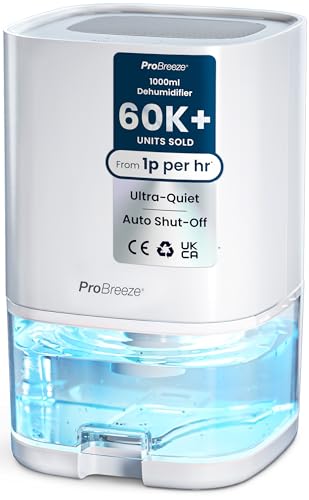
Light residual moisture — Pro Breeze 1000ml
A mini thermoelectric unit; not a fix for persistent damp.
In this guide
- Our top five picks
- The best bathroom dehumidifiers at a glance
- Our five bathroom dehumidifier recommendations
- Head-to-head decision
- How much extraction does a bathroom need?
- Compressor, desiccant or mini?
- Safe placement and effective use
- Features worth paying for
- How we chose
- The Bottom Line
- Frequently Asked Questions

The Best Bathroom Dehumidifiers at a Glance
Compare capacity, technology and fit before choosing. Daily extraction figures are laboratory-rated maxima, not a promise of what a machine will collect in a cooler UK bathroom.
| Model | Best for | Type | Rated extraction | Tank | Main compromise |
|---|---|---|---|---|---|
| MeacoDry Arete Two 10L | Everyday moisture control | Compressor | 10L/day | 2.5L | Larger than a mini unit |
| Pro Breeze 6L Compressor | Best compact compressor | Compressor | 6L/day | 2L | Lower capacity than 10L models |
| COMFEE Aqua Dry 10L | 10L essentials | Compressor | 10L/day | 2.5L | No premium air-purifier extras |
| Meaco DD8L | Best for cold spaces | Desiccant | 8L/day | Not stated here | Higher power demand than compressors |
| Pro Breeze 1000ml | Best mini model | Thermoelectric | Up to 450ml/day | 1L | Too weak for persistent damp |
Our Five Bathroom Dehumidifier Recommendations
1. MeacoDry Arete Two 10L — Everyday Moisture Control
The Arete Two leads this shortlist because its humidistat and 10-litre rating are a better fit for recurring moisture than a light-duty mini. The front-loading tank is easier to remove where space is tight, while hidden castors help when the machine lives on the landing and works near the bathroom after showers.
The H13 HEPA filter is a secondary feature, but it does not remove the need for extraction ventilation or mould cleaning. The manufacturer lists 35dB on its lowest fan speed, plus app control and an adjustable laundry timer; real noise and water collection vary with fan setting, temperature and humidity.
- Buy it if: you want one quiet, automatic machine to manage bathroom condensation and other rooms.
- Skip it if: you only have occasional misting and want the smallest possible device.
- Main compromise: It needs more floor space than a mini model, and its full capability is wasted on a tiny, well-ventilated bathroom.
2. Pro Breeze 6L Compressor — Best Compact Compressor
The Pro Breeze 6L bridges the gap between weak thermoelectric minis and bulkier whole-home machines. Its 2-litre tank, humidity sensor and adjustable target make it a practical fit for a small bathroom problem when the unit can stand safely on a dry landing or in an adjoining room.
Compressor extraction drops as temperatures fall, so this is better for normally heated homes than cold extensions. Wheels make it movable, but they do not make it safe to roll into splash zones.
- Buy it if: you need compressor performance in a smaller body and want a settable humidity target.
- Skip it if: the bathroom or adjacent space regularly stays cold.
- Main compromise: Its 6-litre rating gives less headroom than a 10-litre model after long showers or in a larger household.
3. COMFEE Aqua Dry 10L — 10L Essentials
COMFEE offers the core features that matter here: adjustable humidity, a 2.5-litre tank, auto shut-off and a hose option. That combination is useful in a family home where repeated showers create more moisture than a tabletop model can reasonably handle.
The stated 10 litres per day is measured under specified test conditions, so expect less in cooler air. Continuous drainage can reduce emptying, but never trail a hose where it creates a trip hazard or encourages unsafe electrical placement.
- Buy it if: you want 10-litre-class extraction, a large tank and continuous-drain option without prioritising air purification.
- Skip it if: you need the smallest footprint or a desiccant unit for an unheated room.
- Main compromise: It does not offer the same control extras as the Meaco, and continuous drainage needs a suitable low-level route.
4. Meaco DD8L — Best for Cold Spaces
The DD8L is the specialist choice. Desiccant technology keeps working more consistently in low temperatures, making it better suited to a cold bathroom extension, older property or poorly heated adjacent space. Its selectable humidity settings and continuous-drain option give it more control than a mini unit.
Warm exhaust air can help a cold space feel less clammy, but it is not a substitute for heating or an extractor fan. The higher electrical demand means it should be chosen for temperature-related performance, not simply because it is compact.
- Buy it if: the room is often below 10°C or you need a lighter desiccant machine that also warms the outgoing air.
- Skip it if: low power use in a normally heated home is the priority.
- Main compromise: Desiccant machines generally consume more electricity than comparable compressor models.
5. Pro Breeze 1000ml — Best Mini Model
This thermoelectric Pro Breeze is much smaller than a compressor unit and has no refrigerant compressor noise. Auto shut-off and a one-litre tank make it easy to manage for light-duty use, such as supporting an effective extractor fan after occasional showers.
Do not mistake tank size for extraction power. A one-litre tank does not mean it removes one litre daily, and performance falls in cooler or less humid rooms. Persistent condensation calls for a stronger machine and investigation of ventilation.
- Buy it if: you have mild condensation in a warm, very small room and value quiet operation and easy storage.
- Skip it if: towels stay damp, walls remain wet or mould keeps returning.
- Main compromise: Its stated maximum extraction is only 450ml per day and depends on warm, humid test conditions.
Head-to-head: which bathroom dehumidifier?
Choose the MeacoDry Arete Two 10L if a heated home needs one automatic unit for recurring post-shower moisture and other rooms. The COMFEE Aqua Dry 10L lists the same daily extraction class and tank capacity; compare its current price and controls before paying more for the Meaco’s extra features. Neither headline rating proves faster real-world drying.
The Pro Breeze 6L is the smaller compressor choice when space is tight and the moisture load is moderate. Pick the DD8L for a consistently cold adjoining area, accepting its usually higher power draw. The 1000ml Pro Breeze mini is only for mild residual condensation alongside effective ventilation. The biggest mistake is treating any of these portable appliances as a replacement for an extractor fan or as automatically safe to run beside water.
How Much Extraction Does a Bathroom Need?
Choose for the Moisture Load, Not Only Room Size
A compact en-suite used once each morning may need less help than a similar room serving a family of five. Look at how long mirrors and windows stay wet, whether towels dry between uses and whether condensation reaches adjoining walls. A dehumidifier rated at 6L or 10L per day gives useful headroom for repeated showers; mini units suit only mild residual moisture.
The quoted litres-per-day figure is a comparison tool, not the amount you should expect in the tank. Manufacturers test at defined temperatures and humidity levels. Cooler UK conditions usually reduce compressor collection, while thermoelectric minis are especially sensitive to temperature.
A Dehumidifier Does Not Replace an Extractor Fan
Source control comes first. Run the bathroom extractor during a shower and afterwards, close the bathroom door to stop steam spreading, and open a window where practical. The HSE explanation of ventilation describes why replacing indoor air matters; in homes, a working bathroom extractor removes moisture before it settles on cold surfaces. Our indoor air quality guide explains how ventilation and moisture control fit into the wider home.
Use our guide to preventing bathroom mould if condensation is already becoming a recurring surface problem. A machine can lower airborne moisture, but it cannot repair failed seals, leaks, cold bridges or an undersized extractor.
Compressor, Desiccant or Mini?
Compressor Models for Most Heated Homes
Compressor dehumidifiers are usually the sensible default in a heated UK home. They offer more extraction per unit of electricity than desiccant models in normal room temperatures. The Meaco Arete Two, Pro Breeze 6L and COMFEE Aqua Dry belong in this group.
Desiccant for Cold Rooms
A desiccant model is worth considering when the working area regularly falls below about 10°C. It continues removing water in colder air and adds some warmth to the outlet, but that benefit comes with higher electricity use. This is why the DD8L is a specialist recommendation rather than best overall.
Thermoelectric Minis for Light-Duty Use
Thermoelectric units are small, quiet and cheap to run, but their extraction is measured in hundreds of millilitres rather than multiple litres per day. They can help with light condensation in warm compact spaces. They are a poor match for persistent damp, several daily showers or wet laundry.
For wider household use, compare the options in our best dehumidifier UK guide. If wet washing is the main moisture source, the laundry dehumidifier guide focuses on sustained drying performance.
Safe Placement and Effective Use
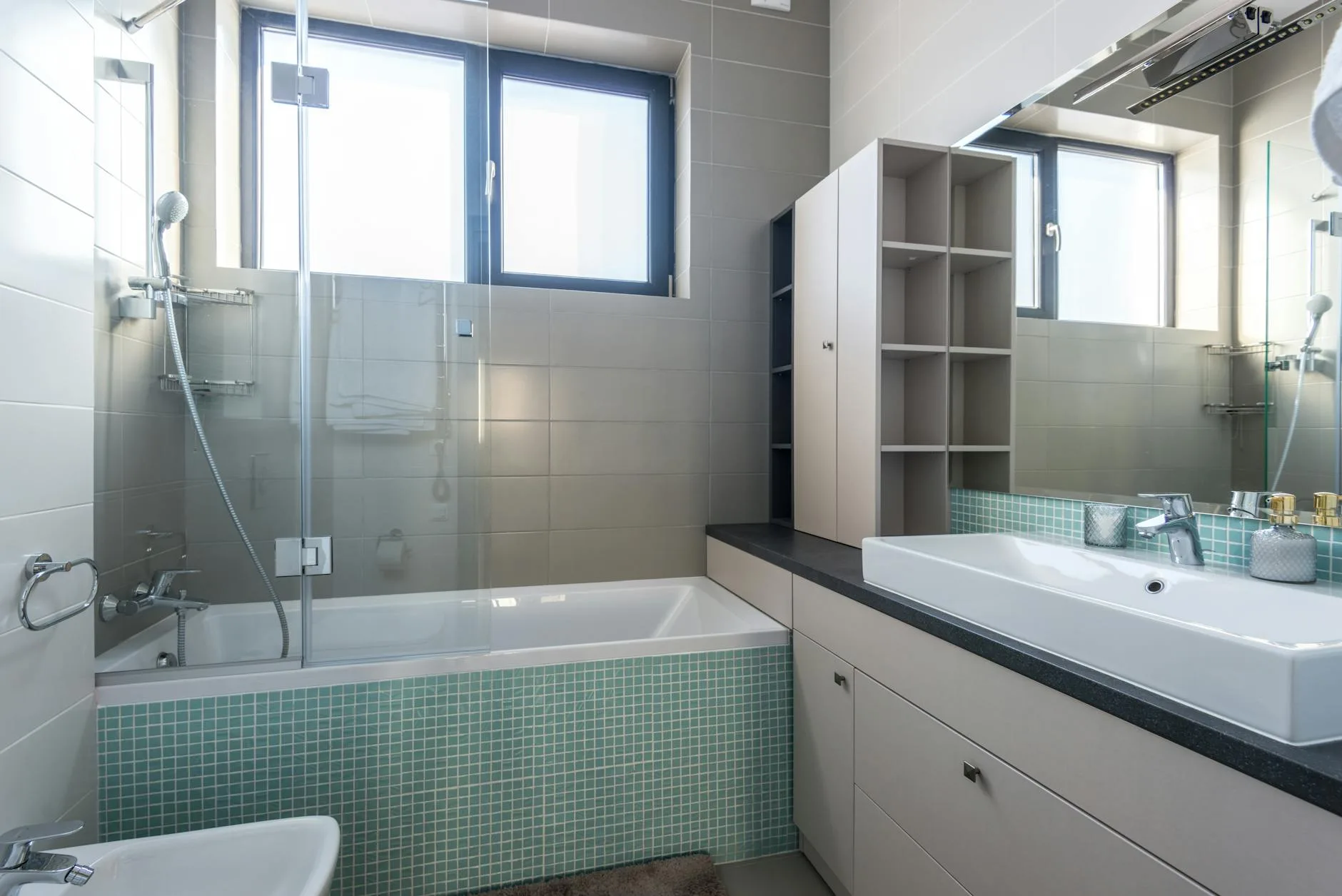
Keep Portable Electrics Out of Wet Zones
Electrical Safety First explains that bathrooms have strict requirements because water increases electrical risk. Do not assume an ordinary portable dehumidifier has a bathroom-safe IP rating. Keep the appliance, plug and cable well away from baths, showers and basins, never touch it with wet hands, and do not run an extension lead into the room.
The safest useful arrangement for many homes is a dry landing or adjoining room immediately outside the bathroom, with the bathroom door open after the shower. Manufacturer instructions and a qualified electrician take priority over generic placement advice.
Run It After the Shower
Use the extractor during bathing, wipe up standing water, then run the dehumidifier with nearby doors and windows arranged to concentrate on the damp area. A humidistat model can stop active extraction once the target is reached. This is more useful than running a weak mini unit continuously without knowing the room humidity.
Clean the Filter and Tank
A dusty intake reduces airflow. Check and clean a washable filter at the interval in the manual, empty the tank before it becomes stale and let it dry. Inspect continuous-drain hoses for kinks, leaks and biofilm. Never tip a compressor unit and immediately restart it; follow the manual after transport.
Features Worth Paying For
- Humidistat: lets the machine react to measured humidity instead of running blindly.
- Auto shut-off: stops operation when the tank is full.
- Accessible tank: matters in narrow spaces and for frequent emptying.
- Continuous drainage: useful only where a safe, suitable drain route exists.
- Defrost control: helps compressor models manage cooler conditions.
- Carry handle or castors: valuable when the safest position is outside the bathroom.
Wi-Fi, coloured lights and air purification can be convenient, but they should not outrank extraction capacity, safe positioning or humidity control. Read our humidifier versus dehumidifier guide if you are unsure whether excess moisture is the problem.
How we chose
We compared the manufacturers’ published extraction ratings, tank capacities, humidity controls, size and intended temperature range for the five exact models above. A litres-per-day rating is measured under specified conditions; it is not a household collection or drying-speed test. We have not measured these models’ noise, running costs or water removal ourselves. Bathroom electrical-safety guidance and the appliance instructions should determine where a portable unit may be used.
The Bottom Line
The MeacoDry Arete Two 10L is our first choice here for recurring bathroom condensation in a normally heated home because it combines a 10L rating, automatic humidity control and a practical tank. The published 35dB figure applies to its lowest fan setting, not every mode. The Pro Breeze 6L is the better compact compressor, while the COMFEE Aqua Dry 10L covers the 10L essentials with fewer control extras.
Choose the Meaco DD8L for a consistently cold space. Reserve the Pro Breeze 1000ml for mild residual moisture only. Most importantly, position any portable electrical appliance safely: a dry location outside the bathroom doorway is often more appropriate than placing it inside the room.
Frequently Asked Questions
Can you put a dehumidifier in a bathroom?
Only if the exact appliance instructions and installation comply with bathroom electrical-safety requirements. Do not assume a product is splash-safe. For many portable units, a dry position outside the open bathroom door after showering is the safer choice.
What size dehumidifier is best for a bathroom?
A 6L to 10L compressor model suits recurring shower moisture in many heated homes. A mini thermoelectric unit is appropriate only for mild condensation in a small warm room.
Should I run a dehumidifier while showering?
Use the extractor fan during the shower. A portable dehumidifier can then work from a safe dry position afterwards; never handle plugs or controls with wet hands or place the unit in a splash zone.
Will a dehumidifier stop bathroom mould?
It can reduce excess airborne moisture, but it will not remove existing mould or fix leaks, cold bridges and poor extraction. Clean mould safely and correct the underlying moisture source.
Is a compressor or desiccant dehumidifier better?
A compressor model is generally better in a normally heated home. A desiccant model is more useful in colder spaces, although it normally uses more electricity.
What humidity should a bathroom be after showering?
Aim to bring humidity back towards a normal household range rather than chasing an instant number while steam is present. A humidistat setting around 50% to 60% relative humidity is a practical starting point, adjusted for the home and manufacturer guidance.