You love your dog. You also love being able to breathe through your nose. These two things are in constant tension if you share a home with a pet, because animals — dogs, cats, rabbits, birds, hamsters, the lot — have a measurable and sometimes dramatic effect on the air inside your house. Pet dander, fur, saliva proteins, litter dust, and the general chaos of a living animal moving through enclosed spaces all contribute to indoor air pollution that most pet owners have simply learned to live with. The good news is that you don’t have to choose between your pet and your lungs — you just need to understand what’s happening and take a few practical steps to manage it.
In This Article
- What Pets Do to Your Indoor Air
- Pet Dander: The Invisible Problem
- Pet Hair and Fur vs Dander
- How Different Pets Affect Air Quality
- The Allergy Connection
- Air Purifiers for Pet Owners
- Ventilation: The Simplest Fix
- Cleaning Strategies That Actually Help
- Managing Pet Odour
- Frequently Asked Questions
What Pets Do to Your Indoor Air
Every animal in your home is a continuous source of airborne particles. They shed skin cells (dander), hair or fur, feather dust, and saliva proteins. They track outdoor allergens (pollen, mould spores, soil bacteria) inside on their paws and coats. Their bedding, litter, and food all contribute additional particles and volatile organic compounds (VOCs) to your indoor environment.
The Scale of the Problem
A single cat produces enough dander to be detectable in homes where no cat has lived for up to six months after the cat leaves. Dog allergens (specifically the protein Can f 1) have been found in buildings where dogs have never been — carried in on the clothing of dog owners. According to the NHS guidelines on pet allergies, pet allergens are among the most common triggers for asthma and allergic rhinitis in the UK, affecting an estimated 10-15% of the population.
It’s Not Just Allergies
Even if nobody in your household is allergic to pets, animal-related particles contribute to overall indoor particulate matter (PM2.5 and PM10). Higher particulate levels are associated with increased respiratory irritation, worse sleep quality, and a general feeling of stuffiness in enclosed rooms. You might not sneeze, but you might notice you sleep better when you spend a night in a pet-free hotel room.
Pet Dander: The Invisible Problem
Dander is microscopic flakes of dead skin that all warm-blooded animals shed continuously. It’s the primary allergen from cats and dogs — not the fur itself. Dander particles are tiny (2.5-10 micrometres), which means they stay airborne for hours and penetrate deep into your lungs when inhaled.
Why It’s So Persistent
Dander is sticky. It adheres to walls, carpets, soft furnishings, clothing, and curtains. It doesn’t just float through the air — it settles on every surface and gets redistributed every time you sit on the sofa, fluff a cushion, or walk across a carpeted room. Vacuuming helps but doesn’t eliminate it — standard vacuum cleaners can actually make things worse by exhausting fine dander particles back into the air through the filter.
Cat vs Dog Dander
Cat dander is smaller, stickier, and more potent as an allergen than dog dander. The protein Fel d 1 (the primary cat allergen) is produced in cats’ sebaceous glands and saliva, then spread across their fur during grooming. Because cats groom obsessively, they distribute allergens far more than dogs do. Cat allergen levels in homes with cats are typically 5-10 times higher than dog allergen levels in homes with dogs.
This is why cat allergies tend to be more severe than dog allergies — the allergen is present in greater quantities and the particles are smaller, penetrating deeper into the respiratory system.
Pet Hair and Fur vs Dander
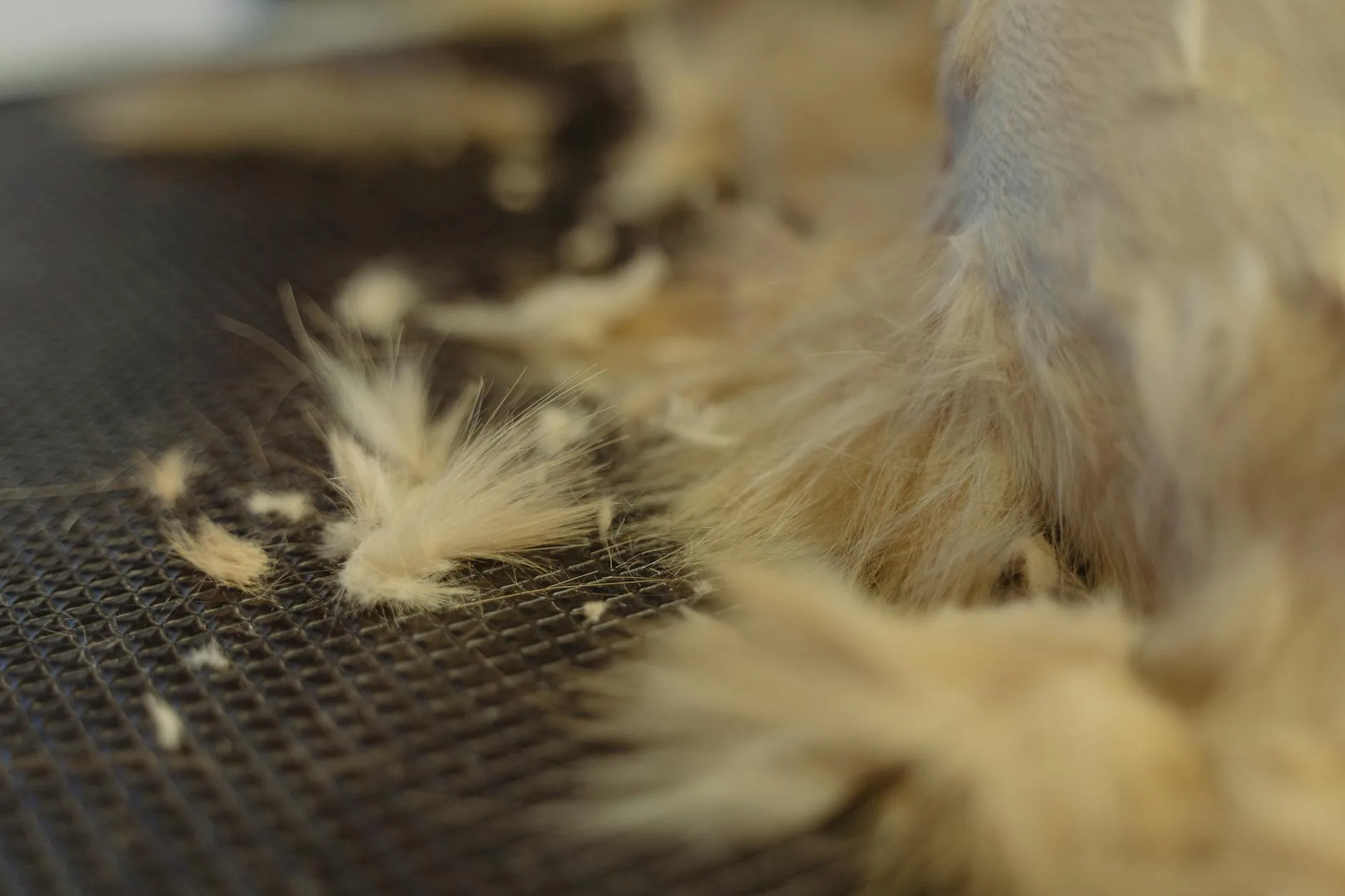
A common misconception: people think they’re allergic to pet hair. They’re not — they’re allergic to the proteins in dander and saliva that coat the hair. The hair itself is an inert fibre. However, pet hair acts as a carrier for dander, making it an indirect contributor to air quality problems.
Shedding Seasons
Dogs and cats shed more during spring and autumn as their coats change between summer and winter thickness. During peak shedding, the volume of hair (and attached dander) in your home increases notably. Double-coated breeds (Huskies, Golden Retrievers, British Shorthair cats) produce particularly heavy seasonal sheds.
“Hypoallergenic” Breeds
No dog or cat breed is truly hypoallergenic. Breeds marketed as hypoallergenic (Poodles, Bichon Frise, Sphynx cats) produce less dander or shed less hair than other breeds, which reduces allergen levels — but they still produce allergens. If you’re severely allergic, a “hypoallergenic” pet will still trigger symptoms, just less severely than a heavy-shedding breed.
How Different Pets Affect Air Quality
Dogs
Moderate to high impact depending on breed, size, and how much time they spend outdoors. Outdoor dogs track pollen, mould spores, and soil into the house on their paws and coats. Large dogs produce more dander than small dogs simply because they have more skin surface area. Dogs that swim or play in muddy conditions bring additional moisture and organic matter indoors.
Cats
High impact. Cats produce more allergenic dander per body weight than dogs, groom constantly (spreading saliva proteins), and many use indoor litter trays that generate dust and ammonia. Litter dust is a significant air quality concern — clay-based litters produce fine silica dust that’s an inhalation hazard for both cats and humans. A cat litter tray in a small, poorly ventilated room is one of the worst indoor air quality scenarios in a UK home.
Birds
Surprisingly high impact. Birds produce feather dust (a fine powder from feather breakdown) continuously. Cockatiels, cockatoos, and African Greys are the worst offenders — they produce a white powder called “powder down” that coats everything near the cage. Bird keepers who don’t manage this dust risk developing a condition called bird fancier’s lung, a form of hypersensitivity pneumonitis. An air purifier near the bird cage is strongly recommended.
Small Animals (Rabbits, Hamsters, Guinea Pigs)
Moderate impact. Bedding materials (wood shavings, hay) produce dust. Urine produces ammonia. The contained nature of cages concentrates these pollutants, and when you open the cage or clean it, a burst of particles enters the room air. Use dust-extracted bedding and clean cages frequently.
The Allergy Connection
How Pet Allergies Work
Your immune system misidentifies pet proteins (dander, saliva, urine proteins) as threats and mounts an inflammatory response. Symptoms range from mild (sneezing, itchy eyes, runny nose) to severe (asthma attacks, eczema flare-ups, difficulty breathing). Repeated exposure in a closed environment keeps the immune system in a constant state of alert, which is why pet allergy symptoms are often worst in winter when windows stay closed.
Living With a Pet When You’re Allergic
Many allergic people choose to live with pets anyway — the emotional bond outweighs the physical discomfort. If this is you, the strategies in this article (air purification, ventilation, cleaning, pet-free zones) become essential rather than optional. Speak to your GP about antihistamines and nasal corticosteroids — prescription options are more effective than over-the-counter for chronic pet allergy management.
Children and Pet Allergies
Research is mixed. Some studies suggest early pet exposure reduces allergy risk in children. Others show increased sensitisation. The current NHS position on allergies in children is that there’s no strong evidence either way. If your child develops allergy symptoms, consult your GP rather than rehoming the pet — management strategies often resolve symptoms without that drastic step.
Air Purifiers for Pet Owners
An air purifier won’t eliminate pet allergens from your home, but a good one makes a meaningful difference — particularly in the rooms where pets spend the most time.
What to Look For
- True HEPA filter — captures 99.97% of particles at 0.3 micrometres, which includes all pet dander. Non-HEPA “HEPA-type” filters don’t meet this standard. Check the spec says “True HEPA” or “H13/H14.”
- Activated carbon filter — absorbs pet odour, ammonia from litter trays, and VOCs. Essential for cat owners.
- Adequate room coverage — check the CADR (Clean Air Delivery Rate) and ensure it matches your room size. An undersized purifier in a large room is almost useless.
- Quiet operation — if the purifier runs in a bedroom, noise matters. Look for models under 30dB on the lowest setting.
Our air purifier buying guide covers specific models, but for pet owners specifically, the Levoit Core 400S (about £160) and Philips 2000i (about £250) both offer true HEPA + carbon filtration with strong CADR ratings suitable for living rooms and bedrooms.
Placement
Put the purifier in the room where the pet spends the most time — usually the living room. If the pet sleeps in the bedroom, a second purifier there makes a noticeable difference to nighttime breathing. Position the purifier with the intake facing the main source of pet traffic (the pet bed, the cat tree, the cage) and the exhaust directed away from walls for maximum circulation.
Filter Replacement
Pet owners need to replace filters more frequently than the manufacturer’s standard schedule. HEPA filters rated for 12 months in a pet-free home may need replacing every 6-8 months in a home with pets. The filter change guide covers signs that your filter is saturated — reduced airflow, the purifier’s fan working harder, and return of pet odour are all indicators.
Ventilation: The Simplest Fix
Open the Windows
The single most effective way to improve indoor air quality with pets is opening windows. Cross-ventilation (opening windows on opposite sides of the house) creates airflow that dilutes and removes airborne particles, odours, and VOCs within minutes. Even 15-20 minutes of window opening per day makes a measurable difference.
In winter, crack a window in the room where the pet spends time for at least 15 minutes while you’re home. The heat loss is minimal but the air quality improvement is significant. Bathroom and kitchen extractor fans also help — run them for 15-20 minutes after cooking or showering to maintain overall air exchange.
Mechanical Ventilation
If your home has a Mechanical Ventilation with Heat Recovery (MVHR) system, it continuously exchanges indoor air with filtered outdoor air while retaining heat. MVHR systems are increasingly common in new-build UK homes and are excellent for pet owners because they provide constant air exchange without opening windows. The filters in MVHR systems catch larger particles including pet hair and some dander.
The Bedroom Rule
The single most impactful change allergic pet owners can make: keep the bedroom pet-free. Your bedroom is where you spend 7-8 hours breathing the same air. If pet dander is in that air, you’re inhaling allergens for a third of your life. A pet-free bedroom with the door closed gives your respiratory system a nightly recovery period.
This is hard. The dog gives you that look. The cat scratches the door at 3am. But the science is clear — bedrooms without pets have allergen levels 10-100 times lower than bedrooms where pets sleep, and allergy sufferers report notably better sleep quality when the bedroom is a pet-free zone.
Cleaning Strategies That Actually Help
Vacuum With HEPA Filtration
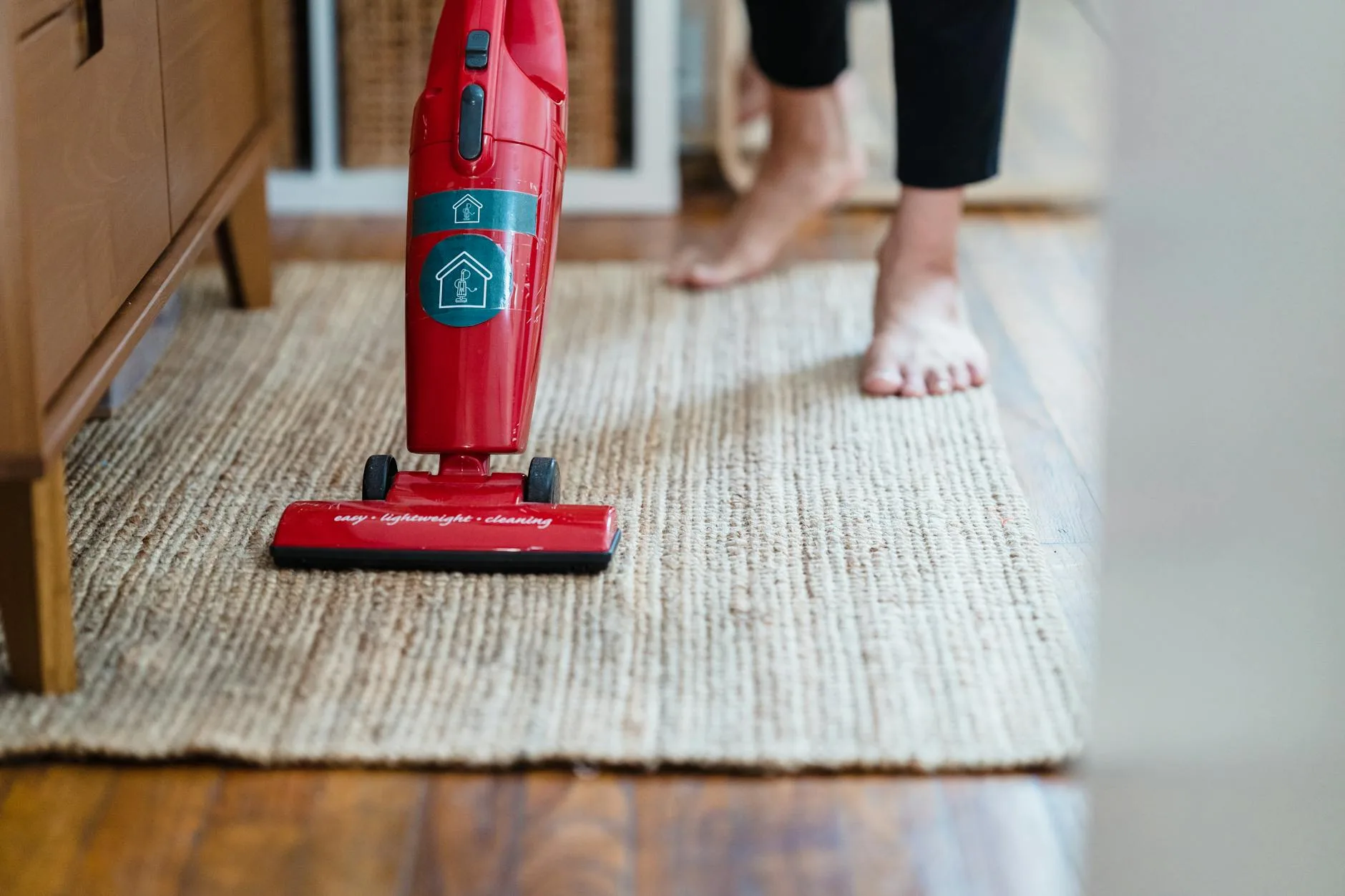
Standard vacuum cleaners can make pet allergen problems worse by exhausting fine particles through the filter back into the room. A vacuum with a sealed HEPA filtration system captures and retains pet dander instead of redistributing it. Brands with genuine HEPA-sealed systems include Dyson, Shark, Miele, and Henry (the HVR160 with HEPA filtration).
Vacuum high-traffic pet areas (hallways, living room, pet beds) at least twice a week. Vacuum soft furnishings — sofa cushions, armchairs, curtains — monthly. Use the upholstery attachment, not the floor head.
Hard Floors vs Carpet
Hard floors (wood, tile, laminate, vinyl) are far better for air quality in homes with pets. Dander and hair sit on the surface where they can be swept, mopped, or vacuumed easily. Carpet traps dander deep in the fibres where even HEPA vacuuming only removes a fraction. If you’re renovating or replacing flooring, hard floors in pet areas are worth the investment.
Wash Pet Bedding Weekly
Pet beds, blankets, and favourite sofa throws accumulate dander rapidly. Wash them at 60°C weekly — this temperature kills dust mites that feed on dander and removes the majority of accumulated allergens. If your pet sleeps on your bed (despite the bedroom rule above), wash bedding twice weekly.
Groom Your Pet Regularly
Brushing your dog or cat outdoors removes loose hair and dander before it enters your home. A weekly outdoor grooming session with a deshedding tool (Furminator or equivalent, about £15-25) reduces the amount of hair and dander circulating indoors. Bathe dogs monthly with a gentle pet shampoo — this reduces dander levels for about a week. Cats are harder to bathe, but pet-safe dander-reducing wipes (about £8 for a pack) applied weekly help.
Managing Pet Odour
Where Pet Odour Comes From
“Wet dog” smell is caused by microorganisms (yeast, bacteria) on the dog’s skin and coat releasing volatile compounds when activated by moisture. Cat odour primarily comes from litter trays — the ammonia in cat urine is pungent and irritating to airways. General pet odour is a mix of body oils, saliva, bedding, and the food they eat.
What Works
- Activated carbon air purifiers — the carbon filter absorbs odour-causing VOCs from the air
- Regular litter tray cleaning — scoop daily, full litter change weekly. An enclosed litter tray with a carbon filter in the lid helps contain odour between cleanings.
- Enzyme-based cleaners (like Bio-D or Simple Solution, about £5-8) — break down the organic compounds that cause pet odour rather than masking them with fragrance
- Regular grooming and bathing — addresses odour at the source
What Doesn’t Work
- Air fresheners and plug-ins — mask odour with additional chemicals, adding VOCs to your indoor air rather than removing them. Some contain phthalates and formaldehyde, which are indoor air pollutants in their own right.
- Scented candles — produce soot and particulates that worsen air quality. A candle burning in a room with pet dander is adding to the particle load, not reducing it.
- Carpet deodorisers — sodium bicarbonate-based powders sprinkled on carpet can help temporarily, but the powder itself becomes an airborne irritant when disturbed. Use sparingly and vacuum thoroughly after application.
Frequently Asked Questions
Do air purifiers help with pet allergies? Yes, a true HEPA air purifier captures pet dander particles and reduces allergen levels in the room it’s placed in. It won’t eliminate allergies entirely, but combined with regular cleaning, grooming, and ventilation, it makes a meaningful difference — particularly in bedrooms and living rooms where you spend the most time.
Are some dog breeds better for indoor air quality? Low-shedding breeds (Poodles, Bichon Frise, Portuguese Water Dogs) produce less airborne hair and dander than heavy shedders, which helps indoor air quality. But no breed is truly hypoallergenic — all dogs produce dander and saliva proteins that are allergenic.
How often should I vacuum if I have pets? At least twice a week in areas where pets spend time, using a vacuum with sealed HEPA filtration. High-shedding periods (spring and autumn) may require daily vacuuming in main living areas. Vacuum soft furnishings monthly with the upholstery attachment.
Should I keep pets out of the bedroom? If anyone in the household has pet allergies or asthma, yes. Bedrooms where pets sleep have 10-100 times higher allergen levels. Keeping the bedroom pet-free gives your respiratory system 7-8 hours of low-allergen recovery each night, which reduces daytime symptoms.
Does opening windows help with pet smell? It’s the most effective short-term solution. Cross-ventilation (windows open on opposite sides) for 15-20 minutes removes airborne pet odour and replaces stale air with fresh. Combine with an activated carbon air purifier for ongoing odour management when windows are closed.
If you are solving the same room problem, compare this with How to Improve Indoor Air Quality: The Complete UK Guide, How to Test Indoor Air Quality at Home, Best CO2 Monitors 2026 UK: Track Indoor Air Quality.