Your flat faces north. The hallway gets no natural light whatsoever. The bathroom has a frosted window that barely lets in a glow. You have killed three plants in six months — not through neglect but through optimism, buying sun-lovers and hoping they would adapt to conditions they were never designed for. They did not adapt. They stretched, yellowed, and died. The solution is not “more light” (you cannot move the windows) — it is choosing plants that evolved in the understory of tropical forests where direct sunlight never reaches the ground.
In This Article
- What Counts as Low Light in a UK Home
- The Best Low-Light Houseplants
- Plants That Tolerate Near-Darkness
- Low-Light Plants That Flower
- Caring for Plants in Low-Light Conditions
- Signs Your Plant Needs More Light
- Best Rooms for Low-Light Plants
- Artificial Light Supplementation
- Frequently Asked Questions
What Counts as Low Light in a UK Home
Low light does not mean no light. Even the darkest room in a typical UK house receives some ambient light during the day — enough for adapted plants to photosynthesise, just not enough for sun-demanding species.
Low Light Defined
- North-facing windows — indirect light only, no direct sun exposure at any time of year
- 2-3 metres from any window — light drops sharply with distance from glass
- Rooms with small windows or frosted glass — bathrooms, hallways, stairwells
- Corners and alcoves — architectural features that block light from reaching certain spots
The UK Winter Factor
British winters compound the problem. From November to February, daylight hours drop to 7-8 per day, overcast skies are the norm, and even south-facing rooms receive weak indirect light. Plants that cope with low light in summer may struggle in winter — choose species rated for genuine shade tolerance rather than “partial shade” which assumes more light than UK homes provide for half the year.
Testing Your Light Level
Hold your hand 30cm above the spot where you want to place a plant at midday on a cloudy day. If you can see a distinct shadow, you have medium-low light. If the shadow is barely visible, you have low light. If there is no shadow at all, you have very low light — only the toughest species survive here permanently.
The Best Low-Light Houseplants
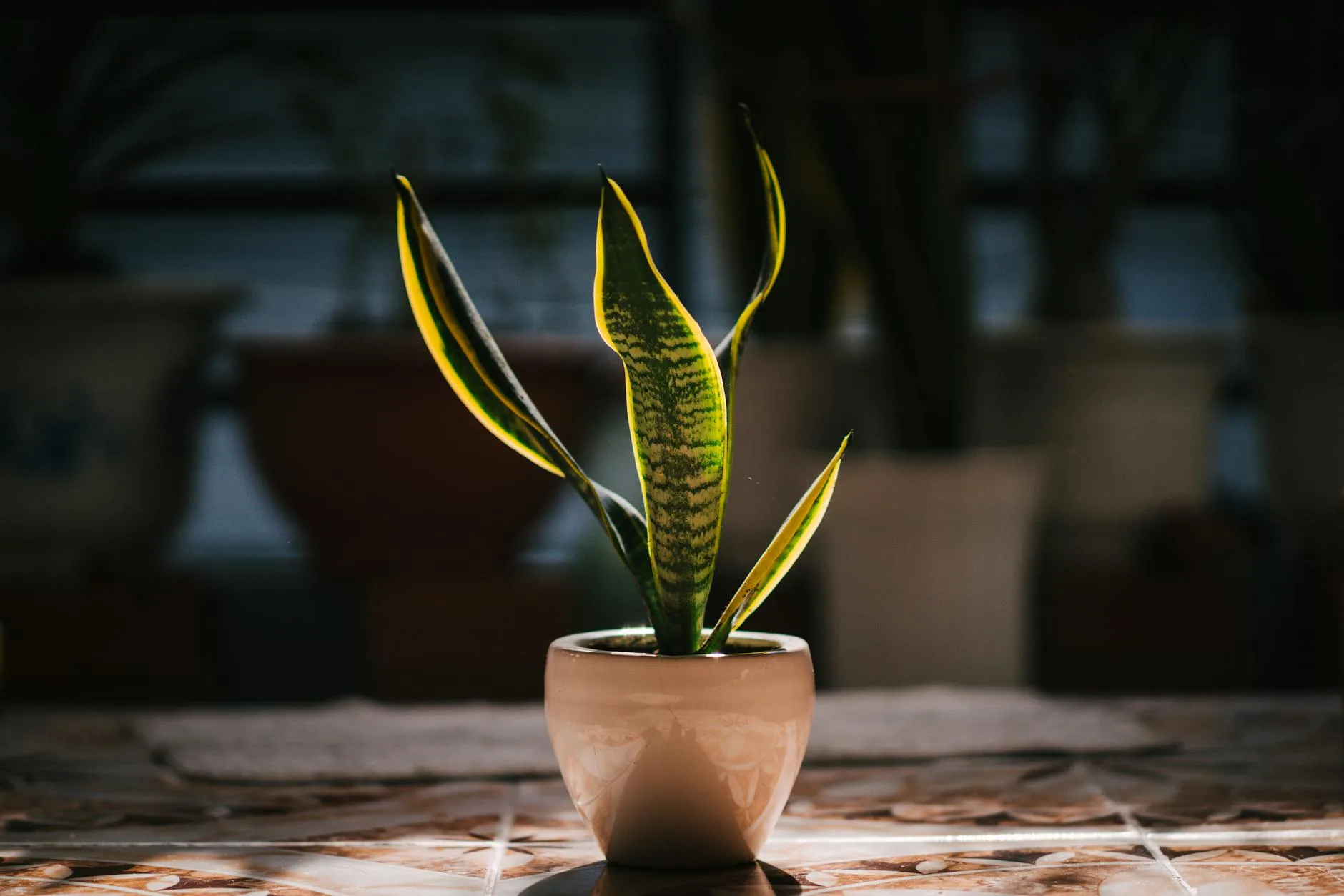
Snake Plant (Sansevieria trifasciata)
The ultimate low-light survivor. Upright, sculptural leaves that tolerate weeks of neglect, dry air, and truly dark corners. Snake plants photosynthesise so efficiently that they survive in conditions that kill almost every other houseplant. They also convert CO2 to oxygen at night (most plants do the opposite), making them ideal bedroom plants.
Care is minimal: water every 2-3 weeks in summer, monthly in winter. The most common cause of death is overwatering — let the soil dry completely between waterings. A snake plant in a dark hallway with monthly watering will outlive most houseplants in perfect conditions.
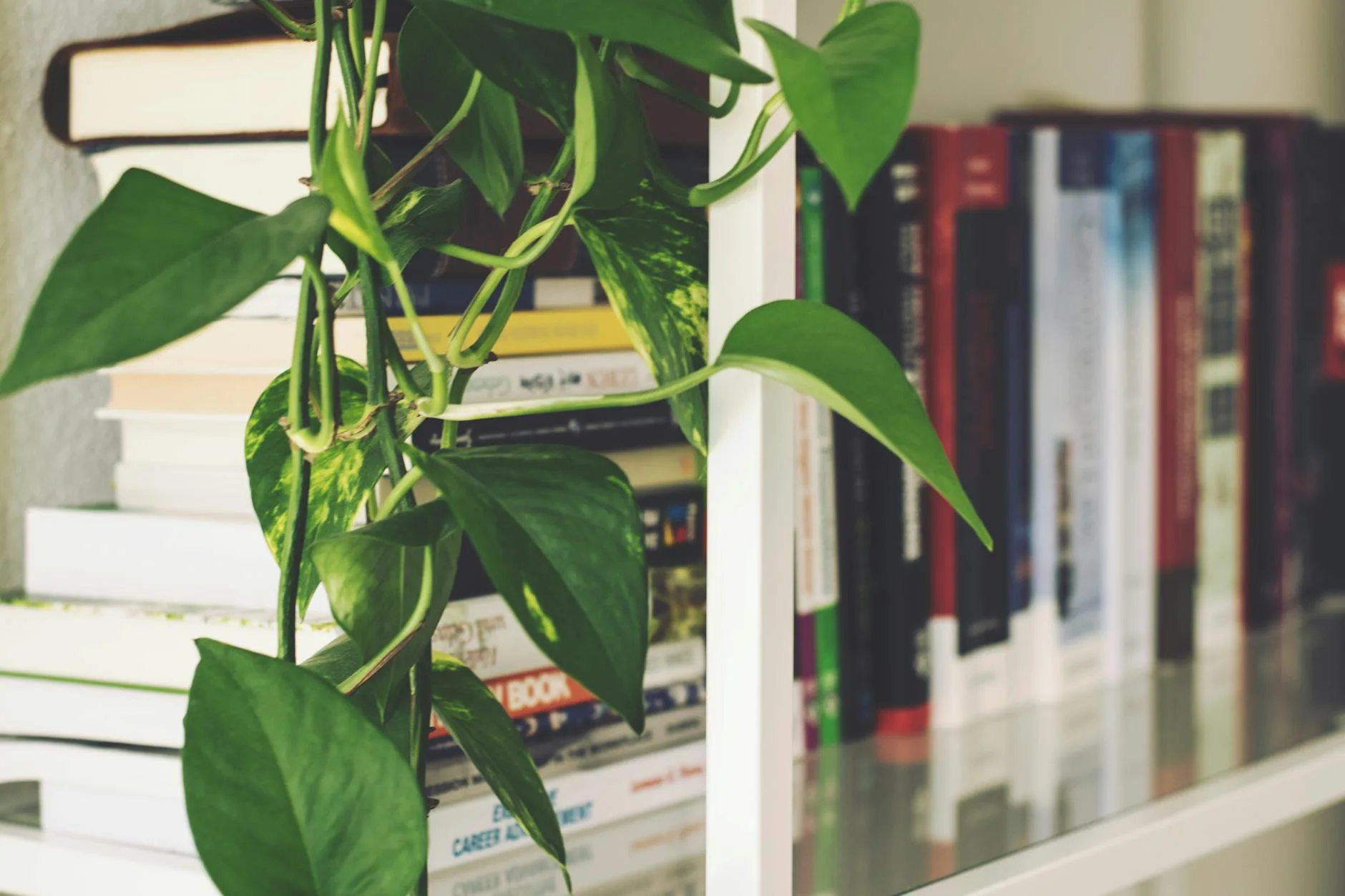
Pothos (Epipremnum aureum)
Trailing vines with heart-shaped leaves that grow in any light condition from bright indirect to very dim. In low light, growth slows and variegated varieties lose their patterning (reverting to plain green) but the plant remains healthy. The trailing habit makes pothos excellent for high shelves, hanging planters, or training along picture rails.
Water when the top 3cm of soil feels dry. Pothos tolerates irregular watering well — the leaves droop obviously when thirsty, then perk up within hours of proper watering. One of the most forgiving houseplants in existence.
ZZ Plant (Zamioculcas zamiifolia)
Glossy, dark green compound leaves on thick stems that store water like a succulent. ZZ plants tolerate drought, low light, and neglect simultaneously — the trifecta that most houseplants cannot manage. Growth is slow in shade (one or two new stems per year) but the existing foliage stays healthy for years without fuss.
The rhizome root system stores water and nutrients underground, allowing the plant to survive months of drought. Perfect for offices, spare bedrooms, and any room you forget about for weeks at a time. Toxic if ingested — keep away from curious pets and toddlers.
Peace Lily (Spathiphyllum)
One of very few plants that flowers reliably in low light. White sail-shaped blooms appear year-round in good conditions (spring and summer in low light). The dark green leaves are glossy and architectural. Peace lilies prefer more moisture than the previous three — water when the top 2cm is dry and mist occasionally in dry, centrally heated rooms.
Peace lilies communicate clearly: they droop visibly when thirsty, perk up within an hour of watering, and develop brown leaf tips if air is too dry. This makes them easy to “read” even for inexperienced plant owners.
Cast Iron Plant (Aspidistra elatior)
The Victorian parlour plant — bred for survival in dark, gas-lit rooms with coal fires and no central heating. If it survived Victorian London, it will survive your hallway. Broad, dark green, arching leaves that emerge directly from the soil. Extremely slow-growing but essentially indestructible in low light.
Water sparingly (every 2-3 weeks), keep away from direct sun (which scorches the leaves), and otherwise forget about it. Cast iron plants have been known to survive in offices for decades with barely any attention. Available from most UK garden centres for £15-30 depending on size.
Plants That Tolerate Near-Darkness
For spots that get minimal light — internal hallways, windowless bathrooms with only artificial light, deep corners far from any window:
Chinese Evergreen (Aglaonema)
Patterned leaves in silver, green, pink, and red combinations. Tolerates remarkably low light — the plain green varieties cope best in deep shade, while colourful varieties need slightly more light to maintain their patterning. Compact growth habit works well on shelves and side tables.
Parlour Palm (Chamaedorea elegans)
A small palm (rarely exceeds 1.2m indoors) that thrives in shade. Delicate, arching fronds add tropical texture to dark corners without demanding tropical light levels. Slow-growing, rarely needs repotting, and tolerates dry air better than most palms. Available everywhere from supermarkets to specialist nurseries.
Devil’s Ivy (Golden Pothos, Neon Pothos variants)
Specific pothos varieties with solid green leaves (rather than variegated) photosynthesise more efficiently in low light. The ‘Jade’ pothos or ‘Neon’ variety maintain their colour better in shade than the classic golden variegated form. Trail them from the top of wardrobes or bookcases where light barely reaches.
Low-Light Plants That Flower
Peace Lily
Already covered above — the most reliable low-light bloomer. Expect fewer flowers in deep shade than in medium-low light, but they do still appear.
Moth Orchid (Phalaenopsis)
Counterintuitively, orchids do not need bright light. Phalaenopsis orchids naturally grow on shaded tree branches in tropical forests and perform well on north-facing windowsills or 1-2 metres from east-facing windows. The flowers last 2-3 months per bloom cycle. Water weekly by soaking the pot for 10 minutes.
Cyclamen
A winter-flowering houseplant that actually prefers cool, low-light conditions (15-18°C). Produces gorgeous pink, red, white, or purple flowers from October to March — exactly when UK homes are darkest. Cyclamen dislike central heating — keep them in unheated hallways, porches, or cool bedrooms for longest flowering.
Caring for Plants in Low-Light Conditions
Water Less
Photosynthesis drives water uptake. Less light means less photosynthesis means less water consumed. Every low-light plant needs less frequent watering than its care label suggests (those labels assume brighter conditions). Overwatering in shade is the number one killer — the soil stays wet for days longer than it would near a window.
Reduce Feeding
Feed monthly during spring and summer with half-strength liquid fertiliser. Do not feed at all from October to February when light levels are insufficient for growth. Feeding a plant that cannot grow is like filling a car with petrol when the engine is off — the nutrients just sit in the soil, building up salt concentrations that burn roots.
Keep Leaves Clean
Dust blocks the limited light reaching your plant’s leaves. Wipe large-leaved plants (snake plant, ZZ, aspidistra) monthly with a damp cloth. For trailing plants, gently shower them in the bath quarterly. Clean leaves can be 20-30% more efficient at capturing light than dusty ones. The RHS houseplant guidance emphasises leaf cleaning as a key maintenance task.
Rotate Quarterly
Even in low light, plants grow toward whatever light source exists. Rotate 90 degrees every 3 months to maintain symmetrical growth. Without rotation, plants develop a lopsided lean toward the nearest window — not harmful but aesthetically annoying over time.
Signs Your Plant Needs More Light
- Leggy, stretched growth — stems elongating rapidly with large gaps between leaves, reaching toward light
- Pale or yellowing leaves — insufficient chlorophyll production due to low photosynthesis
- Variegation loss — patterned leaves reverting to solid green (the plant prioritises photosynthesis over decoration)
- No new growth for months — normal in winter, concerning in spring/summer
- Dropping leaves — the plant cannot support its existing foliage on available light energy
If you see these signs on a plant already positioned in the best available light, consider supplementing with a grow light rather than moving the plant to a position that may not exist in your home.
Best Rooms for Low-Light Plants
North-Facing Living Rooms
The brightest of the “low light” options. Snake plants, ZZ plants, and pothos all thrive here. Place them within 2m of the window for best results, or anywhere in the room for survival without active growth.
Hallways and Stairwells
Often the darkest spots in a home. Choose cast iron plants, Chinese evergreens, or plain-green pothos varieties. Avoid anything variegated or flowering — there simply is not enough light for these to maintain colour.
Bathrooms (With Windows)
Higher humidity compensates for lower light. Ferns (Boston fern, maidenhair), peace lilies, and prayer plants (Calathea) love the combination of shade and humidity that bathrooms provide. Avoid bathrooms with no window at all unless you supplement with artificial light.
Bedrooms
Snake plants are ideal — they release oxygen at night unlike most plants. Peace lilies and ZZ plants work well positioned on north-facing windowsills or bedside tables away from direct light. Low-light bedrooms with closed curtains during the day are more challenging — open curtains when you leave to maximise the light your plants receive.
Artificial Light Supplementation
When It Makes Sense
If your best available position still produces stretched, unhealthy growth, a simple LED grow light run for 8-10 hours daily can transform a dark spot into a viable growing environment. Modern grow lights are small, affordable (£15-30), and designed to look like normal desk or clip lamps.
What to Buy
Full-spectrum LED bulbs in standard E27 fittings cost £8-15 and fit into any desk lamp or clip light. Position 30-50cm above the plant and run on a timer for consistency. Your plants cannot tell the difference between sunlight and artificial full-spectrum light — only the intensity and duration matter.
When to Skip It
If your plant is surviving (not thriving) in its current position and you are happy with slow growth and fewer leaves, supplementation is not necessary. Snake plants, ZZ plants, and cast iron plants truly do not need it — they evolved for survival in deep shade and will persist for decades without any supplement.
If you are solving the same room problem, compare this with How to Repot Houseplants: Signs, Soil & Step-by-Step, How to Maintain the Right Humidity for Houseplants, Best Indoor Plant Pots 2026 UK: Ceramic, Terracotta & Modern, Pet-Safe Houseplants: A Complete UK Guide.
Frequently Asked Questions
Can any plant survive in a windowless room? Not long-term without artificial light. All plants need light for photosynthesis — even the most shade-tolerant species require some. A windowless room with only incandescent or LED ambient lighting provides insufficient spectrum and intensity. Add a dedicated grow light or rotate plants between the dark room and a brighter spot every 2-3 weeks.
Why do variegated plants lose their pattern in low light? The white/yellow portions of variegated leaves contain no chlorophyll and cannot photosynthesise. In low light, the plant prioritises survival by producing more chlorophyll (green) in new growth. This is a reversible adaptation — move the plant to brighter light and new growth will return to variegated.
Are low-light plants slower growing? Yes — less light means less energy for growth. A pothos in bright indirect light might grow 30cm per month in summer. The same plant in a dark corner might grow 5cm. This is not a problem if you accept it — many people prefer the compact, slow growth that low-light conditions produce.
Do low-light plants clean the air? All plants remove some CO2 and volatile organic compounds (VOCs) from air, but the effect in a typical room is minimal compared to opening a window. Snake plants and peace lilies are often cited for air-purifying properties, which is true at laboratory scale but negligible in a normal-sized room. Buy them because they look good and survive well — not as air purifiers.
What is the absolute easiest plant for a dark UK flat? Snake plant (Sansevieria). Tolerates the darkest conditions, needs watering once a month or less, survives heating fluctuations, requires no humidity, and is almost impossible to kill through neglect. If you can kill a snake plant, the problem is overwatering — water it even less.