It is January, the central heating has been running since October, and you are waking up with a dry throat, cracked lips, and a nose that feels like sandpaper. You are drinking plenty of water, using lip balm constantly, and your skin still looks like it belongs on a desert lizard. A colleague mentions they bought a humidifier and their symptoms disappeared overnight. So now you are wondering: do you actually need one in the UK, a country famous for being damp?
In This Article
- The UK Humidity Paradox
- Signs Your Home Is Too Dry
- What Humidity Level Should Your Home Be?
- Why Central Heating Dries the Air
- Who Benefits Most from a Humidifier
- When You Do Not Need a Humidifier
- Types of Humidifier Explained
- Running Costs and Practicalities
- Alternatives to a Humidifier
- Our Humidifier Recommendations
- Frequently Asked Questions

The UK Humidity Paradox
The UK gets a lot of rain. Average outdoor relative humidity in winter hovers around 80-90%. So why would your home be too dry? Because outdoor humidity and indoor humidity are completely different measurements — and central heating transforms one into the other.
Outdoor Wet, Indoor Dry
Cold air holds less moisture than warm air. When cold, damp outdoor air enters your home and gets heated to 20-21 degrees Celsius, its relative humidity plummets. Air at 5 degrees with 90% relative humidity becomes roughly 30% relative humidity when heated to 21 degrees. That is drier than the Sahara on an average day.
Modern Homes Make It Worse
Older UK homes — Victorian terraces, 1930s semis — leak air through gaps in sashes, floorboards, and chimneys. This constant air exchange actually helps maintain humidity. Modern, well-insulated homes with double glazing and sealed doors trap dry heated air inside with very little natural ventilation. If you live in a new-build or a recently refurbished property, dry indoor air is almost guaranteed during the heating season.
The Heating Season Effect
The problem is seasonal. From roughly October to March — the months when your boiler runs regularly — indoor humidity can drop to 20-30%. During summer, when windows are open and heating is off, indoor humidity sits around 40-60% without any intervention. If your symptoms only appear in winter, the heating is very likely the cause.
Signs Your Home Is Too Dry
Physical Symptoms
- Dry, cracked skin — especially hands, elbows, and around the nose
- Static shocks — touching metal objects, getting out of bed, stroking the cat
- Dry throat and nose on waking — particularly if you breathe through your mouth while sleeping
- Irritated eyes — that gritty, tired feeling even after a full night’s sleep
- Increased nosebleeds — dry nasal passages crack and bleed, especially in children
- Worsening eczema or psoriasis — low humidity triggers flare-ups in many people
Home Symptoms
- Cracking wooden furniture — wood shrinks as it dries. Antique furniture is especially vulnerable
- Gaps appearing in wooden floors — floorboards contract in dry air
- Peeling wallpaper edges — adhesive dries out and lifts
- Musical instruments going out of tune — guitars, pianos, and violins are highly sensitive to humidity changes
- Houseplants with brown, crispy leaf edges — most tropical houseplants prefer 40-60% humidity
What Humidity Level Should Your Home Be?
The Ideal Range
According to the NHS guidance on indoor environments, indoor relative humidity between 40-60% is considered comfortable and healthy. Below 30% causes the dry-air symptoms listed above. Above 60% encourages dust mites, mould growth, and condensation — problems the UK knows all too well.
How to Measure It
A digital hygrometer costs about £8-12 from Amazon UK or Screwfix and tells you the current relative humidity in seconds. Place it in the room where you spend the most time — usually the living room or bedroom. Measure at different times of day, especially in the morning when heating has been running overnight.
If you want to understand humidity measurements in more detail, our guide on how to measure humidity in your home covers everything from hygrometer placement to interpreting the numbers.
Room-by-Room Variation
Humidity varies between rooms. Kitchens and bathrooms are naturally more humid (cooking steam, showers). Bedrooms and living rooms — where you spend the most time with heating on — are usually the driest. Measure each room before deciding where a humidifier is needed.
Why Central Heating Dries the Air
The Physics
Relative humidity is a percentage — it measures how much moisture the air holds compared to its maximum capacity at that temperature. Warm air can hold more moisture than cold air. When you heat cold air without adding moisture, the actual water content stays the same but the percentage drops because the capacity increases. The air is not losing moisture; it is gaining the ability to hold more, which makes existing moisture feel insufficient.
Radiators Are the Worst Offenders
Radiator-based central heating (the most common type in UK homes) heats air through convection. Hot air rises from the radiator, cool air flows in to replace it, and this circulation constantly moves dry heated air around the room. Underfloor heating is gentler because it heats at a lower temperature over a larger area, but it still drops humidity.
Thermostat Habits
The higher you set your thermostat, the drier the air becomes. Dropping your thermostat by 1-2 degrees reduces the humidity impact noticeably. A home heated to 19 degrees is measurably less dry than one at 22 degrees — and you save on energy bills too.
Who Benefits Most from a Humidifier
People with Respiratory Conditions
Asthma, chronic bronchitis, and COPD symptoms can worsen in dry air. The airways rely on a thin layer of mucus to trap irritants, and dry air evaporates that protective layer. A humidifier in the bedroom helps keep airways moist overnight. If you are unsure whether the air quality in your home is contributing to symptoms, our guide on testing indoor air quality at home can help you assess the situation.
Eczema and Dry Skin Sufferers
Dermatologists routinely recommend humidifiers for eczema management. Dry air pulls moisture from the skin, worsening the itch-scratch cycle. Running a humidifier in the bedroom at 40-50% humidity can reduce overnight skin moisture loss noticeably. After three winters of using one in the bedroom, the difference in morning skin condition is night and day.
Households with Babies and Young Children
Babies breathe exclusively through their noses for the first few months. Dry air causes nasal congestion, disrupted sleep, and discomfort. A cool-mist humidifier in the nursery is one of the most commonly recommended interventions by health visitors. Keep it at 40-50% and clean it weekly.
Snorers and Mouth Breathers
If you or your partner snores, dry air makes it worse. Dry nasal passages swell, increasing airway resistance and vibration. A humidifier will not cure snoring caused by structural issues, but it reduces the severity for many people. I noticed a genuine difference after the first week — not a cure, but enough that my partner stopped threatening to relocate me to the spare room.
People with Wooden Floors or Antique Furniture
If you have hardwood floors, a piano, or antique wooden furniture, maintaining 40-50% humidity protects your investment. Wood that dries below 35% humidity can crack, warp, and develop permanent gaps. Replacement is far more expensive than a humidifier.
When You Do Not Need a Humidifier
Not every UK home needs one. Save your money if any of these apply.
Your Home Already Has Condensation Problems
If you see water droplets on windows, damp patches on walls, or mould in the bathroom, your home is already too humid. Adding more moisture will make these problems worse. You need a dehumidifier, not a humidifier.
You Live in a Draughty Older Home
Victorian and Edwardian houses with original sash windows, unsealed chimneys, and suspended timber floors exchange air constantly with the outside. This natural ventilation often maintains reasonable humidity levels even with the heating on. Measure before buying — you might not need one.
You Rarely Use Central Heating
If you keep your home cool (under 18 degrees) or use heating sparingly, the humidity drop is less pronounced. People who work from home in a cold office and heat only the room they are in may find a humidifier unnecessary for the rest of the house.
Summer Months
Humidifiers are a winter tool in the UK. From April to September, when heating is off and windows are open, indoor humidity naturally sits in the comfortable 40-60% range. Pack your humidifier away in spring and bring it back in October.
Types of Humidifier Explained
Ultrasonic Humidifiers
The most common type for home use. A vibrating diaphragm creates a fine cool mist that disperses into the air. They are quiet (most run below 30 decibels), energy-efficient, and affordable — basic models start at about £20-30. The downside is white dust: if you use hard water (most of the UK), minerals in the water deposit as a fine white powder on nearby surfaces. Using distilled or filtered water prevents this.
Evaporative Humidifiers
A fan blows air through a wet wick or filter, evaporating water naturally. They self-regulate — as humidity rises, evaporation slows. They cannot over-humidify a room, which makes them safer to run unattended. They are louder than ultrasonic models (the fan noise) and the wicks need replacing every 2-3 months (about £8-15 each). The Vicks Warm Mist Humidifier (about £35 from Boots) is a popular evaporative option.
Steam Humidifiers
These boil water to create steam, then cool it slightly before releasing it. They produce the cleanest mist (boiling kills bacteria and mould), but they use more electricity and are hot to the touch — a safety concern with young children or pets. They are effective but less practical for bedroom use because of the noise and heat.
Whole-House Humidifiers
Installed into your HVAC system, these humidify the entire home through the ductwork. Uncommon in UK homes (which typically use radiators rather than ducted systems), but worth knowing about if you have a ducted warm-air system. Professional installation costs £300-500.
Running Costs and Practicalities
Electricity
Ultrasonic humidifiers use about 20-40 watts — roughly 1-2p per hour at current UK electricity rates. Running one overnight (8 hours) costs about 10-15p. Evaporative models use slightly more (30-50 watts due to the fan). Steam humidifiers use the most — 100-300 watts — making them 3-10 times more expensive to run.
Water Consumption
A typical bedroom humidifier uses 200-500ml of water per night. That is about one refill every 1-2 days for most tank sizes (2-4 litres). Not a significant water cost, but you do need to remember to refill it.
Cleaning and Maintenance
This is where humidifiers earn their bad reputation. A dirty humidifier can become a breeding ground for mould and bacteria, spraying contaminated mist into your room. The NHS recommends cleaning humidifiers at least weekly. Empty the tank daily, wipe it with a clean cloth, and deep-clean with white vinegar or a mild bleach solution weekly. Replace filters and wicks as recommended by the manufacturer.
Placement
Place your humidifier on a flat, elevated surface (a bedside table or shelf) about 1 metre from the bed. Point the mist away from walls and electronics. Never place it directly on a wooden floor — condensation underneath can damage the finish.
Alternatives to a Humidifier
Lower Your Thermostat
Reducing the temperature by 1-2 degrees raises relative humidity without adding any moisture. It also saves money. If your home is at 22 degrees, try 20 — you may find the dry-air symptoms reduce enough that a humidifier becomes unnecessary.
Dry Clothes Indoors
Hanging laundry on an indoor airer releases moisture into the room as it dries. In winter, this provides natural humidification. However, too much indoor drying can push humidity above 60% and cause condensation problems, so monitor with a hygrometer.
Houseplants
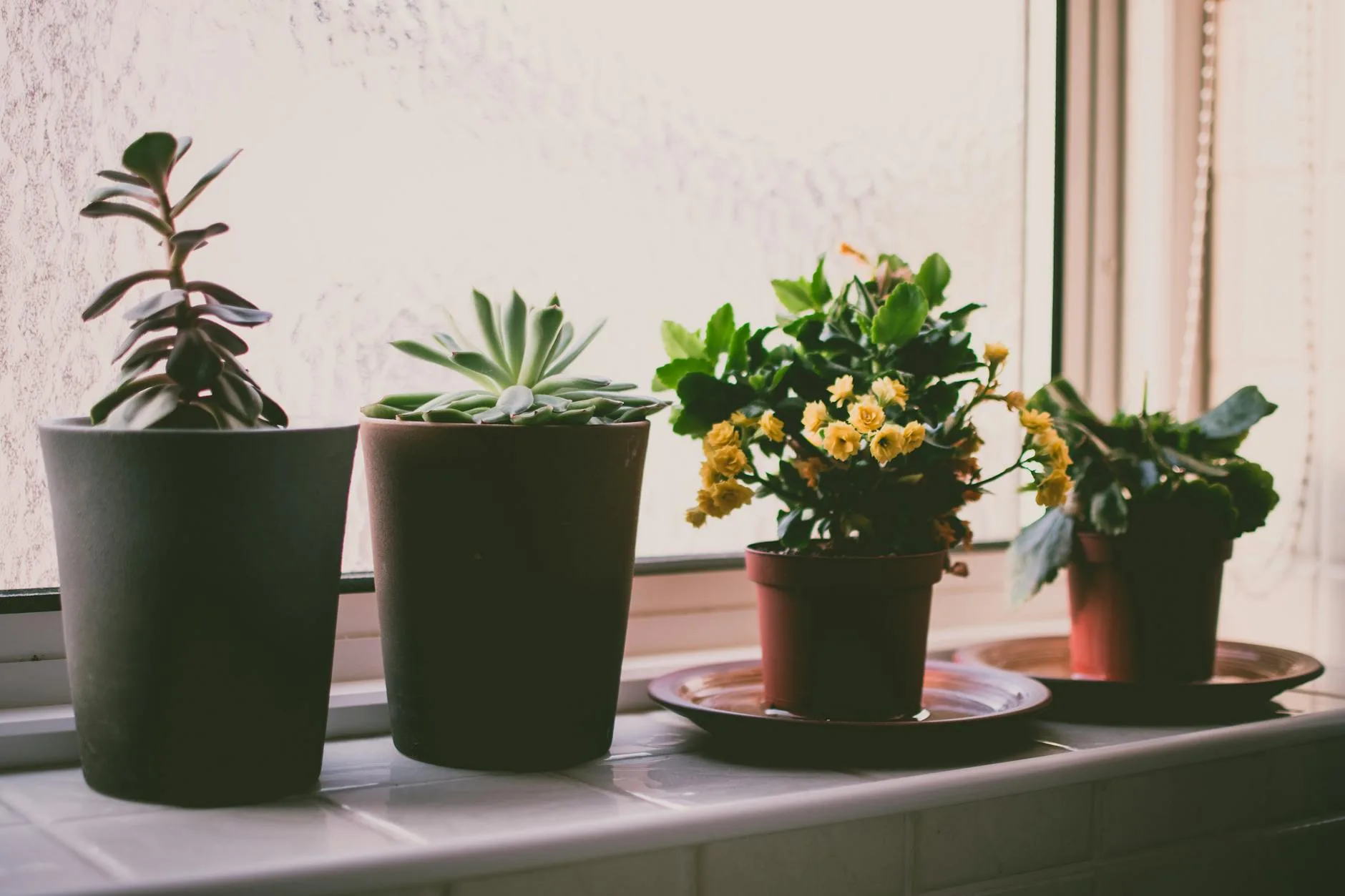
Plants release moisture through transpiration. A collection of leafy houseplants — peace lilies, Boston ferns, spider plants — can raise room humidity by a few percentage points. It is not enough to solve serious dryness, but it helps and makes the room look better. Our guide on maintaining the right humidity for houseplants covers which plants add the most moisture.
Bowl of Water on the Radiator
The old-fashioned method: place a heat-resistant bowl of water on top of or next to your radiator. As the water warms, it evaporates into the room. Cheap, zero maintenance, and surprisingly effective for a single room. Ceramic radiator humidifiers designed for this purpose cost about £5-10 and sit neatly on top of the radiator.
Shower with the Door Open
After a hot shower, leave the bathroom door open to let steam migrate into the rest of the house. Quick, free, and effective — though it does mean your bathroom mirror stays foggy for longer.
Our Humidifier Recommendations
Best Budget: Levoit LV600S (About £60-80)
A large-capacity (6 litre) ultrasonic humidifier with warm and cool mist options. The built-in humidity sensor automatically adjusts output to maintain your target level. App control via the Vesync app lets you schedule and monitor remotely. Whisper-quiet at night. The tank size means you only refill every 2-3 days in a bedroom. Available from Amazon UK.
Best for Bedrooms: Dyson Purifier Humidify+Cool (About £550-650)
Obscenely expensive, but it combines air purification, humidification, and cooling in one unit. The UV-C light kills bacteria in the water before it is released — no mouldy tank problems. The Dyson app monitors humidity and adjusts automatically. If budget is not a concern and you want a set-and-forget solution, nothing else matches it. Available from Dyson direct, John Lewis, and Currys.
Best for Babies: Vicks Mini Cool Mist Humidifier (About £25-30)
Small, affordable, and specifically designed for nurseries. Cool mist only (no burn risk), compatible with Vicks VapoPads for menthol soothing during colds. The 1.8-litre tank lasts a full night. The downside is that it has no humidity sensor — you need to monitor levels with a separate hygrometer. Available from Boots and Amazon UK.
Best Evaporative: Boneco W200 (About £150-180)
An evaporative humidifier that doubles as an air washer — it traps dust and pollen in the water. Self-regulating, so it cannot over-humidify. Quiet, effective, and no white dust problems (evaporative models do not disperse minerals). The running cost is higher than ultrasonic due to replacement filters, but the convenience and cleanliness make up for it. Available from Amazon UK and specialist retailers.
Frequently Asked Questions
Do UK homes really need humidifiers? Many do, but only during the heating season (October to March). Modern, well-insulated homes with central heating often drop below 30% relative humidity in winter — dry enough to cause health symptoms and damage wooden furnishings. Measure your home’s humidity with a hygrometer before buying. If it stays above 40%, you probably do not need one.
Can a humidifier cause damp or mould? Yes, if overused. Running a humidifier above 60% relative humidity creates conditions for mould growth and condensation. Always use a hygrometer to monitor levels and choose a humidifier with a built-in humidistat that shuts off at your target level. Most quality models have this feature.
Is it safe to use a humidifier in a baby’s room? Yes, provided you use a cool-mist humidifier (no burn risk), clean it weekly, and maintain humidity between 40-50%. The NHS and most health visitors recommend humidifiers for congested babies. Avoid placing it within reach of the cot, and never add essential oils unless the manufacturer specifically states it is safe to do so.
How often should I clean a humidifier? Empty and wipe the tank daily. Deep-clean with white vinegar or a dilute bleach solution at least once a week. Replace filters and wicks according to the manufacturer’s schedule — usually every 2-3 months. A dirty humidifier can spread mould and bacteria, defeating the purpose entirely.
Should I use tap water or distilled water in my humidifier? Distilled or demineralised water is best for ultrasonic humidifiers because it prevents the white mineral dust that tap water causes. Evaporative and steam humidifiers handle tap water without the dust problem. If you use tap water in an ultrasonic model, expect to wipe down nearby surfaces regularly.
If you are solving the same room problem, compare this with How to Choose the Right Humidifier Size for Your Room, Best Humidifiers 2026 UK: Ultrasonic, Evaporative & Steam.