You’re looking at air purifiers and every listing mentions HEPA filters, carbon filters, or both. The marketing makes them sound interchangeable — “removes 99.97% of particles and odours” — but they do completely different things. A HEPA filter catches physical particles. An activated carbon filter absorbs gases and smells. Confuse them and you’ll buy the wrong purifier for your problem, which means spending money on a machine that doesn’t fix what bothers you.
This guide explains exactly what each filter type does, what it catches, what it misses, and which one you need for your specific indoor air quality concern.
In This Article
- What HEPA Filters Do
- What Activated Carbon Filters Do
- The Key Difference: Particles vs Gases
- How HEPA Filters Work
- How Activated Carbon Filters Work
- What Each Filter Catches and Misses
- Filter Lifespan and Replacement Costs
- Do You Need HEPA, Carbon, or Both?
- HEPA Grades Explained
- Carbon Filter Quality: How to Tell the Difference
- Common Misconceptions
- Frequently Asked Questions
What HEPA Filters Do
HEPA stands for High Efficiency Particulate Air. A true HEPA filter captures at least 99.97% of airborne particles that are 0.3 microns in diameter — the hardest particle size to catch because of how particles behave in airflow at that scale.
In practical terms, a HEPA filter removes the tiny physical things floating in your air: dust, pollen, pet dander, mould spores, dust mite waste, bacteria, and some viruses (which often travel attached to larger droplets). If your air quality problem involves particles — and most UK household air quality problems do — a HEPA filter is what you need.
What 0.3 Microns Actually Means
A human hair is about 70 microns wide. A grain of pollen is 10-50 microns. Dust mite waste particles are about 1-10 microns. Bacteria range from 0.2 to 5 microns. At 0.3 microns, you’re catching things invisible to the naked eye. The reason 0.3 microns is the benchmark is that particles this size are the hardest to filter — they’re too small for direct interception but too large for diffusion-based capture to work efficiently. Larger and smaller particles are actually captured at even higher rates.
What Activated Carbon Filters Do
Activated carbon filters absorb gases, chemicals, and volatile organic compounds (VOCs) from the air through a process called adsorption. The carbon has been treated (activated) to create millions of microscopic pores, giving it a massive surface area relative to its volume — a single gram of activated carbon has a surface area of roughly 3,000 square metres.
These pores trap gas molecules as air passes through the filter. The filter absorbs cooking smells, cigarette smoke odour, paint fumes, formaldehyde from new furniture, cleaning product chemicals, and other gaseous pollutants that a HEPA filter cannot touch.
Adsorption vs Absorption
Adsorption means the gas molecules stick to the surface of the carbon. Absorption means something soaks into a material like a sponge. Carbon filters adsorb — the gases bond to the carbon’s pore surfaces rather than soaking into the material. This distinction matters because adsorption has a finite capacity — once the pores are full, the filter stops working.
The Key Difference: Particles vs Gases
This is the most important thing to understand: HEPA and carbon filters operate in completely different domains.
HEPA Catches Physical Stuff
- Dust and dust mite waste
- Pollen from trees, grass, and flowers
- Pet dander — the dead skin flakes that trigger allergies
- Mould spores — the reproductive particles that spread mould
- Bacteria — most species are large enough to be captured
- Some viruses — particularly those attached to larger respiratory droplets
- Smoke particles — the visible, solid component of smoke
Carbon Catches Chemical Stuff
- Cooking odours — the volatile compounds that make your house smell of last night’s curry
- VOCs — formaldehyde, benzene, toluene from furniture, paint, cleaning products
- Cigarette smoke odour — the chemical component, not the visible particles
- Pet odours — the gaseous compounds that cause the “dog smell”
- Chemical fumes — from cleaning products, air fresheners, nail polish
Neither Catches Everything
No single filter technology removes all indoor air pollutants. A HEPA filter won’t touch the curry smell. A carbon filter won’t catch dust. This is why quality air purifiers use both technologies together — a HEPA filter for particles and a carbon filter for gases and odours.
How HEPA Filters Work
HEPA filters use three mechanisms to capture particles, not just one.
Interception
Large particles travelling in the airstream collide directly with the filter fibres and stick. This is the most intuitive mechanism — the particle is too big to pass through the gap between fibres, so it gets caught. Works mainly on particles above 1 micron.
Impaction
Medium-sized particles can’t follow the airstream as it curves around fibres. Their inertia carries them into the fibre surface. Like a car that can’t make a sharp turn — the particle crashes into the obstacle. Works on particles between 0.3 and 1 micron.
Diffusion
The smallest particles (below 0.3 microns) move erratically due to Brownian motion — random collisions with air molecules. This random movement increases the chance that tiny particles will hit a fibre, even though they’re small enough to fit through the gaps. The slower the airflow, the more effective diffusion capture becomes.
Why 0.3 Microns Is the Hardest Size
At 0.3 microns, particles are too large for diffusion to work well but too small for impaction to be reliable. This is the “most penetrating particle size” (MPPS) — the size that escapes capture most often. HEPA certification at 99.97% efficiency at 0.3 microns means the filter catches particles of every other size at even higher rates.
How Activated Carbon Filters Work
The Activation Process
Ordinary carbon (charcoal) has limited surface area. Activation involves heating the carbon to extremely high temperatures (800-1,000°C) in the presence of gases that create millions of microscopic pores. This process can increase the surface area from about 10 square metres per gram to over 3,000 square metres per gram.
The Adsorption Process
As air passes through the carbon bed, gas molecules enter the pores and bond to the carbon surface through van der Waals forces — weak intermolecular attractions that hold the gas molecules in place. Different gases adsorb at different rates depending on their molecular weight and polarity. Heavier molecules (like VOCs) are adsorbed more readily than lighter ones (like carbon monoxide).
Saturation
Unlike HEPA filters, which can be used until physically clogged, carbon filters have a chemical saturation point. Once the pore surfaces are fully covered with adsorbed molecules, the filter stops working — and worse, in some conditions, a saturated carbon filter can release previously captured molecules back into the air (desorption). This is why carbon filter replacement schedules are more critical than HEPA replacement schedules.
What Each Filter Catches and Misses
HEPA Filter: Catches
- Dust and dust mite allergens ✅ (the primary allergy trigger in UK homes)
- Pollen ✅ (all common UK species — grass, birch, oak, nettle)
- Pet dander ✅ (from cats, dogs, and small mammals)
- Mould spores ✅ (Aspergillus, Cladosporium, and other UK species)
- Fine PM2.5 particles ✅ (traffic pollution, wood smoke, cooking particles)
- Bacteria ✅ (most species above 0.2 microns)
HEPA Filter: Misses
- Odours ❌ (smells are gas molecules, not particles)
- VOCs ❌ (formaldehyde, benzene — gaseous chemicals pass through)
- Carbon monoxide ❌ (gas molecule, too small and wrong state)
- Radon ❌ (noble gas, not filterable by mechanical means)
Carbon Filter: Catches
- VOCs ✅ (formaldehyde, benzene, toluene, xylene)
- Cooking odours ✅ (volatile organic compounds that create smells)
- Smoke chemicals ✅ (the gaseous component of tobacco and wood smoke)
- Chemical fumes ✅ (cleaning products, paints, adhesives)
- Some nitrogen dioxide ✅ (traffic-related indoor pollutant)
Carbon Filter: Misses
- Dust ❌ (physical particles pass through the carbon bed)
- Pollen ❌ (too large to enter pores, not a gas)
- Pet dander ❌ (physical flakes, not gaseous)
- Mould spores ❌ (physical organisms, not gases)
- Carbon monoxide ❌ (too light to be efficiently adsorbed by most carbon)
Filter Lifespan and Replacement Costs
HEPA Filters
A HEPA filter in a home air purifier typically lasts 6-12 months depending on the air quality in your home and how many hours per day the purifier runs. Heavily polluted environments (near busy roads, in smoky homes) reduce lifespan. Replacement HEPA filters cost £20-50 depending on the purifier model. Our guide to air purifier running costs covers the full ongoing expense breakdown.
The filter doesn’t stop working suddenly — performance degrades gradually as the filter loads with particles. Increased fan noise, reduced airflow, and visible discolouration are signs of a HEPA filter nearing end of life.
Carbon Filters
Carbon filters saturate faster than HEPA filters — typically every 3-6 months for standard carbon filters in air purifiers. Thin carbon pre-filters (the common type in budget purifiers) may last only 2-3 months in homes with cooking odours or smokers.
Replacement carbon filters cost £10-30 depending on the model. The weight of the carbon matters — heavier carbon filters contain more activated carbon, which means more adsorption capacity and longer life. A filter with 500g of carbon lasts roughly twice as long as one with 250g.
Combo Filters
Many purifiers use a combined HEPA and carbon filter in one unit. These are convenient but mean you replace both at the same time, even if one still has life left. Purifiers with separate HEPA and carbon filters let you replace each independently, which is more economical.
Do You Need HEPA, Carbon, or Both?
HEPA Only: Your Problems Are Physical
- Allergies — dust mite allergy, pollen allergy, pet allergy
- Asthma triggered by airborne particles
- Dust reduction in a dusty home
- Near a busy road where fine particulate pollution enters through windows
- Mould concerns — mould spores in a damp property
Carbon Only: Your Problems Are Chemical
- Cooking smells that linger for hours
- New furniture off-gassing — the chemical smell from new sofas, mattresses, or MDF furniture
- Paint or renovation fumes after decorating
- Tobacco smoke odour (though a HEPA filter for the particles is also recommended)
- Chemical sensitivities to cleaning products or air fresheners
Both: Most People
Most UK households benefit from both. Dust and cooking smells are both common complaints, and a purifier with combined HEPA and carbon filtration addresses both. If you’re buying a new purifier, choose one with both filter types unless you have a very specific, single-issue problem. Our guide to choosing an air purifier covers sizing and features in detail.
The Asthma and Lung UK charity recommends HEPA-filtered air purifiers for homes where occupants have asthma or respiratory conditions, noting that carbon filters provide additional benefit for chemical sensitivities.
HEPA Grades Explained
Not all HEPA filters are equal. The European standard (EN 1822) classifies HEPA filters into grades. The British Standards Institution oversees UK compliance with these filtration standards.
H13 (True HEPA)
Captures 99.95% of particles at 0.3 microns. This is the standard in quality home air purifiers and is more than sufficient for residential use. When a purifier says “True HEPA,” it should meet H13 or equivalent.
H14 (Medical Grade)
Captures 99.995% of particles at 0.3 microns. Used in hospitals, clean rooms, and laboratory settings. Overkill for home use, and the denser filter media requires more powerful (and louder) fans to push air through.
HEPA-Type and HEPA-Style: Warning
These terms are marketing language, not engineering standards. “HEPA-type” or “HEPA-style” filters do not meet the 99.97% efficiency threshold and may capture as little as 85-90% of particles. They look like HEPA filters but perform worse. Always look for “True HEPA” or “H13” on the specification.
Carbon Filter Quality: How to Tell the Difference
Weight Matters
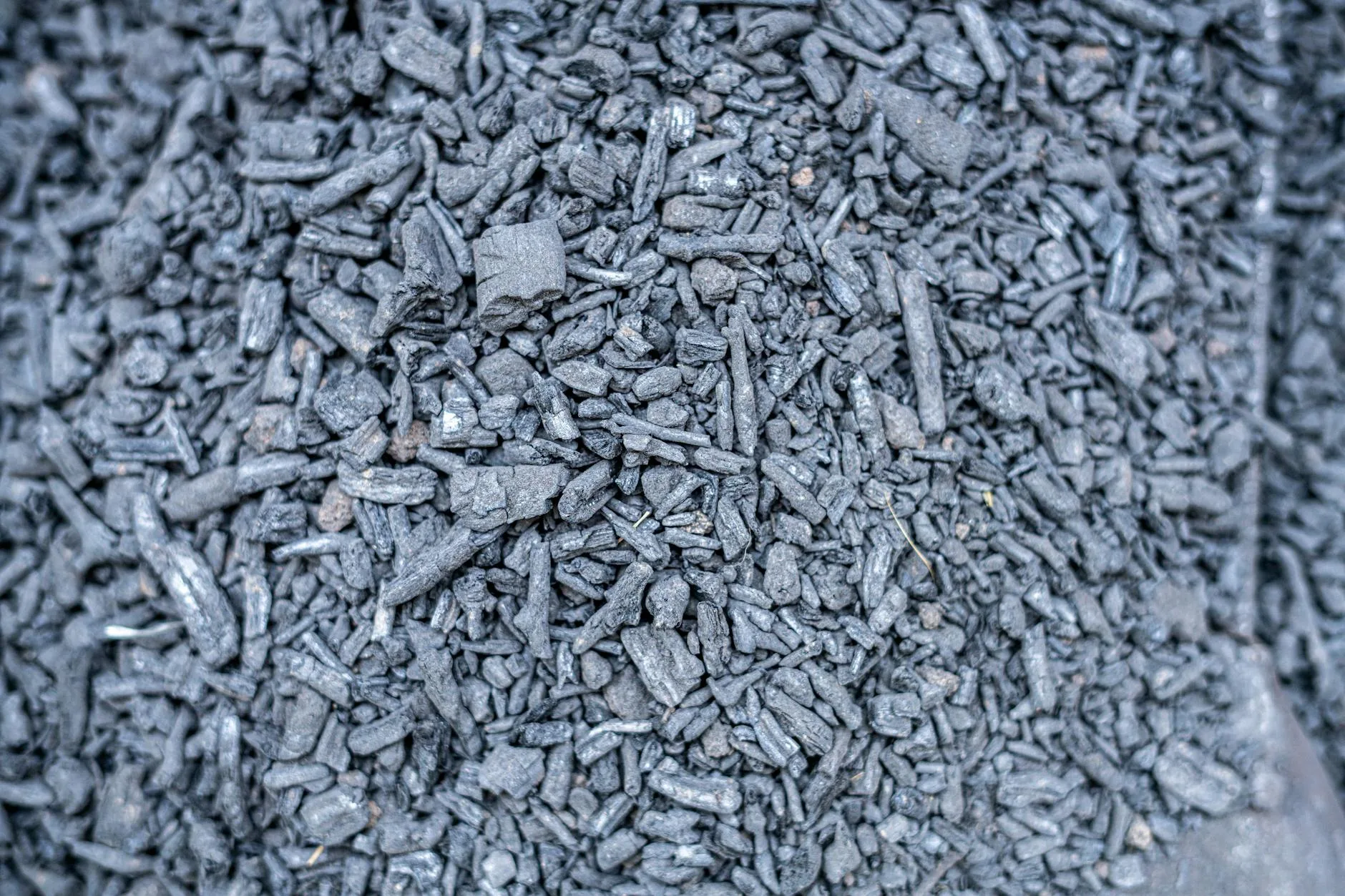
The weight of activated carbon in the filter directly correlates with performance and lifespan. Budget purifiers often include a thin sheet of carbon-impregnated fabric — sometimes called a “carbon pre-filter” — that weighs 20-50g. Premium purifiers use a dedicated carbon filter containing 200-1,000g of loose granular carbon. The difference in odour removal is substantial.
Granular vs Impregnated
Granular carbon (loose pellets or chunks packed in a filter housing) provides far more surface area than carbon-impregnated fabric. If odour removal is important to you, choose a purifier with a separate granular carbon filter, not just a carbon-coated pre-filter sheet.
Coconut Shell vs Coal-Based
Most consumer air purifier carbon filters use coconut shell activated carbon, which has smaller pores ideal for capturing VOCs common in homes. Coal-based carbon has larger pores better suited to industrial applications. For home use, coconut shell carbon is the right choice — and it’s also more environmentally sustainable.
Common Misconceptions
“HEPA filters remove odours”
They don’t. HEPA filters capture physical particles. The gaseous molecules that create smells pass straight through. If someone claims their HEPA-only purifier removes cooking smells, they’re either confused or their purifier has a carbon element they haven’t mentioned.
“Carbon filters remove dust”
They don’t. Carbon filters adsorb gases. Dust particles pass through the carbon bed without being captured. A purifier with only a carbon filter will not reduce dust levels in your home.
“Washable HEPA filters are just as good”
Most washable HEPA filters don’t meet true HEPA standards. Washing degrades the fine fibre structure that captures particles, reducing efficiency with each wash cycle. Replaceable HEPA filters consistently outperform washable ones. The savings on filter costs are offset by reduced air quality.
“A thicker carbon filter always lasts longer”
Not always. Thickness matters, but so does the quality and type of activated carbon. A thick filter packed loosely with low-grade carbon may underperform a thinner filter with densely packed high-quality coconut shell carbon. Weight and carbon type matter more than thickness alone.
“You only need to replace filters when they look dirty”
HEPA filters do show visible discolouration as they load with particles, but carbon filters show no visual change — they look identical whether fresh or fully saturated. Replace carbon filters on schedule, not on appearance. By the time you notice reduced odour performance, the filter has been underperforming for weeks.
If you are solving the same room problem, compare this with Carbon Filters Explained: What Do They Remove?, HEPA Filters Explained: What They Are and How They Work, Best Air Purifiers with Washable Filters 2026 UK, How to Change Air Purifier Filters: Frequency & Signs.
Frequently Asked Questions
Can a HEPA filter remove cigarette smoke?
A HEPA filter captures the visible smoke particles, but not the gaseous chemicals that cause the lingering smell. For cigarette smoke, you need both a HEPA filter (for particles) and a carbon filter (for the chemical odour). A purifier with both filter types is the most effective solution.
How often should I replace my HEPA filter?
Every 6-12 months for most home air purifiers, depending on usage and air quality. Running the purifier 24/7 in a dusty or polluted home means closer to 6 months. Occasional use in a clean home may stretch to 12 months. Follow the manufacturer’s recommendation and watch for increased fan noise or visible discolouration.
Do I need a carbon filter if I don’t have odour problems?
If your only concern is dust, pollen, or pet dander, a HEPA-only purifier is sufficient and often cheaper to run since you’re not replacing carbon filters. However, most homes produce some VOCs from furniture, cleaning products, and cooking, even if you don’t notice a specific smell. A carbon filter addresses these background chemicals.
What does “True HEPA” mean?
True HEPA means the filter meets the H13 standard, capturing 99.95% or more of particles at 0.3 microns. Beware of “HEPA-type” or “HEPA-style” labels, which indicate filters that don’t meet this standard and may capture fewer particles. Always look for “True HEPA” or “H13” in the specifications.
Can I use a HEPA filter and a carbon filter separately?
Some purifiers house HEPA and carbon filters separately, which lets you replace each on its own schedule. This is more economical than combo filters that force you to replace both at once. If you have a choice, separate filters give you more control over replacement timing and cost.