Your child has been coughing at night for a week. No cold, no fever, no obvious reason — just a dry, persistent cough that starts an hour after bedtime and disappears by morning. The GP says it’s probably “environmental.” You’ve washed the bedding, vacuumed the carpet, and opened the window, but nothing’s changed. The air quality in a child’s bedroom is easy to overlook because you can’t see the problem — but dust mites, moisture, VOCs from furniture, and stale CO2 from hours of breathing in a sealed room all contribute to exactly the kind of symptoms you’re seeing.
In This Article
- Why Children’s Bedrooms Have Worse Air Quality
- The Biggest Bedroom Air Quality Problems
- Ventilation: The Foundation
- Controlling Dust Mites
- Reducing VOCs in a Child’s Room
- Humidity and Mould Prevention
- Air Purifiers for Children’s Bedrooms
- Room Setup for Better Air Quality
- Seasonal Considerations
- Frequently Asked Questions
Why Children’s Bedrooms Have Worse Air Quality
Children spend more time in their bedrooms than any other room — 10-12 hours a day including sleep. That’s half their life in one small, often poorly ventilated space. Several factors combine to make bedroom air quality worse than the rest of the house.
The Sealed Room Problem
Parents close bedroom doors and windows at night for warmth, security, and noise. A child sleeping in a sealed 3m × 3m bedroom with the door and windows closed can deplete oxygen and elevate CO2 levels within a few hours. By morning, CO2 concentrations in a closed bedroom can reach 2,000-3,000 ppm — well above the 1,000 ppm threshold where headaches and poor concentration begin. The NICE guidelines on indoor air quality specifically highlight bedrooms as high-risk spaces for poor ventilation.
Smaller Room, Faster Deterioration
A child’s bedroom is typically the smallest bedroom in the house. Less air volume means pollutants concentrate faster. The same dust mite population in a large master bedroom creates a lower allergen concentration per cubic metre than in a box room.
Furnishing Density
Children’s rooms pack a lot into a small space — bed, mattress, carpet, curtains, cuddly toys, books, a wardrobe full of clothes. Every soft furnishing is a dust mite habitat and a potential VOC source. A minimalist adult bedroom with hard flooring and built-in wardrobes has fundamentally different air quality characteristics than a child’s room stuffed with textile surfaces.
The Biggest Bedroom Air Quality Problems
Dust Mites
The number one bedroom allergen. Dust mites live in mattresses, pillows, duvets, carpets, and soft toys, feeding on shed skin cells. They don’t bite — it’s their droppings that cause allergic reactions. A single mattress can contain 100,000-10,000,000 dust mites, and each mite produces about 20 droppings per day.
Symptoms: nighttime coughing, sneezing on waking, itchy eyes, worsening eczema, stuffy nose.
Volatile Organic Compounds (VOCs)
New furniture, fresh paint, synthetic carpets, scented plug-ins, and even some children’s toys release VOCs — organic chemicals that evaporate at room temperature. In a small, sealed bedroom, VOC levels accumulate overnight.
Common bedroom VOC sources:
- New mattress — polyurethane foam off-gasses for weeks to months after purchase
- MDF furniture — flatpack wardrobes, bookshelves, and bed frames release formaldehyde from the resin binding
- Carpet — new synthetic carpet releases styrene, toluene, and formaldehyde. The “new carpet smell” is literally chemicals evaporating
- Paint — even “low VOC” paint releases some compounds during the first few weeks
- Air fresheners and scented candles — continuous VOC emitters that many parents use in children’s rooms
Our guide to VOCs explained covers the science in more detail.
Mould Spores
Condensation on windows, behind furniture on external walls, and in poorly ventilated corners creates conditions for mould growth. Mould releases spores that trigger asthma attacks and allergic reactions. Children are more susceptible than adults because their immune systems are still developing.
Carbon Dioxide
A sleeping child produces about 5-8 litres of CO2 per hour. In a closed room, this accumulates. High CO2 doesn’t directly cause illness, but it correlates with poor sleep quality, morning grogginess, and difficulty concentrating — exactly the symptoms parents attribute to “not enough sleep” when the real issue is poor air quality.
Ventilation: The Foundation
Before buying any gadgets, fix the ventilation. Most bedroom air quality problems are fundamentally ventilation problems.
The Bare Minimum
Keep the bedroom door slightly ajar at night. This single change allows air exchange with the rest of the house, reducing CO2 build-up and moisture accumulation. If security or noise is a concern, even a 5cm gap makes a measurable difference.
Trickle Vents
Check whether the bedroom windows have trickle vents — small adjustable slots in the window frame. Open them. They provide continuous background ventilation without creating a draught or security risk. Many parents seal them shut without realising their purpose. Our guide to improving air quality in a rented flat covers trickle vents in detail.
Morning Flush
Open the bedroom window for 10-15 minutes every morning. This replaces the stale overnight air with fresh air and removes accumulated moisture and CO2. Do this before making the bed — leaving the duvet pulled back for 20 minutes lets moisture from overnight sweating evaporate rather than being trapped.
Cross-Ventilation
If possible, open a window in another room at the same time to create a through-draught. Five minutes of cross-ventilation is more effective than an hour with one window open because the air actually moves through the space.
What About Cold Weather?
In winter, opening windows feels counterproductive. But 10 minutes of cold air exchange is far better than 8 hours of sealed stale air. The room temperature drops temporarily but recovers quickly once you close the window and the radiator kicks in. The energy cost is minimal compared to the health benefit.
Controlling Dust Mites
You can’t eliminate dust mites, but you can reduce their numbers to levels that don’t trigger symptoms.
Bedding
- Wash sheets and pillowcases weekly at 60°C. This temperature kills dust mites. 40°C does not — the mites survive a warm wash perfectly happily
- Wash duvets every 2-3 months at 60°C. Synthetic duvets handle this well. Down duvets may need a larger drum or a laundrette
- Use anti-allergy encasement covers on the mattress and pillows — zippered covers that create a physical barrier between the mites inside and the child sleeping on top. About £15-30 for a mattress cover from specialist retailers. These are more effective than any “hypoallergenic” duvet filling
Soft Toys
Every child has 15 cuddly toys on the bed. Every one of them is a dust mite habitat:
- Limit bed toys to 1-2 favourites during sleep. Store the rest on a shelf or in a box
- Wash soft toys monthly at 60°C if the label allows
- Freeze what can’t be washed — 24 hours in a plastic bag in the freezer kills mites. Then vacuum the toy to remove the dead mites and droppings
Flooring
Carpet harbours vastly more dust mites than hard flooring. If your child has significant allergy symptoms:
- Replace carpet with hard flooring — laminate, vinyl, or engineered wood. This is the most effective single change for dust mite allergies
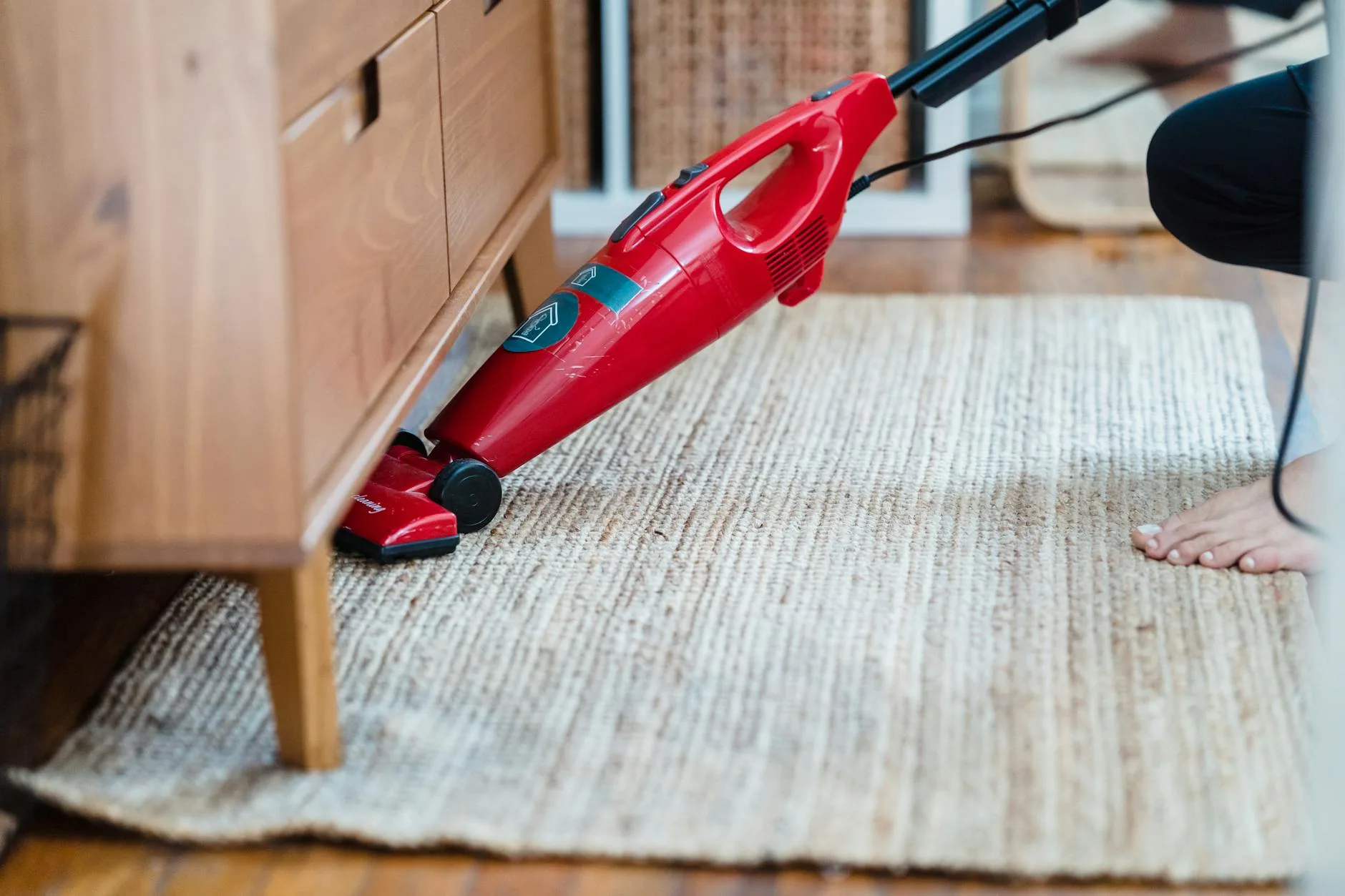
- If you can’t replace carpet, vacuum twice weekly with a HEPA-filter vacuum. Standard vacuums blow fine particles back into the air. A HEPA vacuum traps particles down to 0.3 microns
Soft Furnishings
Heavy curtains, upholstered headboards, and fabric blinds all harbour dust mites. For allergic children, consider:
- Roller blinds instead of curtains — easier to wipe clean
- Leather or wipeable headboards instead of fabric
- Minimal cushions and throws — each one is another mite habitat
Reducing VOCs in a Child’s Room
New Furniture Off-Gassing
If you’ve just furnished a child’s room, VOC levels will be elevated for weeks:
- Ventilate aggressively for the first 2-4 weeks — leave windows open as much as practical during the day
- Assemble new furniture outside or in a garage if possible, then let it air for a few days before bringing it into the bedroom
- Choose solid wood over MDF where budget allows — solid wood releases far fewer VOCs. IKEA’s solid pine ranges (TARVA, HEMNES) are reasonably priced
Eliminate Unnecessary Chemical Sources
- Remove plug-in air fresheners — these release continuous streams of VOCs into the room. A clean, ventilated room doesn’t need artificial fragrance
- Switch to fragrance-free cleaning products for the child’s room
- Avoid scented candles in bedrooms — they release particulate matter and VOCs
- Choose low-VOC paint for redecorating — brands like Earthborn, Little Greene, and Farrow & Ball offer low or zero VOC options
Activated Carbon
An air purifier with an activated carbon filter absorbs VOCs from the air. For rooms with new furniture or fresh paint, running a carbon-filter purifier for the first few weeks makes a noticeable difference to the “chemical smell” and the actual VOC concentration.
Humidity and Mould Prevention
Target Range
Keep bedroom humidity between 40-60%. Below 40% causes dry throats, nosebleeds, and cracked lips. Above 60% encourages dust mites and mould growth. A hygrometer (about £8-12 from Amazon UK) tells you exactly where you stand. Our guide to measuring humidity explains how to use one properly.
Winter Dryness
Central heating in winter can drop bedroom humidity below 30%, causing the dry nighttime cough that sends parents to the GP. A bedroom humidifier set to 45-50% solves this:
- Cool mist humidifiers are safer for children’s rooms — no hot water to spill
- Clean the humidifier weekly — stagnant water in the tank grows bacteria and mould that get aerosolised into the room
- Use distilled or filtered water to prevent mineral dust (the white powder that settles on surfaces around ultrasonic humidifiers)
Summer Moisture
In summer, open windows and childhood activities (baths, wet hair, damp towels on beds) can push humidity above 60%. A small dehumidifier or simply ensuring good ventilation prevents moisture problems.
Behind Furniture
Check behind wardrobes and chests of drawers on external walls. Cold external walls cause condensation on the warm indoor side, especially behind furniture that blocks airflow. Leave a 10cm gap between large furniture and external walls.
Air Purifiers for Children’s Bedrooms
When They Help
An air purifier is worth considering if your child has:
- Allergies or asthma triggered by dust, pollen, or pet dander
- A room with new furniture off-gassing VOCs
- No ability to ventilate properly (ground floor security, street noise, pollution)
- Persistent nighttime symptoms despite good cleaning and ventilation habits
What to Buy
For a child’s bedroom (typically 8-15m²), you don’t need a large unit:
- Levoit Core 200S — about £60-80 from Amazon UK. Covers 17m², quiet on low (24dB), true HEPA H13 filter, compact enough for a bedside table. The best value option for a child’s room
- Blueair Blue Pure 411i — about £100. Covers 15m², very quiet, washable pre-filter, stylish design
- Dyson Pure Cool Me — about £250. Personal purifier designed for bedside use, HEPA + carbon filter, precise airflow direction. Premium but excellent
Placement
- On a bedside table or low shelf — not on the floor behind furniture where airflow is restricted
- Away from the wall — leave 30cm clearance for the air intake
- Run on low overnight — modern purifiers on the lowest setting are quieter than a whisper (under 25dB). Most children sleep through it without any issue
Our guide to HEPA filters explained covers what the filter grades mean.
Room Setup for Better Air Quality
The Ideal Child’s Bedroom for Air Quality
- Hard flooring with a washable rug (shake it outside weekly)
- Minimal soft furnishings — roller blinds, wipeable surfaces where possible
- Anti-allergy encasement covers on mattress and pillows
- 1-2 soft toys on the bed maximum, washed monthly
- Door slightly ajar at night for ventilation
- Trickle vents open on windows
- No plug-in air fresheners or scented products
- A hygrometer to monitor humidity
- An air purifier if allergies or asthma are present
Quick Wins (Do Today)
- Open trickle vents if the windows have them
- Leave the bedroom door ajar at night
- Remove plug-in air fresheners from the room
- Pull the duvet back for 20 minutes each morning before making the bed
- Move furniture away from external walls by 10cm
- Reduce bed toys to 1-2 favourites
These six changes cost nothing and make a measurable difference within days.
Seasonal Considerations
Spring (Pollen Season)
If your child has hay fever, bedroom air quality management shifts:
- Keep windows closed during high pollen hours (early morning and late afternoon)
- Ventilate midday when pollen counts are lower
- Shower and change clothes before bed to avoid bringing pollen into the bedroom
- Run the air purifier — HEPA filters catch pollen particles with ease
- Wash pillowcases every 2-3 days during peak pollen season
Summer (Heat and Humidity)
- Open windows at night when it’s cooler (if safe and quiet enough)
- Use a fan for air circulation rather than sealing the room with air conditioning
- Monitor humidity — summer humidity can encourage mould if ventilation is poor
- Light bedding — overheating causes sweating which raises humidity
Autumn and Winter (Sealed Rooms and Central Heating)
- Morning window opening is most important now — the sealed overnight hours are longest
- Monitor humidity — central heating can dry the air below 30%
- Consider a humidifier if your child develops a dry cough, nosebleeds, or cracked lips
- Check for condensation on windows every morning — persistent condensation indicates a ventilation problem
For safe room temperatures across seasons, our guide to room temperature for baby sleep covers recommendations (applicable to older children too).
Frequently Asked Questions
Is it safe to run an air purifier in a child’s bedroom overnight? Yes. Modern HEPA air purifiers produce no harmful byproducts — they simply filter particles from the air. On the lowest setting, noise levels are typically under 25dB, which is quieter than a whisper. Avoid ionisers and ozone-generating purifiers, which produce trace amounts of ozone. Stick to passive HEPA filtration.
My child’s bedroom has mould behind the wardrobe — whose responsibility is it? If you own the property, it’s yours. If you rent, report it to your landlord in writing with photos. Structural damp causing mould is the landlord’s responsibility under the Homes (Fitness for Human Habitation) Act 2018. While waiting for a fix, move the wardrobe away from the wall, clean the mould with a mould spray while wearing a mask, and improve ventilation.
Do houseplants improve air quality in a child’s bedroom? The air-cleaning effect of houseplants is minimal in real-world conditions — you’d need hundreds of plants to match a small air purifier. However, plants do slightly increase humidity through transpiration, which helps in dry, centrally heated rooms during winter. A spider plant or snake plant on a high shelf (out of reach) does no harm and adds a small benefit.
Should I keep the bedroom window open at night? If it’s safe (not ground floor, not noisy, not freezing), a slightly open window provides excellent overnight ventilation. If a fully open window isn’t practical, a trickle vent or leaving the bedroom door ajar provides partial ventilation. Any fresh air exchange is better than a fully sealed room.
How do I know if my child’s bedroom air quality is actually bad? A CO2 monitor (about £30-50) gives you an objective number — above 1,000 ppm indicates poor ventilation. A hygrometer (£8-12) tells you if humidity is in the healthy 40-60% range. If your child consistently wakes with a stuffy nose, dry cough, or headache that clears within an hour of getting up, the bedroom air is likely the cause.
If you are solving the same room problem, compare this with How to Improve Indoor Air Quality: The Complete UK Guide, Air Purifier Noise Levels: How Loud Is Too Loud for Sleep?.