You bought a beautiful monstera from the garden centre, brought it home in its flimsy plastic nursery pot, and stuck it on your windowsill where it has sat for eight months looking increasingly out of place. The plant is thriving but the presentation is terrible — like serving dinner on a paper plate. The right pot does more than look good, though. Material, drainage, and size all affect whether your plant grows or slowly drowns in soggy compost.
In This Article
- Why Pot Choice Matters for Plant Health
- Ceramic Pots: The Classic Choice
- Terracotta Pots: Breathable and Traditional
- Modern Materials: Concrete, Fibreglass and Resin
- Self-Watering Pots: Do They Work
- Our Top Picks for 2026
- Size Guide: Matching Pot to Plant
- Drainage: The Non-Negotiable Feature
- Styling Tips for Indoor Plant Displays
- Frequently Asked Questions
Why Pot Choice Matters for Plant Health
A pot is not just a decorative container. It is your plant’s entire living environment below the soil line — controlling moisture levels, root temperature, airflow, and drainage. Get it wrong and you create conditions that slowly kill even resilient houseplants.
Root Rot Is the Number One Killer
Overwatering combined with poor drainage kills more indoor plants than anything else. A pot without drainage holes, or a glazed pot that holds moisture against roots for days, creates waterlogged conditions where fungal pathogens thrive. Your plant yellows, wilts, and dies — not from lack of water but from root suffocation.
Temperature and Airflow
Terracotta breathes. Glazed ceramic does not. Metal conducts heat rapidly. Each material creates different conditions around the root zone. Plants like orchids and succulents need airflow around their roots — terracotta or unglazed ceramic suits them. Tropical plants that prefer consistent moisture do better in glazed pots that retain water longer.
Understanding how watering interacts with pot material is the single most important factor in keeping indoor plants alive long-term.
Ceramic Pots: The Classic Choice
Glazed ceramic is the most popular indoor plant pot material in the UK — available everywhere from Ikea to independent ceramicists, in every colour and style imaginable.
Pros
- Aesthetic range — thousands of designs from minimalist white to hand-painted patterns
- Weight and stability — heavy enough to support tall plants without toppling
- Moisture retention — glazed surfaces hold moisture longer, reducing watering frequency
- Easy to clean — wipe down, no mineral staining on the outside surface
Cons
- No breathability — glaze prevents air exchange through pot walls, roots rely entirely on drainage and soil aeration
- Breakable — one drop on a tiled floor and it shatters
- Weight — moving large glazed pots is genuinely difficult once filled with soil
- Drainage varies — many decorative ceramic pots have no drainage holes (cache pot use only)
Best For
Tropical plants that prefer consistent moisture: peace lilies, calatheas, pothos, philodendrons. The sealed surface keeps humidity around roots between waterings — exactly what these plants want.
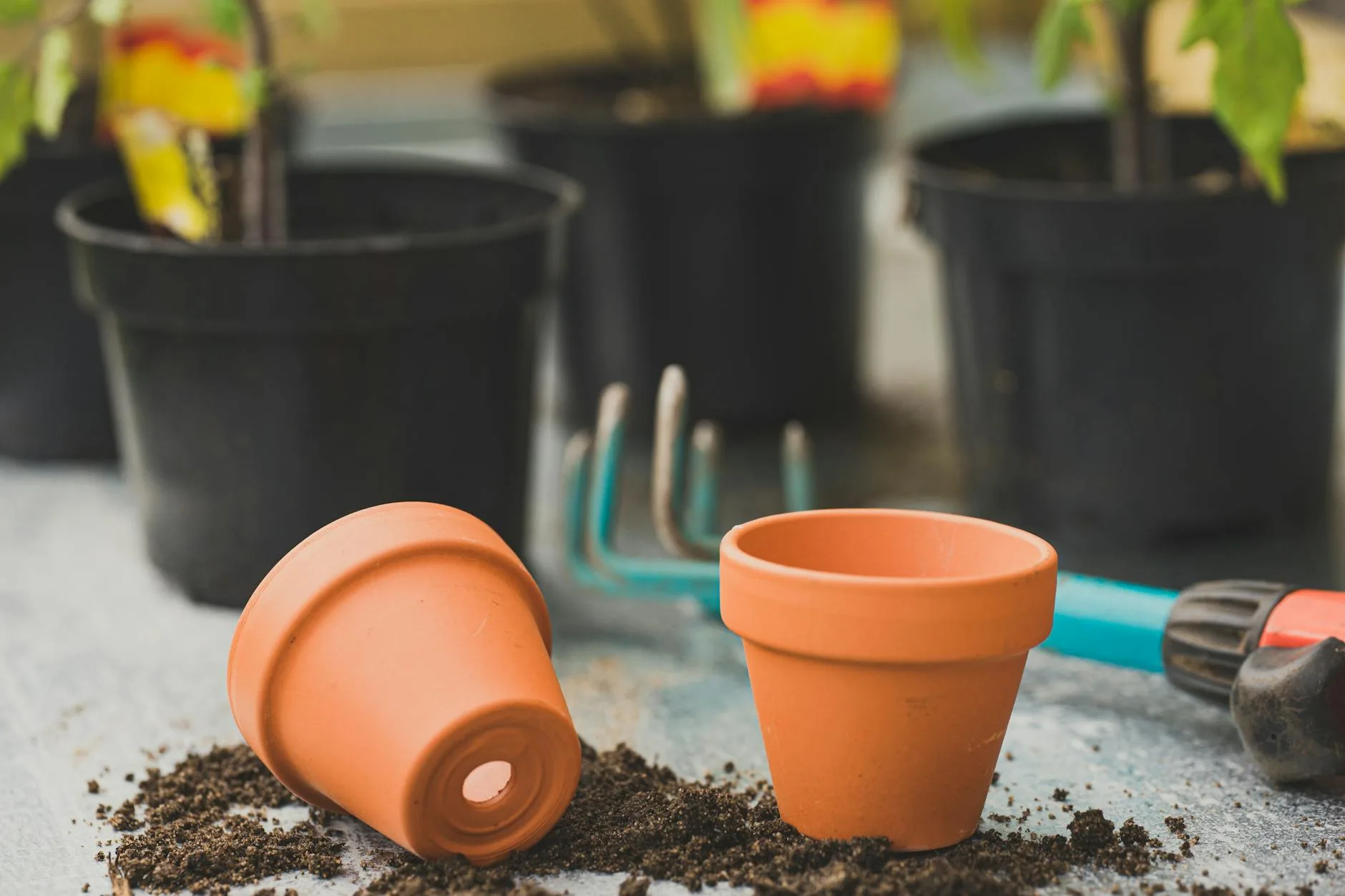
Terracotta Pots: Breathable and Traditional
The classic orange clay pot that gardeners have used for centuries. Unglazed terracotta is porous — water and air pass through the walls, creating drier conditions around roots.
Why Terracotta Works Differently
The porosity means water evaporates through the pot walls as well as the soil surface. This pulls fresh air into the soil as moisture leaves — actively aerating the root zone. For plants prone to root rot (succulents, cacti, herbs, Mediterranean plants), this is perfect. For moisture-loving tropicals, it means watering twice as often.
The White Mineral Crust
After a few months, terracotta pots develop white crystalline deposits on the outside. This is mineral salt from your tap water wicking through the clay and evaporating on the surface. It is harmless but some people dislike the appearance. Scrub it off with vinegar and a brush, or embrace it as patina.
Size and Weight
Terracotta is heavy, especially in larger sizes. A 30cm terracotta pot filled with soil weighs 8-12kg — not something you casually move around. Factor this in if you like rearranging your plant displays seasonally.
Best For
Succulents, cacti, aloe vera, snake plants, ZZ plants, herbs — anything that prefers to dry out between waterings. Also excellent for over-waterers who cannot resist reaching for the watering can too often.
Modern Materials: Concrete, Fibreglass and Resin
Concrete and Cement
Brutalist chic — heavy, textured, and increasingly popular in contemporary interiors. Genuine concrete pots are extremely heavy but last forever. Lightweight alternatives use a concrete and fibreglass blend that looks identical but weighs 60% less.
- Pros: stunning industrial aesthetic, incredible durability, retains moisture well
- Cons: genuine concrete is extremely heavy, can leach lime into soil (affects acid-loving plants), limited colour options
- Price: £15-50 for decorative sizes, £50-150 for large floor planters
Fibreglass and GRP
Lightweight alternatives that mimic stone, concrete, or ceramic. Used extensively for large planters where weight matters (balconies with load limits, shelving, hanging displays). Modern fibreglass pots are surprisingly convincing — you cannot tell from photos that they are not stone.
Resin and Recycled Plastic
Budget-friendly and lightweight. The better ones (Elho, Lechuza) look smart and come in good colours. The worse ones look like what they are — cheap plastic. Resin pots retain moisture well and never break, making them practical for homes with children or pets who knock things over.
Self-Watering Pots: Do They Work
Self-watering pots have a built-in reservoir that wicks moisture up into the soil through capillary action. You fill the reservoir every 1-2 weeks and the plant draws water as needed — in theory eliminating both overwatering and underwatering.
When They Work Well
- Consistent moisture lovers — peace lilies, ferns, calatheas, and herbs thrive because the soil stays evenly moist without waterlogging
- Frequent travellers — a full reservoir lasts 1-3 weeks depending on plant size and temperature
- Office plants — less maintenance means less forgotten, dead plants on desks
When They Fail
- Succulents and cacti — constant moisture rots them. Never use self-watering pots for drought-lovers.
- Large plants in small reservoirs — a thirsty monstera empties a small reservoir in days during summer, defeating the low-maintenance purpose
- Winter — reduced water uptake means the reservoir stays full and the soil stays too wet for longer than the plant wants
The best self-watering system in the UK market is the Lechuza range — German-engineered with proper water level indicators and appropriately sized reservoirs. Not cheap (£25-80) but they deliver on the promise.
Our Top Picks for 2026
Best Ceramic: West Elm Bishop Planter (from £35)
Clean cylindrical shape in matte white, charcoal, or sage green. Drainage hole with matching saucer included — surprisingly rare at this price point. Available in 15cm, 20cm, and 30cm diameters. The quality of the glaze and the weight feel premium without the premium price of artisan ceramicists.
Best Terracotta: Whitefurze Traditional Clay Pot (from £4)
Nothing fancy — classic Italian-made terracotta in standard sizes from 9cm to 31cm. Available at most garden centres and online. The clay quality is consistent (even thickness, proper drainage hole, smooth rim) and the price makes it practical to buy multiples for a cohesive display.
Best Modern: Ivyline Cement Effect Pot (from £18)
Lightweight fibrecite (fibreglass-cement blend) that looks exactly like raw concrete but weighs a quarter as much. Matte grey finish, clean lines, drainage hole. Available in sizes up to 40cm diameter for floor plants. Stylish enough for living rooms without the back injury of genuine concrete.
Best Self-Watering: Lechuza Classico LS (from £35)
The gold standard for self-watering. Built-in reservoir with water level indicator, removable inner liner for easy repotting, and a range of colours. The system delivers — we have had a peace lily in one for 18 months with zero overwatering issues.
Best Budget: Elho Vibes Fold Round (from £6)
Recycled plastic in surprisingly sophisticated colours (delicate pink, sage green, sorbet peach). Lightweight, unbreakable, and includes a matching saucer. No drainage hole (cache pot use — keep the nursery pot inside) but the price makes it the obvious choice for students, renters, or anyone building a collection without spending £30 per pot.
Size Guide: Matching Pot to Plant
The Repotting Rule
When repotting, move to a pot 2-4cm larger in diameter than the current one. Jumping from a 12cm pot to a 25cm pot seems efficient but creates problems — the excess soil stays wet because roots cannot absorb moisture fast enough, leading to root rot.
Signs You Need a Bigger Pot
- Roots growing through drainage holes — the clearest signal
- Water runs straight through — roots have displaced most of the soil
- Toppling over — the plant is too heavy for the pot base
- Growth has stopped — rootbound plants stall even in growing season
When Bigger Is Not Better
Snake plants, ZZ plants, and succulents prefer being slightly rootbound. Pothos and philodendrons produce more foliage when roots are snug. Not every plant needs the biggest pot you can find — some perform better when gently restricted.
Drainage: The Non-Negotiable Feature
Why Every Pot Needs Drainage
Excess water must leave the pot. Without drainage, water pools at the bottom, displaces oxygen from the soil, and anaerobic bacteria flourish — rotting roots within weeks. No amount of “drainage layers” (gravel, broken crockery) at the bottom compensates for the lack of an actual hole.
The Cache Pot Compromise
Many beautiful decorative pots have no drainage holes. The solution: keep your plant in a plastic nursery pot (which always has drainage) inside the decorative pot. Water the plant, let excess drain, tip out any water sitting in the cache pot after 30 minutes. This gives you aesthetic freedom without sacrificing plant health.
Drilling Your Own Holes
Ceramic and terracotta pots can be drilled using a diamond or masonry bit. Go slowly, use water to cool the bit, and accept that 1 in 5 pots will crack. It works but is not risk-free — especially on glazed ceramics where the glaze chips around the entry point.
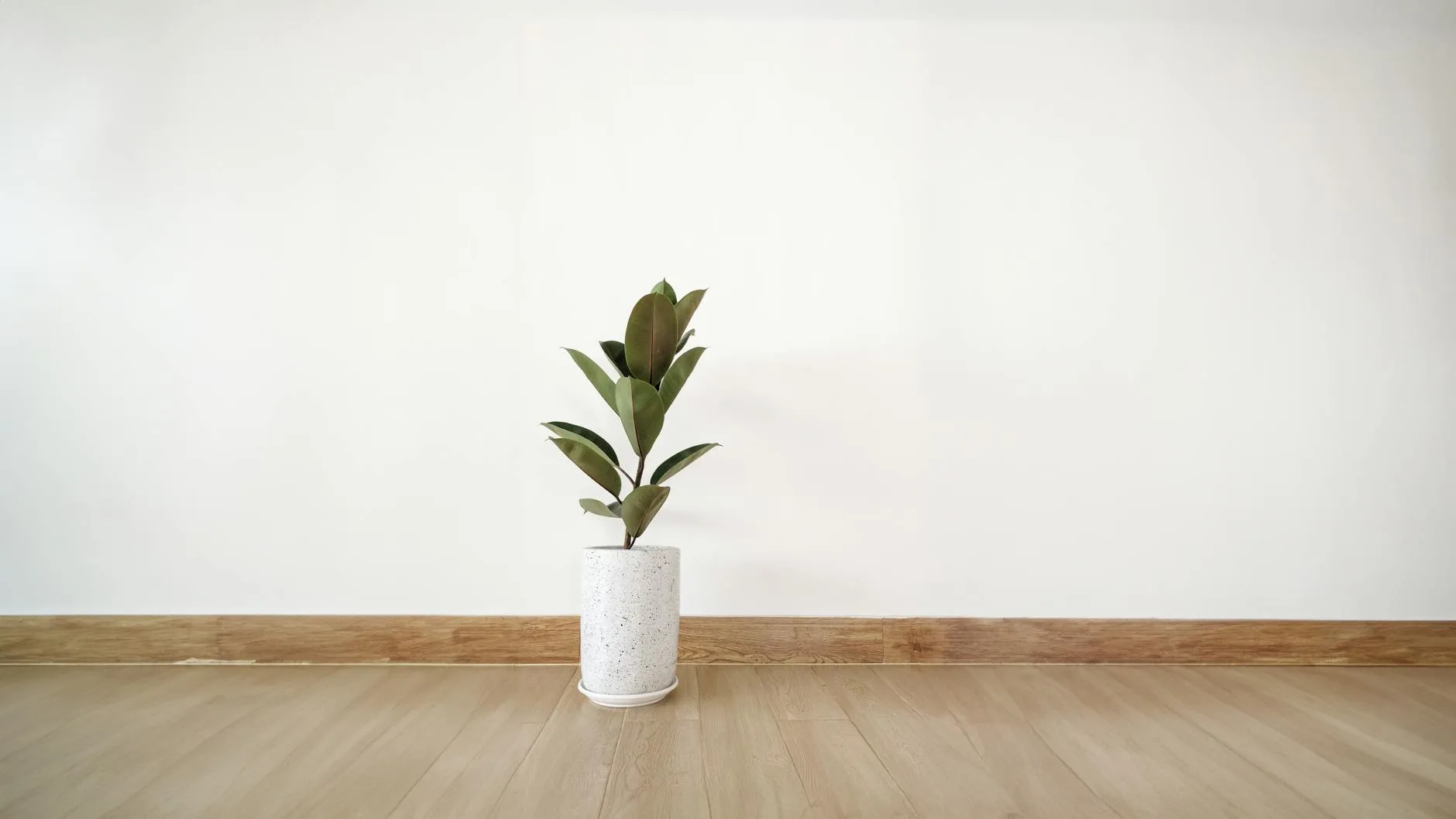
Styling Tips for Indoor Plant Displays
Odd Numbers
Group plants in threes or fives. Even numbers look static; odd numbers create natural, dynamic compositions. Vary heights within each group — a tall snake plant, medium pothos, and small succulent reads better than three plants the same size.
Material Consistency
Pick one or two pot materials and stick to them within a display area. All terracotta, or all matte white ceramic, or a mix of two tones from the same family. Mixing plastic, terracotta, glazed ceramic, and concrete in one group looks chaotic. The RHS houseplant guidance confirms that considered grouping improves both aesthetics and microclimate for the plants.
Elevation and Layers
Use plant stands, wall shelves, hanging planters, and floor positions to create depth. A row of pots at the same height on a windowsill is functional but boring. Adding a macramé hanger above, a stand below, and trailing plants at different levels transforms a flat display into an indoor jungle.
If you want plants without choosing every pot yourself, compare this with Best Plant Subscription Boxes UK 2026: Monthly Deliveries Reviewed.
If you are solving the same room problem, compare this with How to Care for Indoor Plants: A Beginner’s Guide, Best Indoor Herb Garden Kits 2026 UK, Common Indoor Air Pollutants and Where They Come From, Best CO2 Monitors 2026 UK: Track Indoor Air Quality.
Frequently Asked Questions
Should I always keep the nursery pot inside a decorative pot? It is the safest approach for drainage, and makes repotting or moving plants much easier. The only downside is aesthetic — nursery pots are ugly, so the decorative pot needs to be tall enough to hide the inner pot rim. Some people prefer to pot directly into decorative pots with drainage holes for a cleaner look.
Does pot colour affect plant health? Outdoors, yes — dark pots absorb more heat, potentially cooking roots in summer sun. Indoors, the effect is negligible because temperatures are controlled. Choose whatever colour you like without worrying about plant health implications for indoor use.
How often should I replace pots? Ceramic and terracotta last indefinitely unless broken. Replace only when a plant outgrows its pot (every 1-3 years depending on growth rate) or when you spot cracks that could cause leaks. Plastic pots become brittle after 3-5 years of UV exposure near windows and should be replaced when they crack.
Are expensive pots worth it? For durability and aesthetics, mid-range pots (£15-40) offer the best value. Below £10, you are typically getting thin material or no drainage. Above £50, you are paying for artisan craftsmanship or designer brands — beautiful but not functionally better than mid-range options for plant health.
Can I use outdoor pots indoors? Yes, as long as they have drainage holes and a saucer to catch water. Outdoor pots are often heavier and less refined in finish but functionally identical. Frost-proof outdoor pots (which tend to be denser) actually work well indoors because the extra weight provides stability for tall plants.